

Vulture Action and Dancing Little Bustards
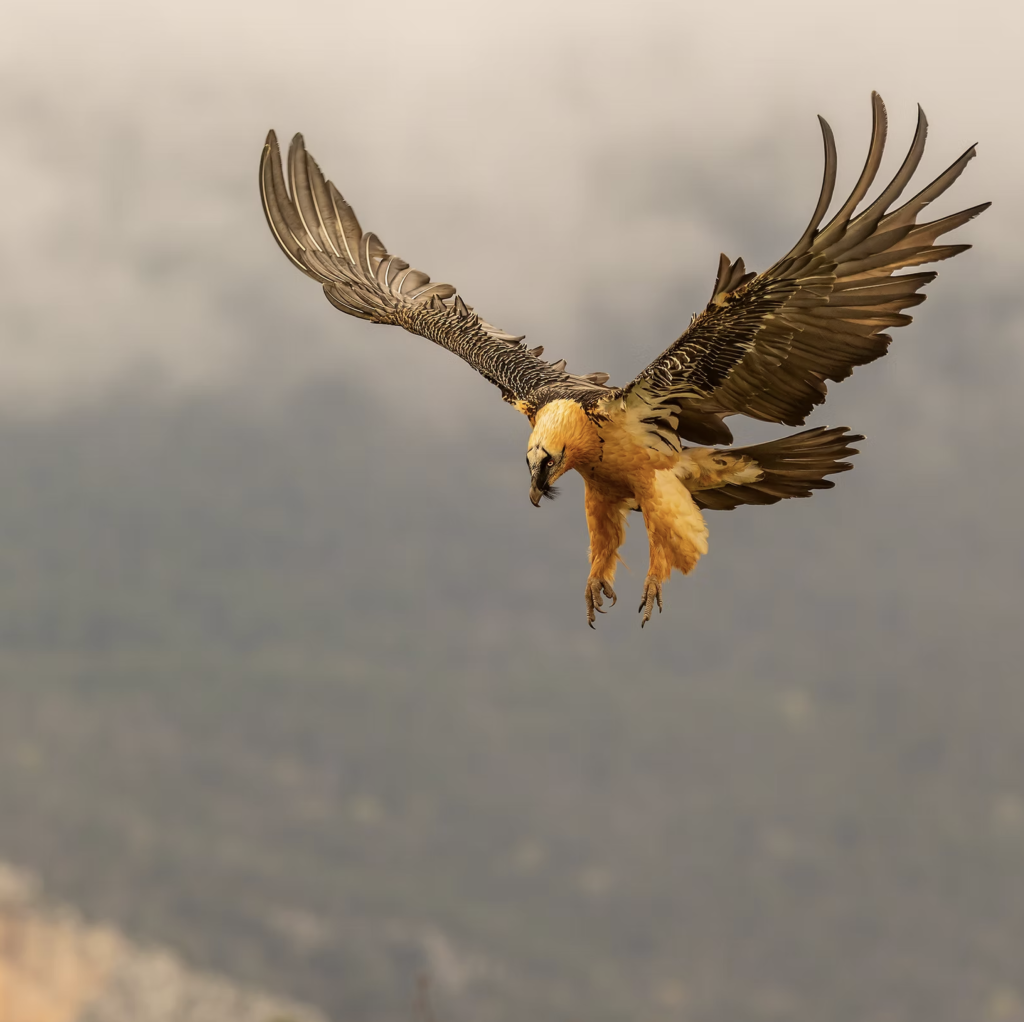
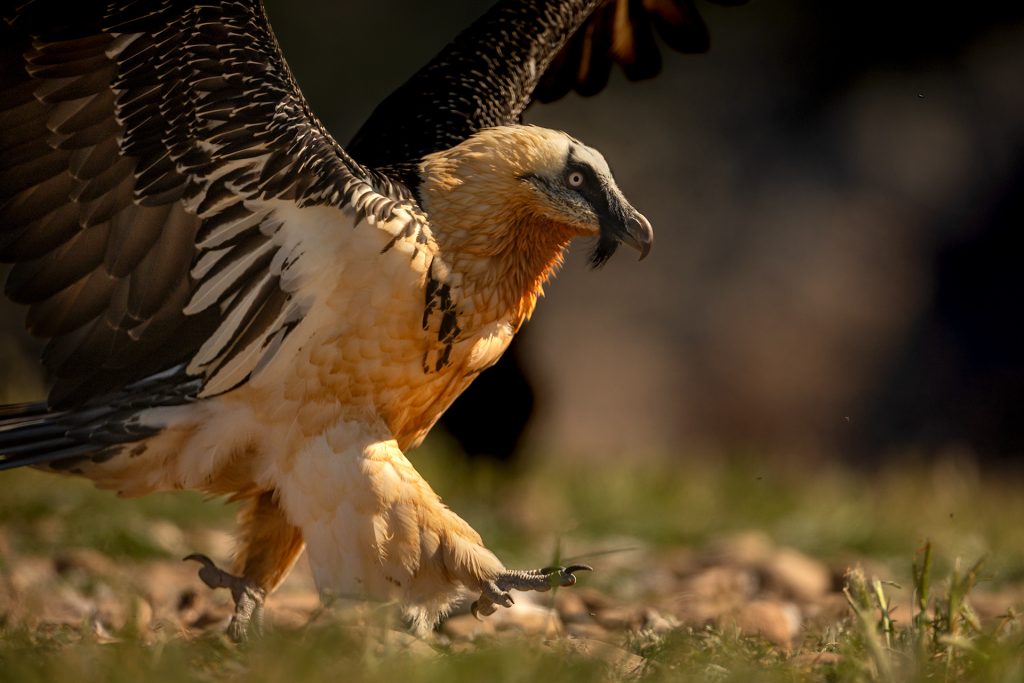
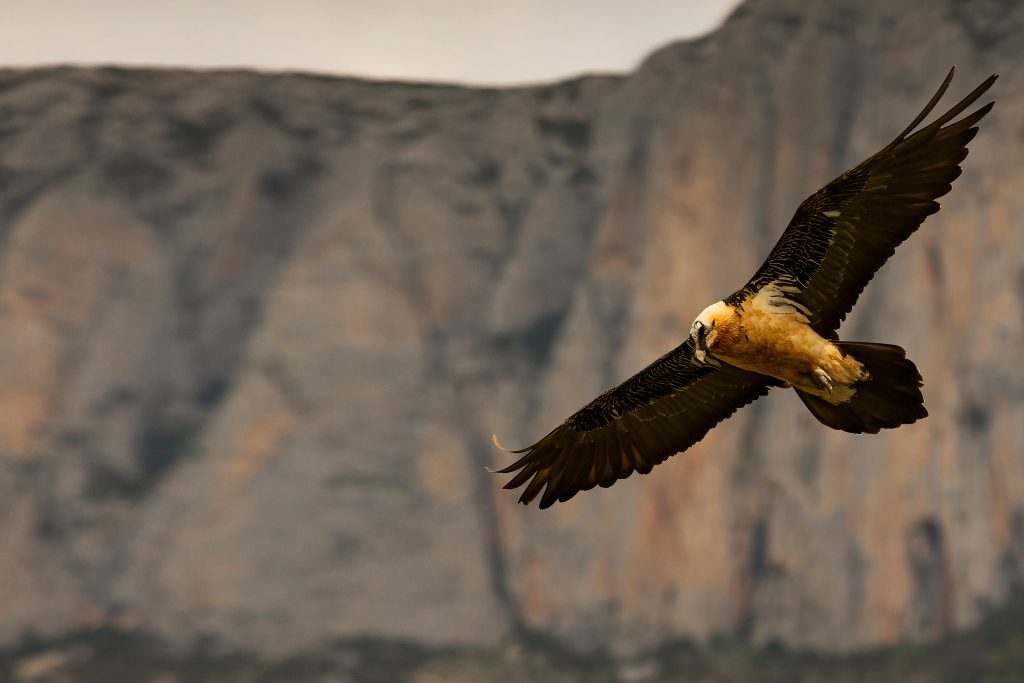
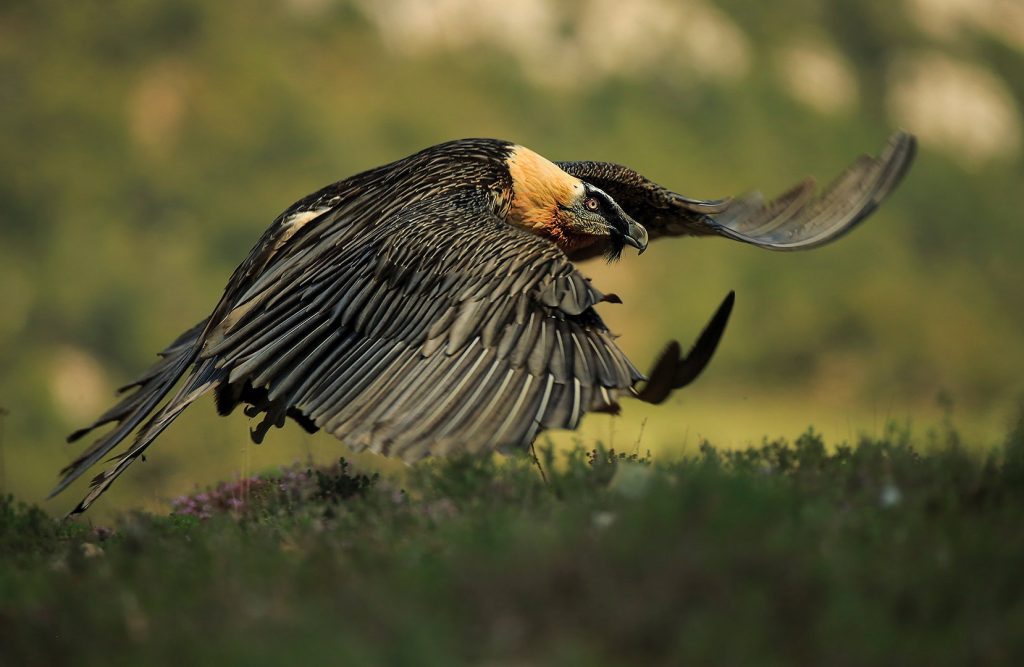
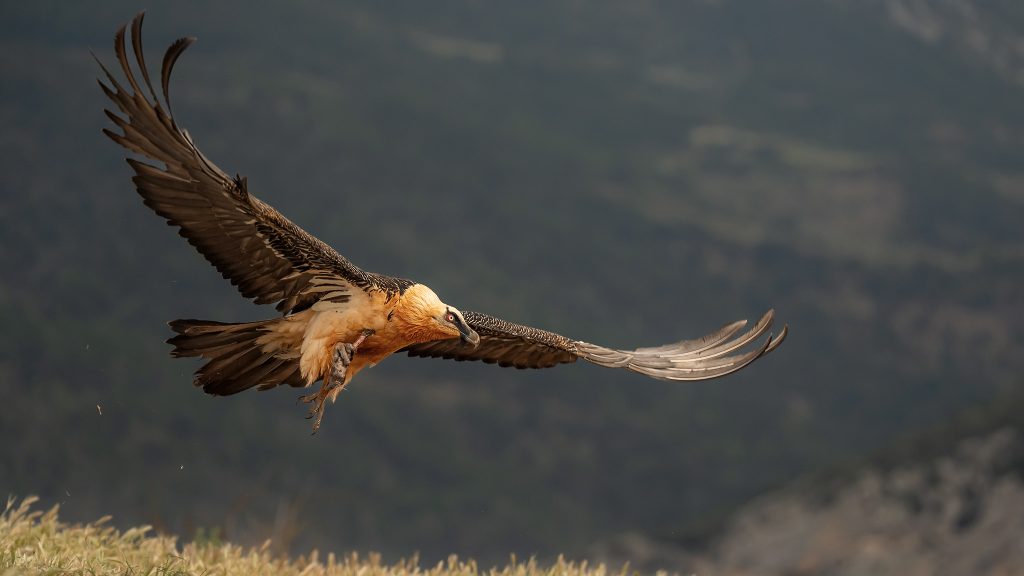
It’s still chilly—just a few degrees above freezing early in the morning, even though it’s already the second half of April. At just over 2,000 meters in the southern Pyrenees, the air doesn’t begin to warm until the sun has been up for a few hours. A pair of Griffon Vultures has drifted past in the distance when suddenly, a Bearded Vulture appears—gliding majestically over the valley below.
📅 Dates: April 16 – April 23, 2026 (FULLY BOOKED)
📅 Dates: April 23 – April 30, 2026 (FULLY BOOKED)
⏳ Duration: 8 days / 7 nights
📷 Led by: Brutus Östling
Total Price Per Person
Take advantage of our early bird pricing – available until December 31, 2025.
Early BIRD Price
2 890 EUR
PRIVATE ROOM
2 995 EUR
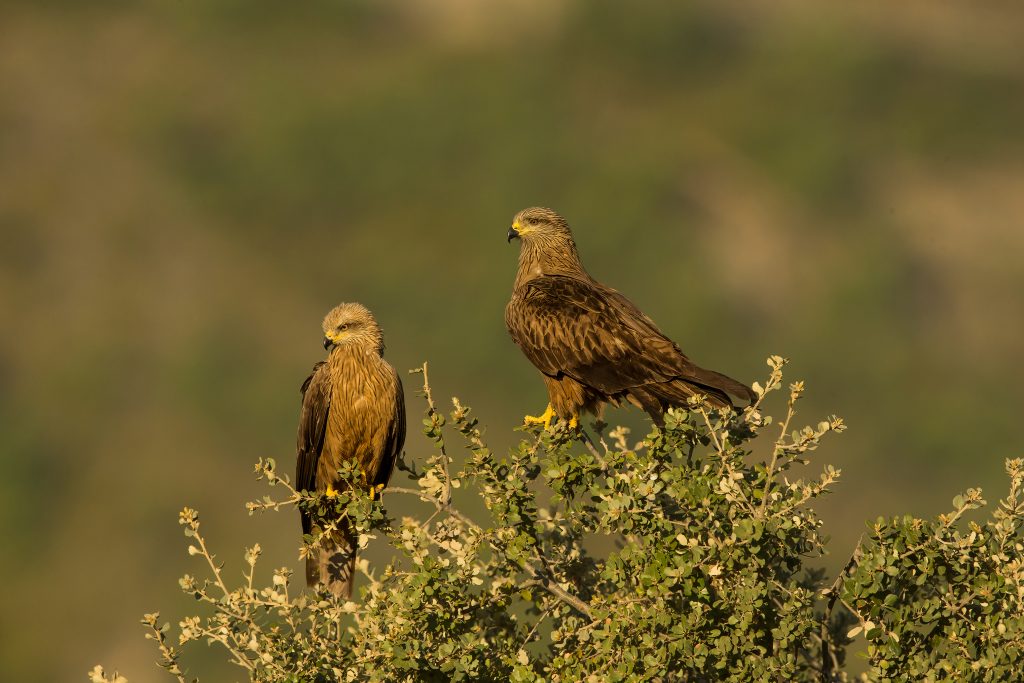
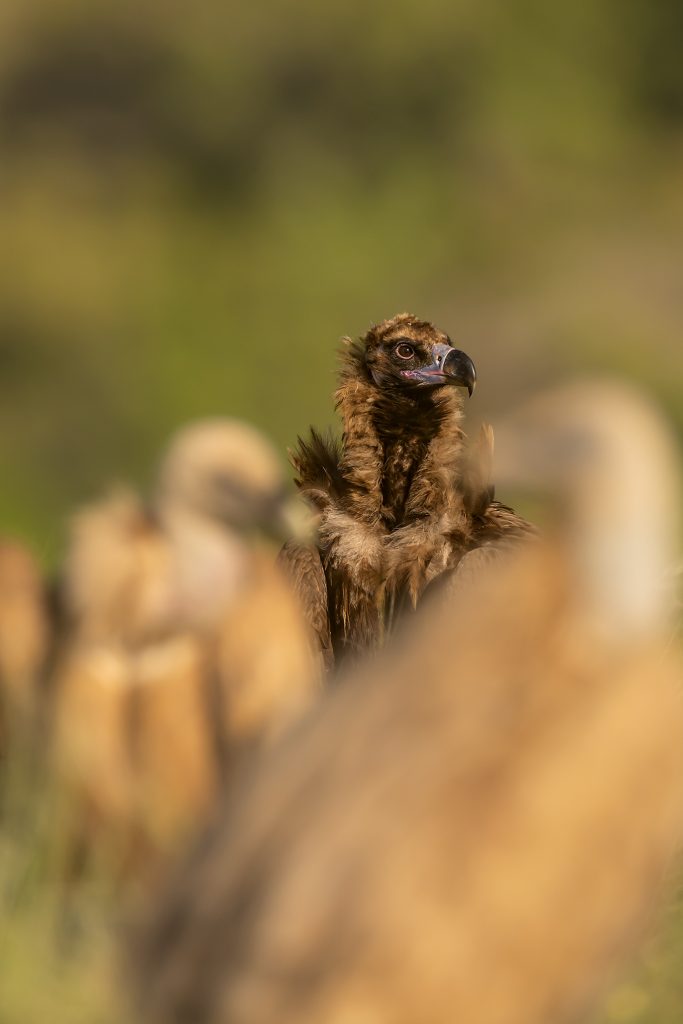
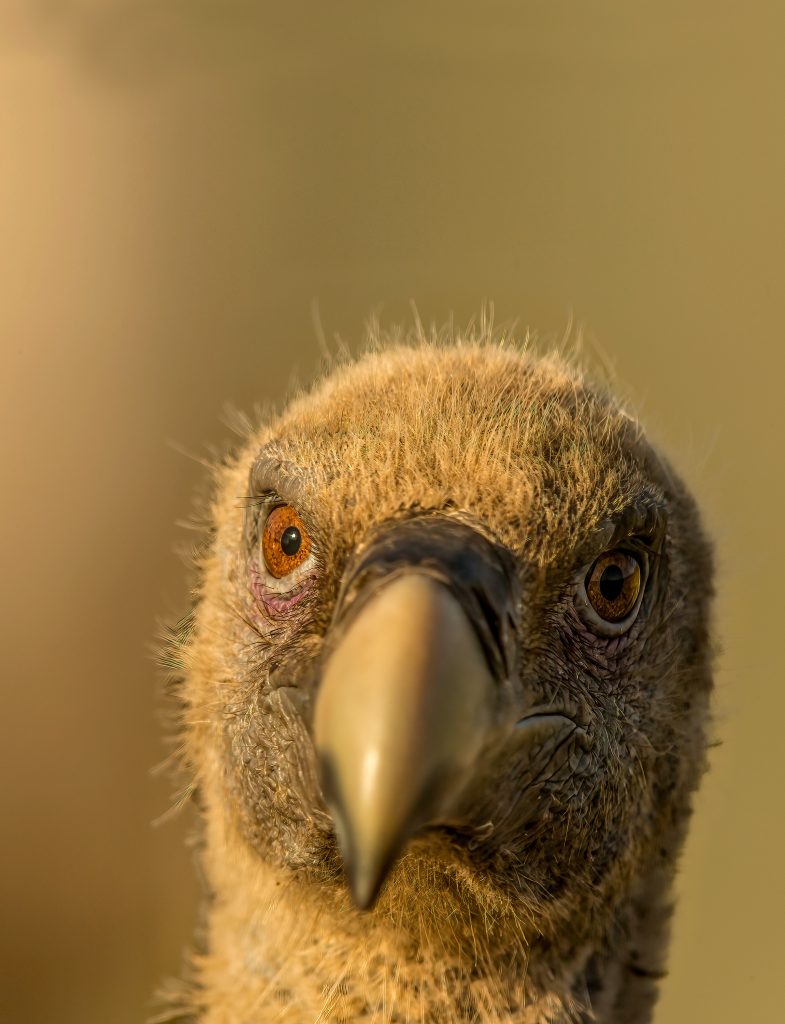
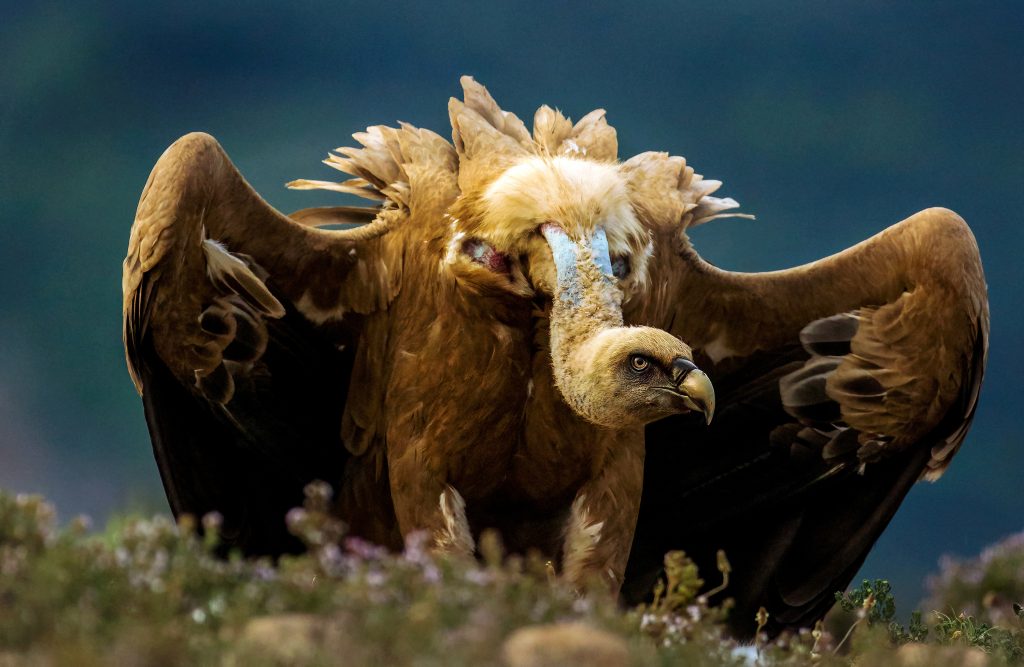
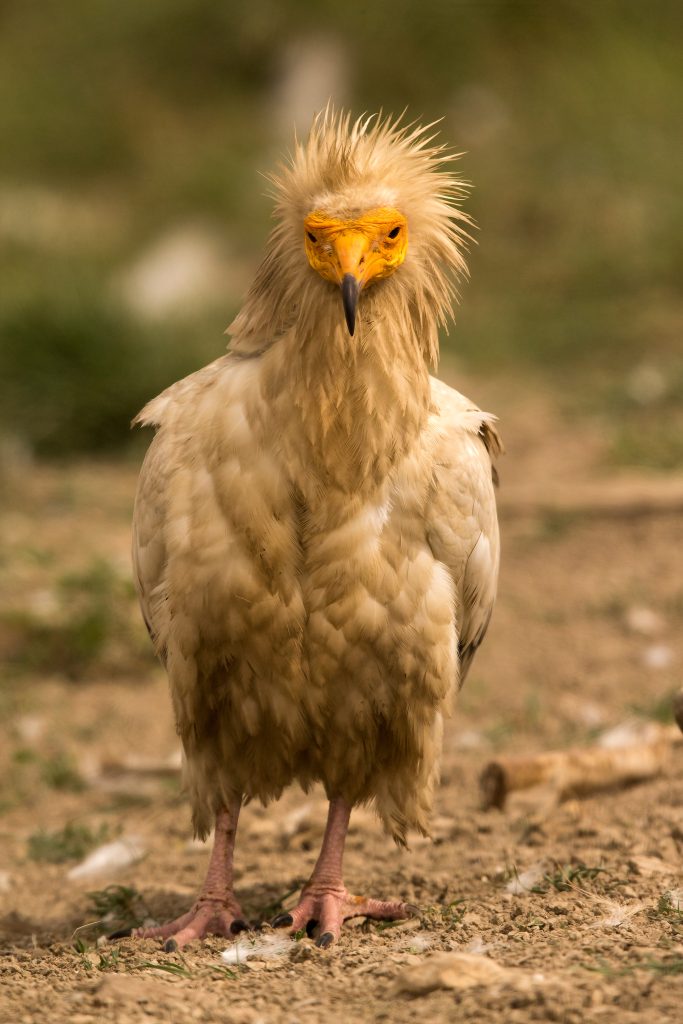
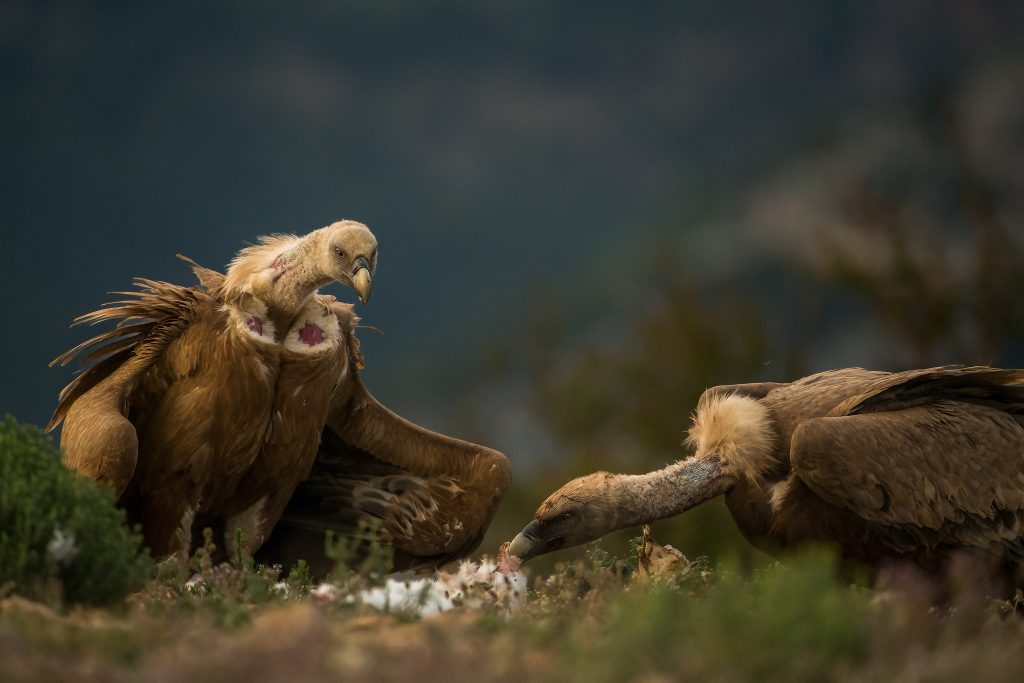
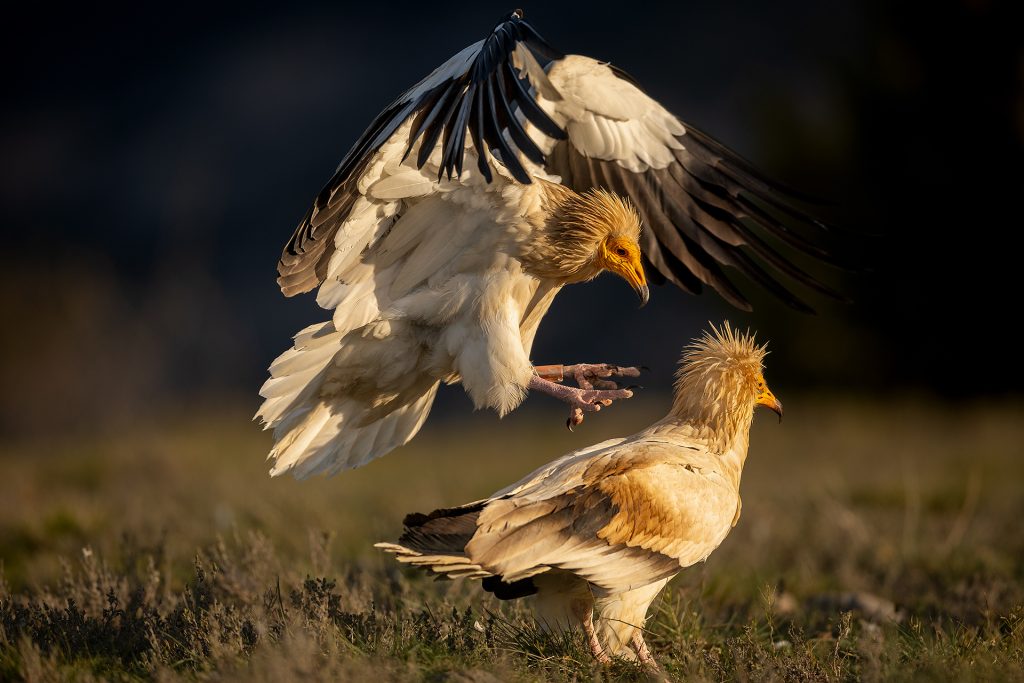
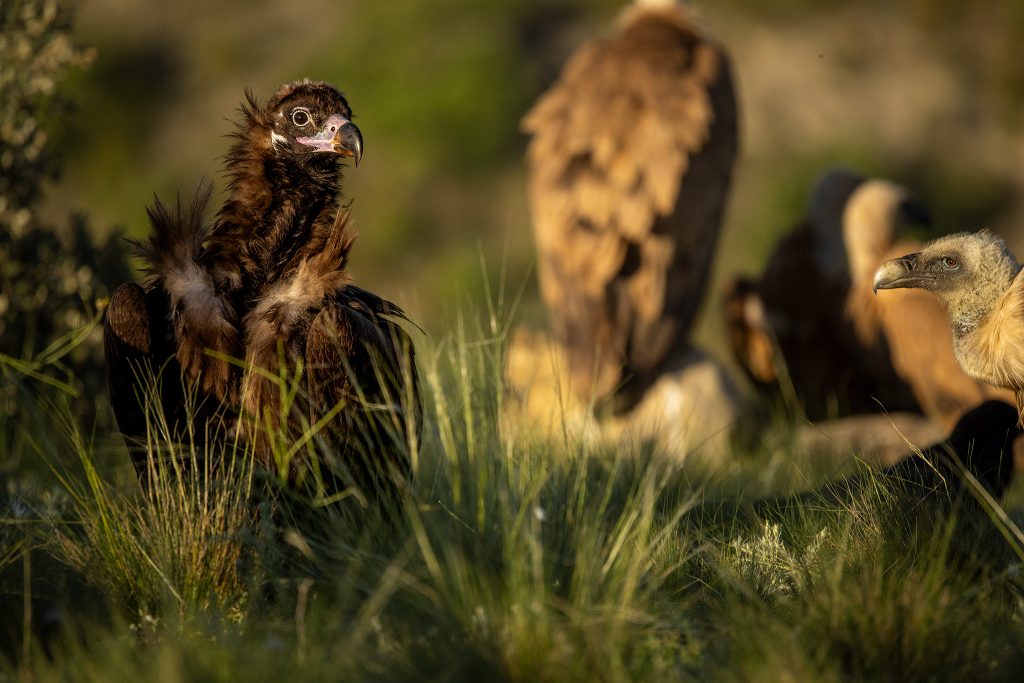
Photo Gallery from previous tours
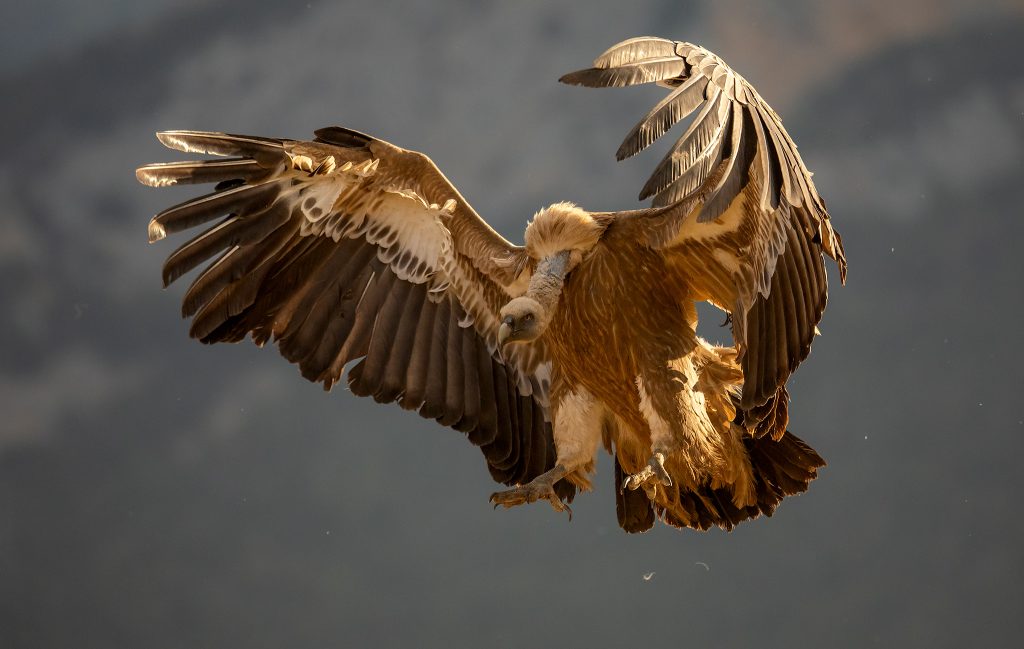
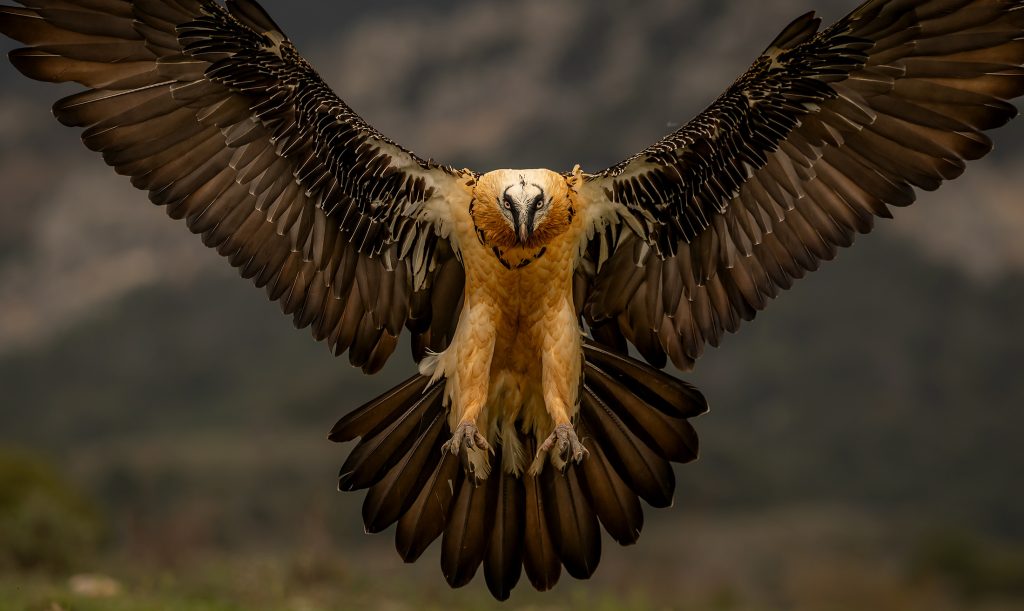
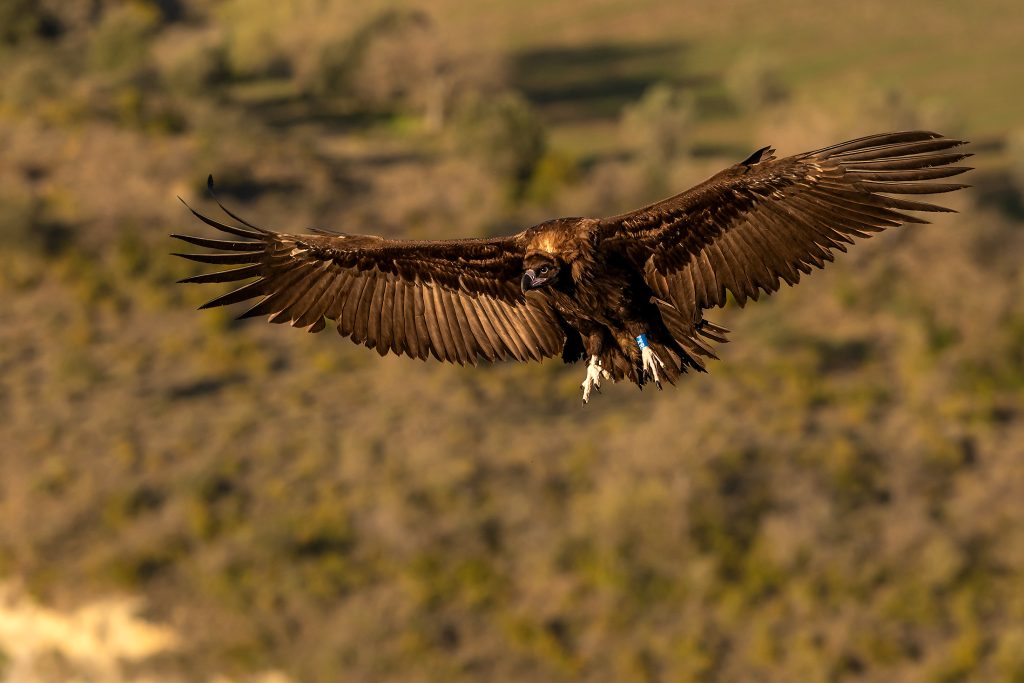
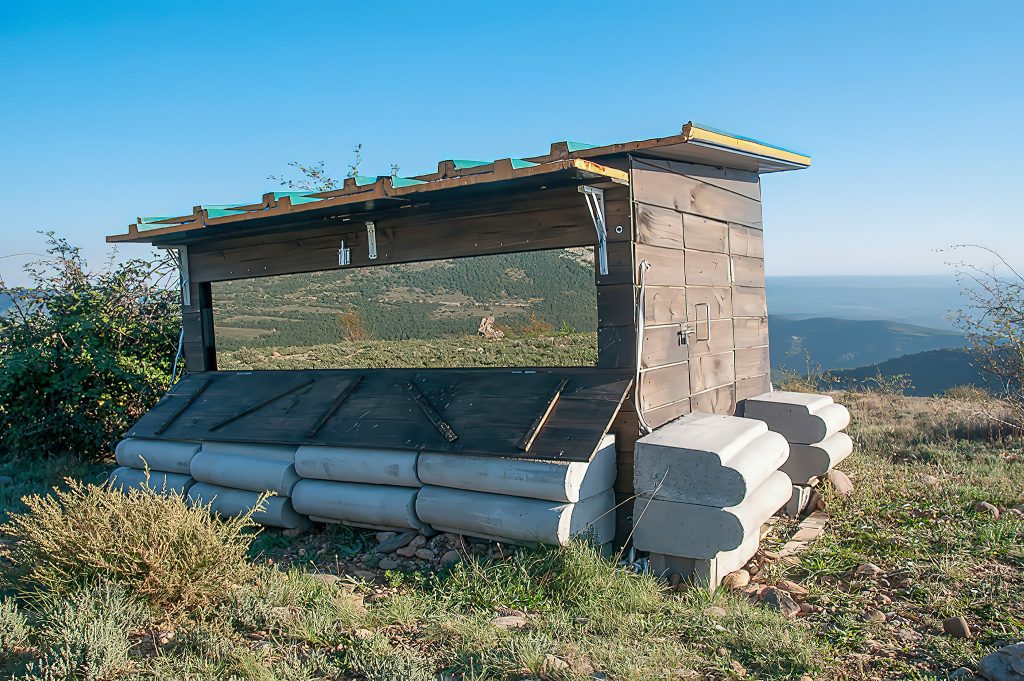
All images except the hide photo © Brutus Östling














Trip Details
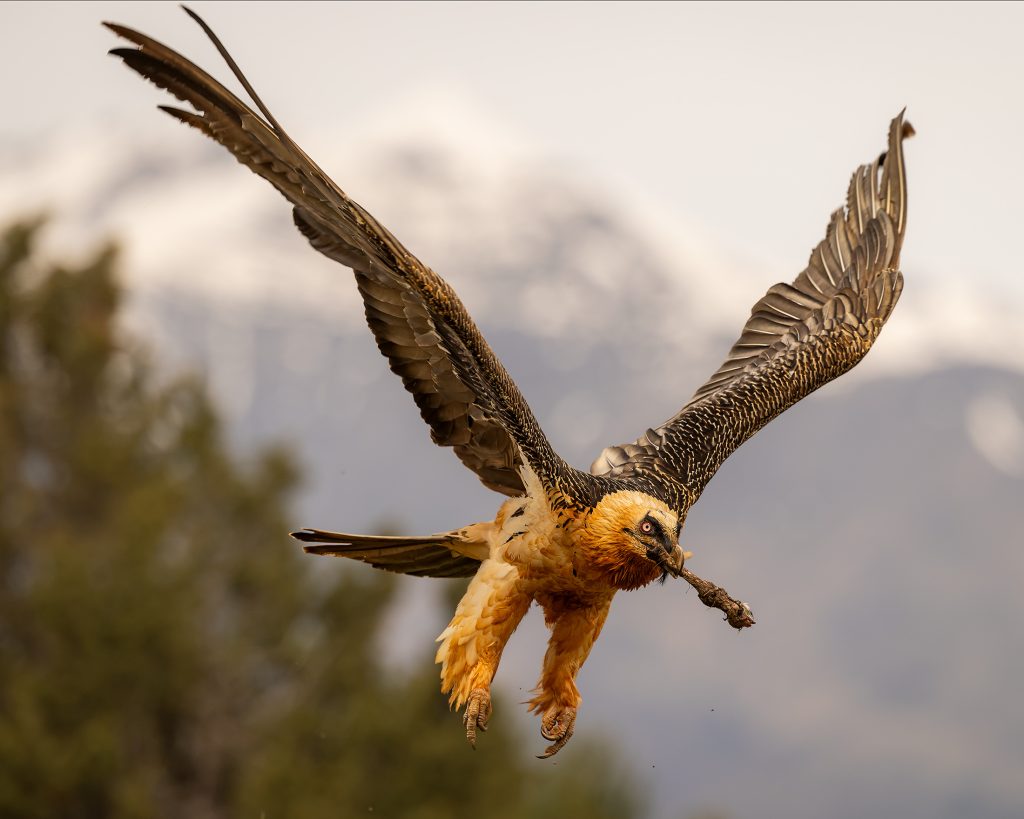
It’s still chilly—just a few degrees above freezing early in the morning, even though it’s the second half of April. At just over 2,000 meters in the southern Pyrenees, the air doesn’t begin to warm until the sun has been up for several hours. A pair of Griffon Vultures glides past in the distance when suddenly, a Bearded Vulture sweeps majestically across the valley below. It descends and lands gracefully on a rocky ledge. For a moment, it almost seems to be admiring the vast landscape. A second Bearded Vulture circles in and lands just behind the first—likely a nesting site nearby on the slope explains the scene.
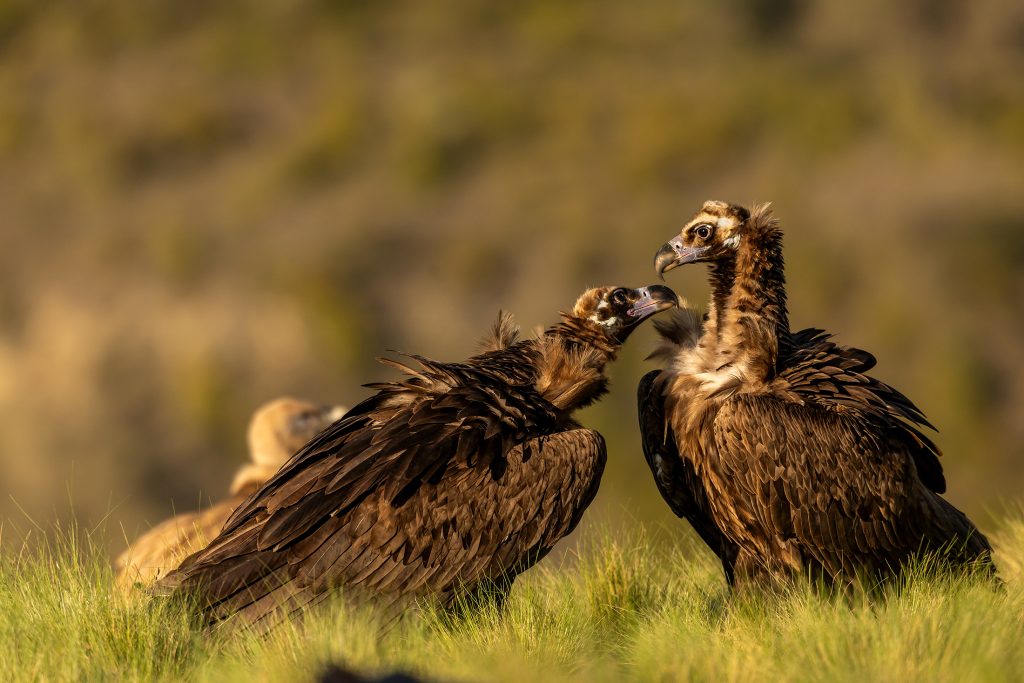
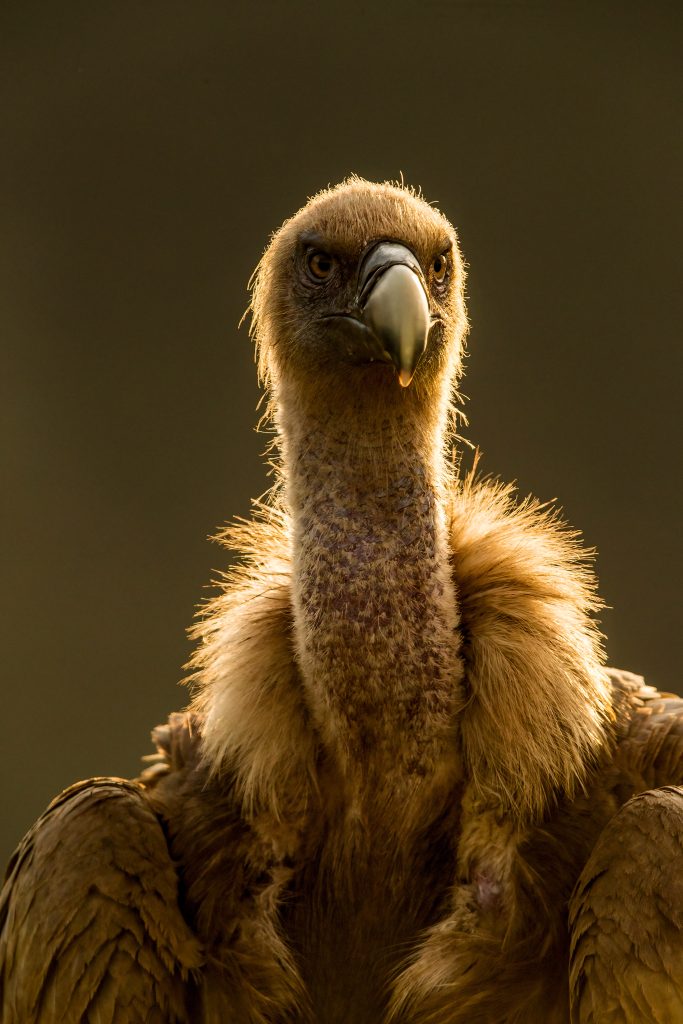
There are 23 species of vultures worldwide. The four that breed in Europe—specifically southern Europe—are the Bearded Vulture, Griffon Vulture, Cinereous (Black) Vulture, and Egyptian Vulture. While these species are also found in other parts of the world, the Bearded Vultures in Ethiopia, for instance, appear slightly smaller than their Spanish counterparts. This difference might simply be due to climate—animals in colder environments like the Pyrenees, Alps, or northern Greece often grow larger than those in warmer climates.
Vultures are primarily scavengers, although researchers working on a vulture conservation project in Spain once told me about a few Griffon Vultures that had started preying on weak or sick animals, usually juveniles. But in general, vultures are nature’s cleanup crew. By consuming all kinds of carcasses, they play a critical role in reducing disease and preventing the spread of infection.
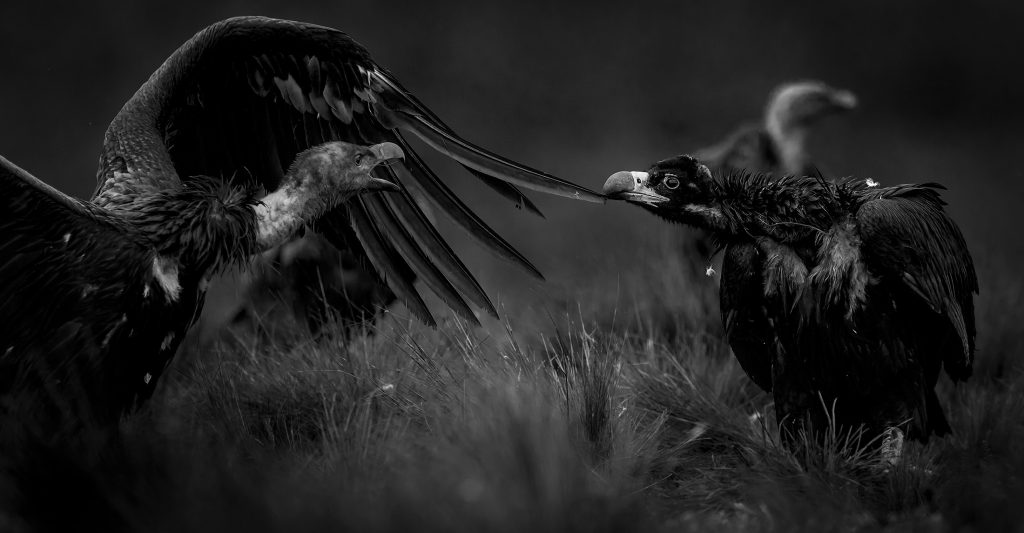
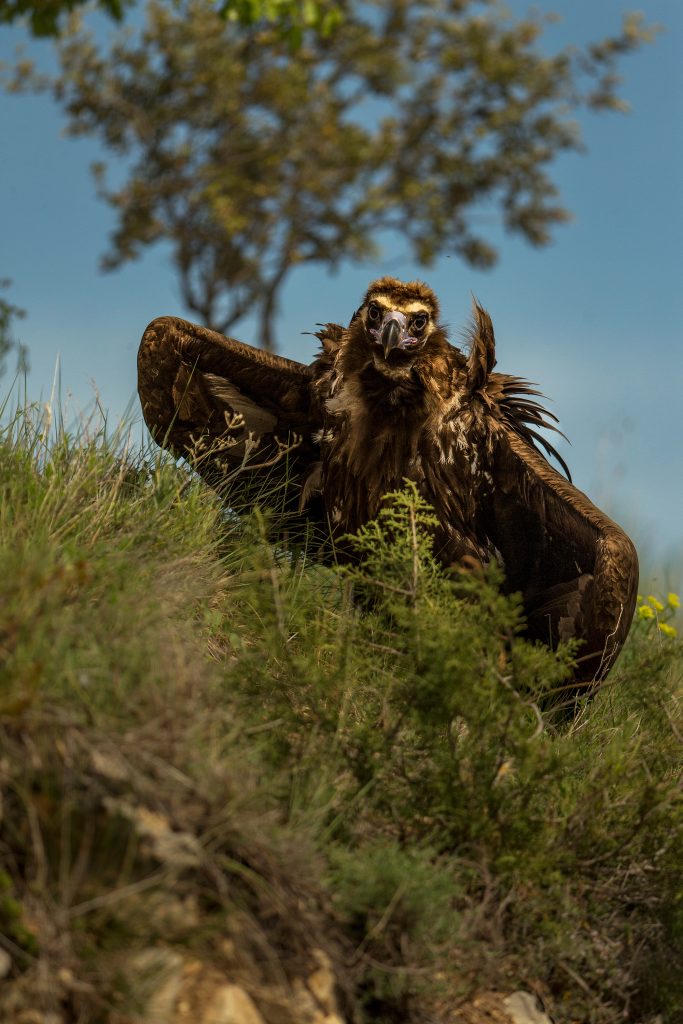
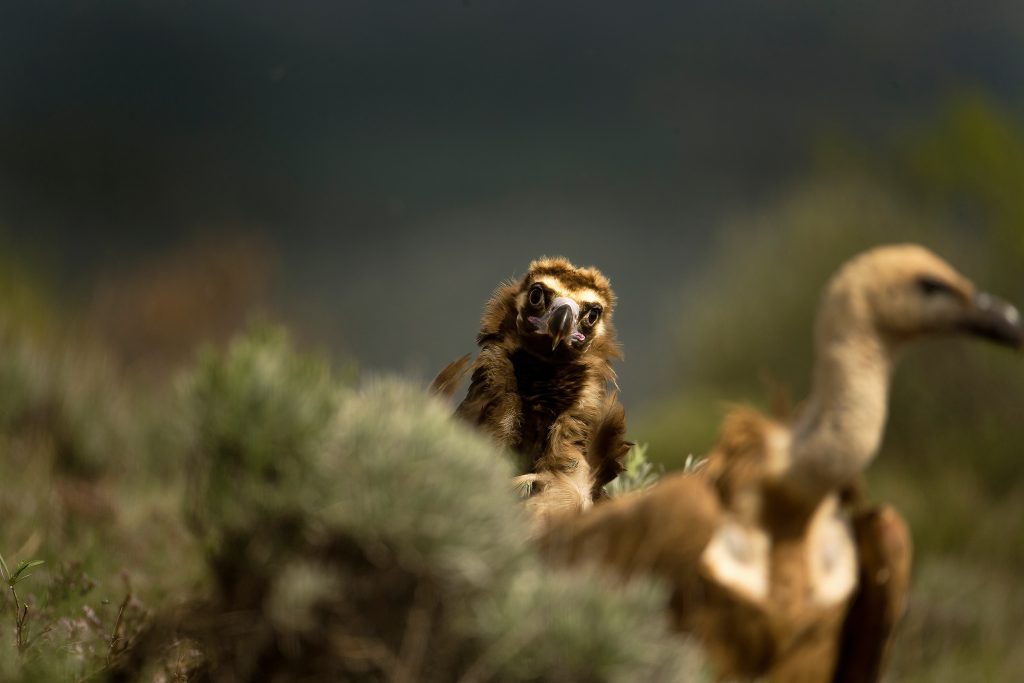
Globally, fewer than 5,000 Cinereous Vultures remain, making it one of the most threatened vulture species. In recent years, it has been reintroduced in northern Spain, where it can now be seen at specially managed “vulture restaurants”—sites that provide clean, vet-inspected carrion for endangered species. These feeding sites also benefit other threatened species like the Egyptian Vulture.
The Cinereous Vulture is a formidable bird—when it lands at one of these feeding sites, even the usually dominant Griffon Vultures step aside.
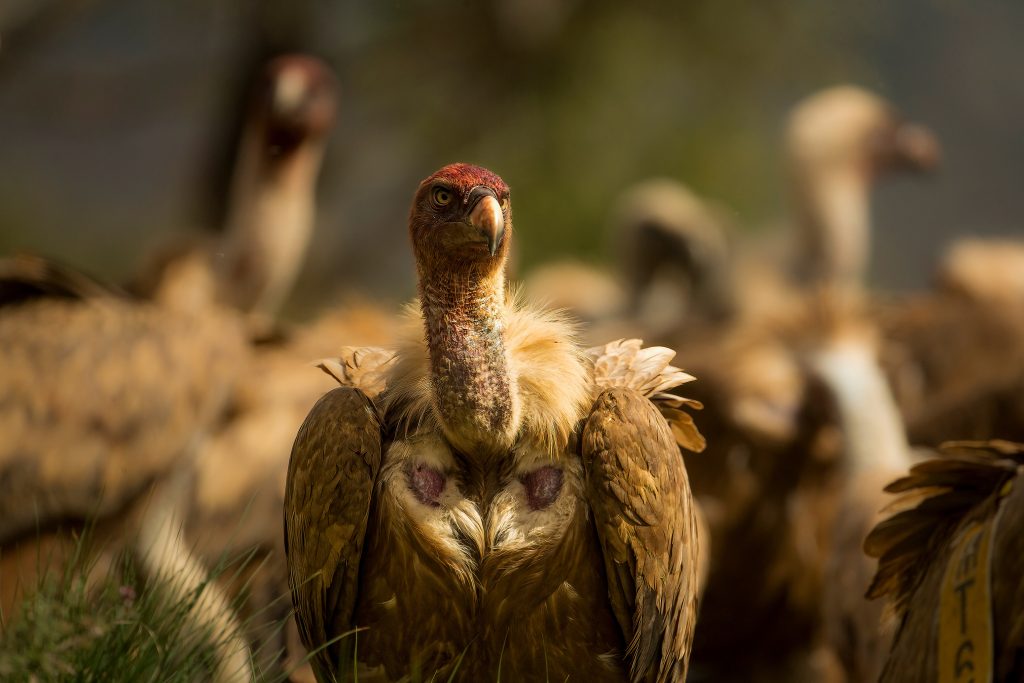
Feeding on carcasses is a messy job. That’s why most vulture species have featherless heads and necks. But the Bearded Vulture stands apart. It is fully feathered, even on the head, and has a distinctive “beard”—a small tuft of feathers that hangs beneath the beak.
Its diet also sets it apart. Bearded Vultures often arrive at feeding sites only after the others have stripped the carcass clean, leaving behind only bones. And bones are what it wants—specifically the rich, fatty marrow inside. To access it, the Bearded Vulture has developed a remarkable technique. If it doesn’t swallow the bones whole—yes, some of them do—it will either smash them against rocks or fly up 40–50 meters and drop them onto boulders to crack them open.
While many vulture species breed in colonies, the Bearded Vulture is more solitary, like the Egyptian and Cinereous Vultures. A single bird may glide as far as 700 kilometers in one day if the winds are favorable. Territories are vast, and nesting sites are often spaced by at least 10 kilometers. On a global scale, the Bearded Vulture is not critically endangered. In 2004, BirdLife International estimated the global population to be between 2,000 and 10,000 individuals.
In Europe, however, it is among the most threatened raptors. Just a couple of hundred years ago, it was relatively common. But when the EU banned the traditional practice of leaving livestock carcasses in the field, vultures lost a vital food source. Vulture restaurants became a lifeline.
Like other vulture species, the Bearded and Egyptian Vultures were hit hard by the veterinary use of diclofenac in India, where its use on livestock was eventually banned 20 years ago. Unfortunately, some local authorities in Spain and Italy have since permitted diclofenac again, posing a renewed threat to these already vulnerable European populations.
The Little Bustard’s Flamenco Dance
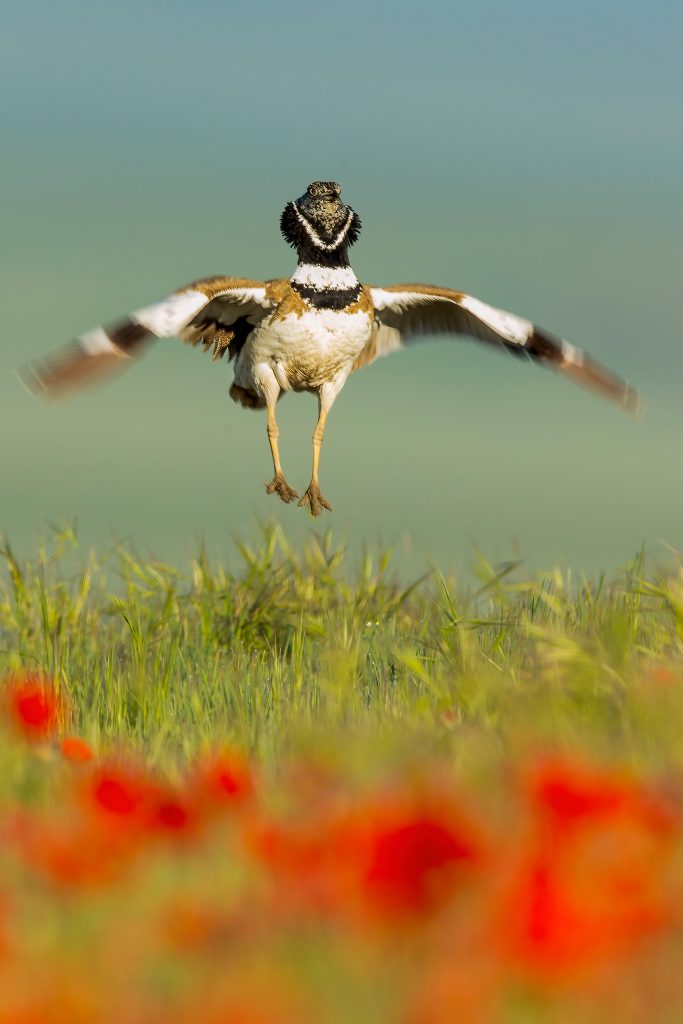
In Sweden, we have four lekking bird species: Capercaillie, Black Grouse, Great Snipe, and Ruff. In southern Europe—and especially Spain—one of the most fascinating display species is the Little Bustard, whose traditional lekking grounds are now increasingly endangered. For many bird photographers, seeing and capturing the Little Bustard’s courtship display has long been a dream. The males perform dramatic jumps and displays during a brief mating season that lasts from early April through the first weeks of May—precisely when we plan this tour.
During lek, male Little Bustards are far less shy than their northern relatives like the Capercaillie, although the females are even more elusive. Mating takes place well hidden in tall grass.
The males’ display consists of wing-flapping, followed by a distinctive foot-stamping rhythm—almost like a miniature flamenco dance—that builds in intensity before the male performs his signature leap.
When Brutus visited the fields outside Montgai in 2014, one particular male stood out. He arrived long before sunrise, while the others were still hidden. He began displaying in total darkness, the fields illuminated only by distant headlights. He continued his dance well into late morning, long after the other males had come and gone.
Brutus Östling
Guide and Lead Photographer

Brutus Östling has photographed extensively in the Pyrenees region since 2008. The hides we use are carefully selected for their ideal backdrops and high reliability, particularly for encounters with the spectacular Bearded Vulture—but also with Cinereous and Egyptian Vultures.
The Cinereous Vulture is currently being reintroduced in northern Spain. On one of the hide days, we visit the location with the most consistent sightings of this powerful and imposing species.
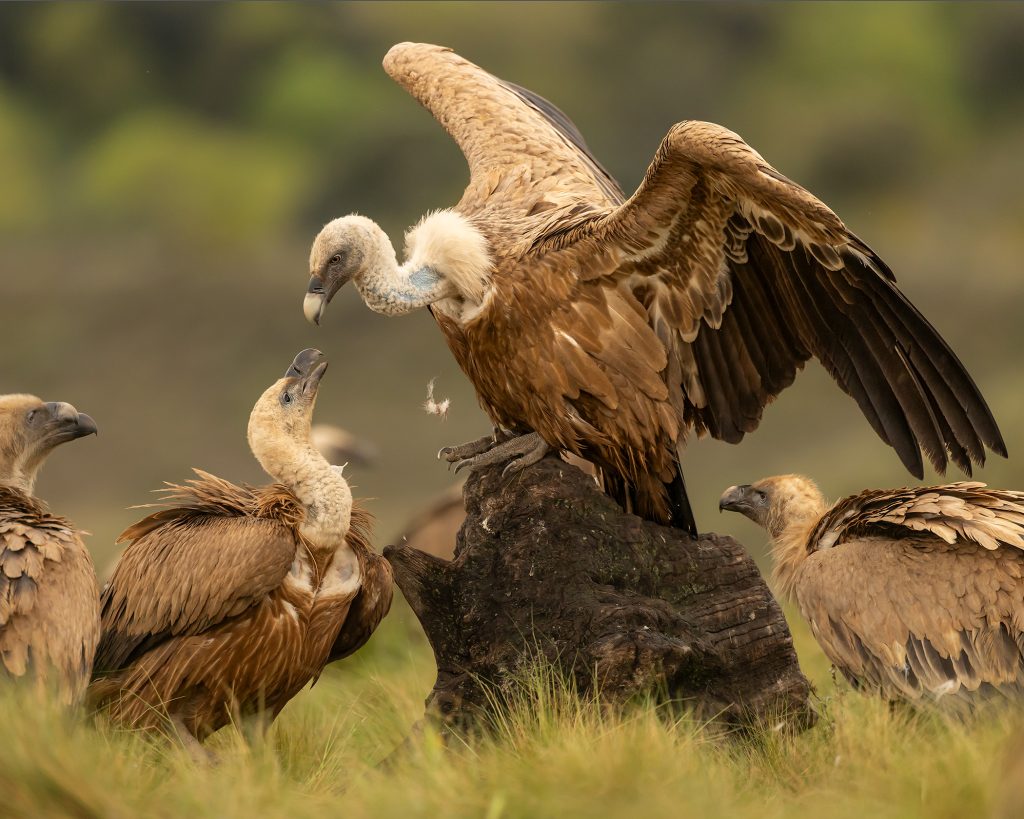
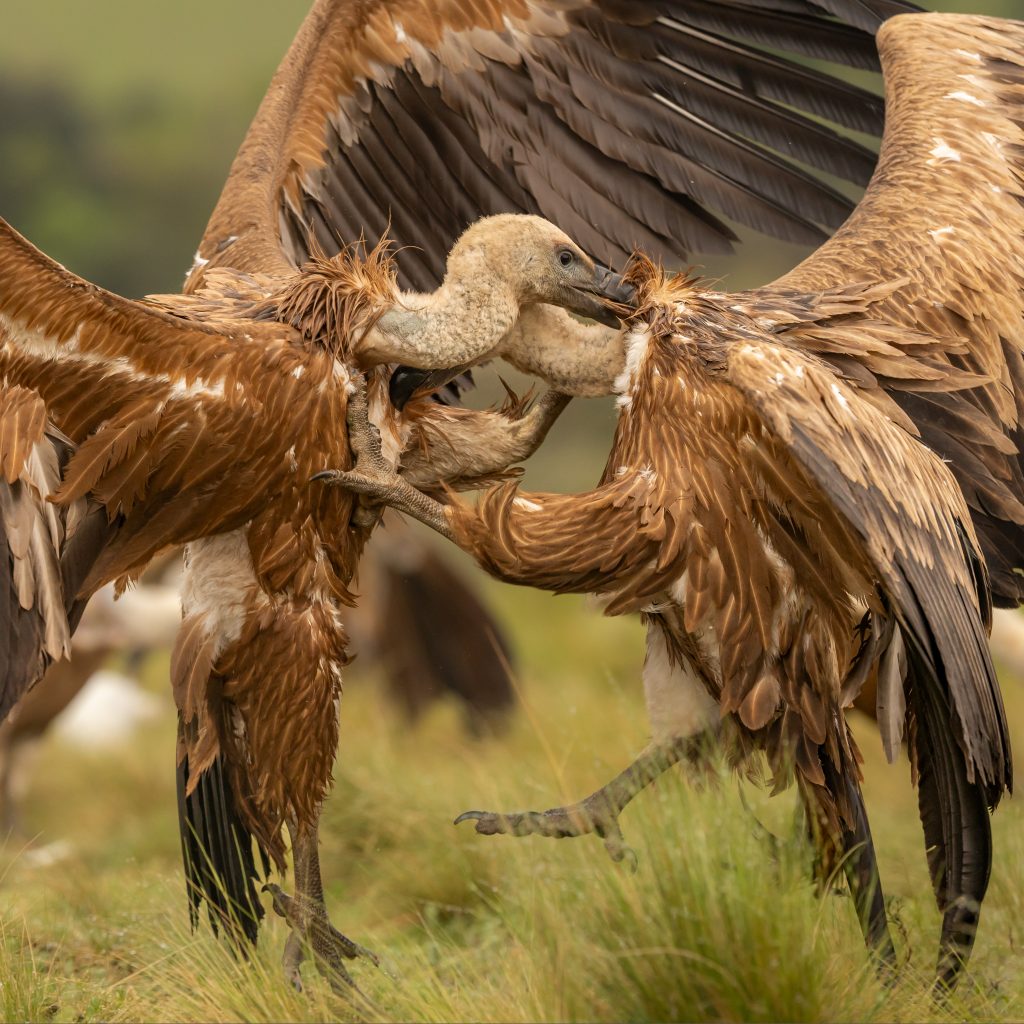
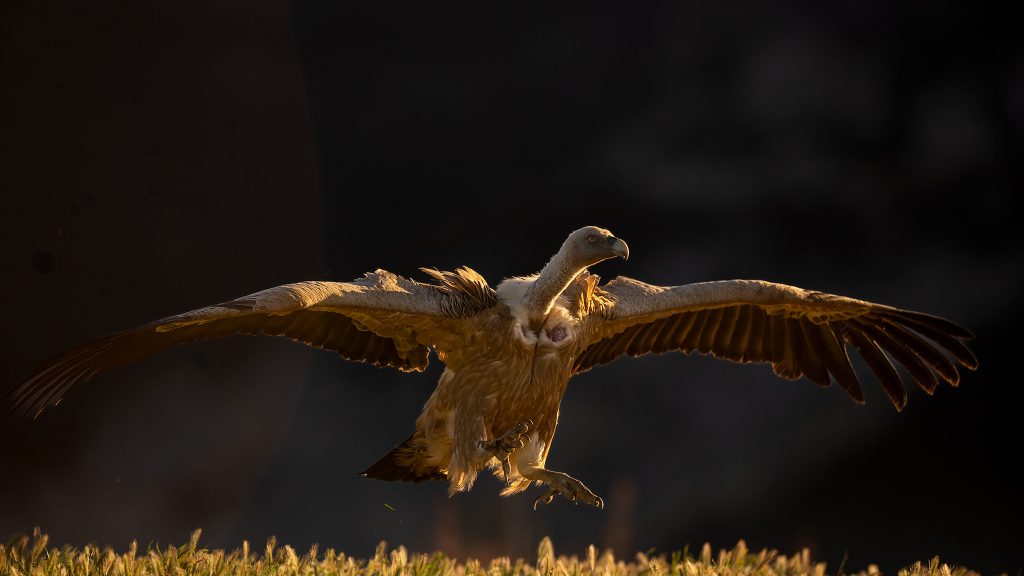
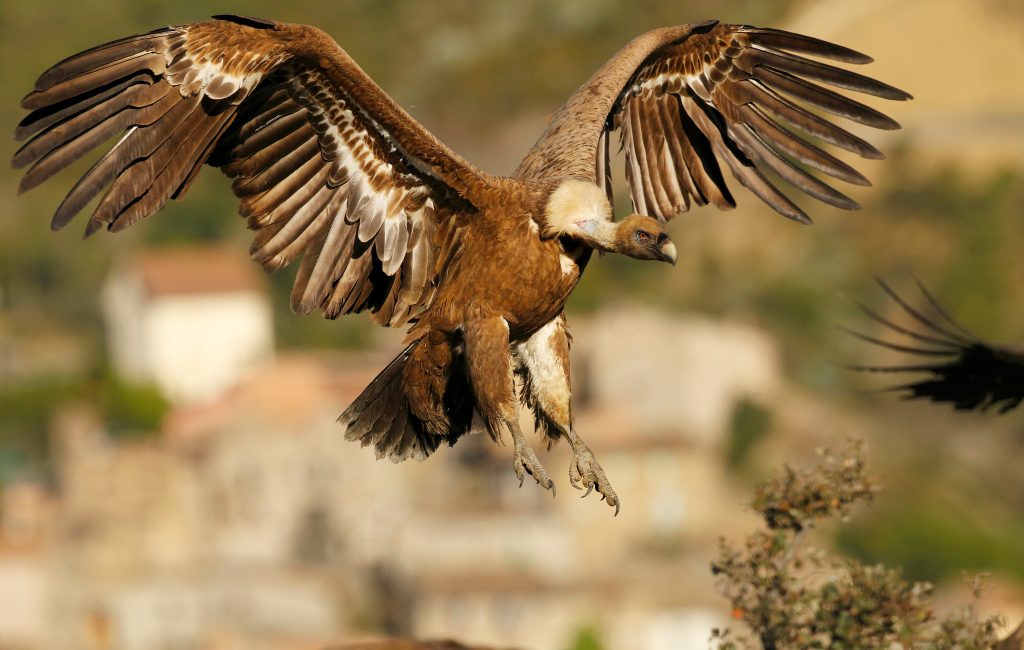
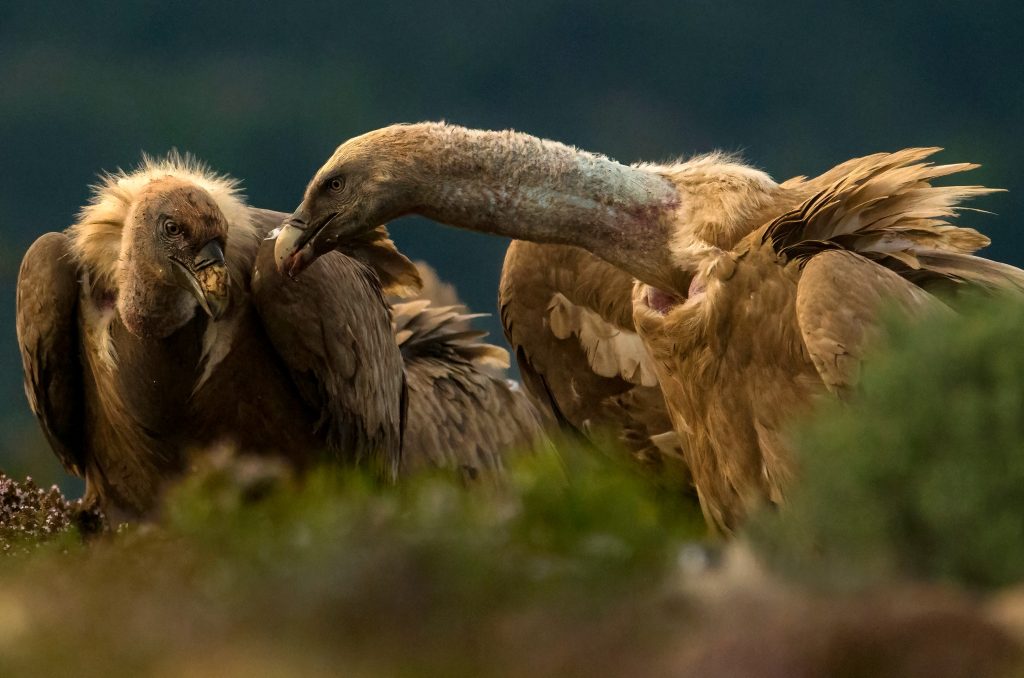
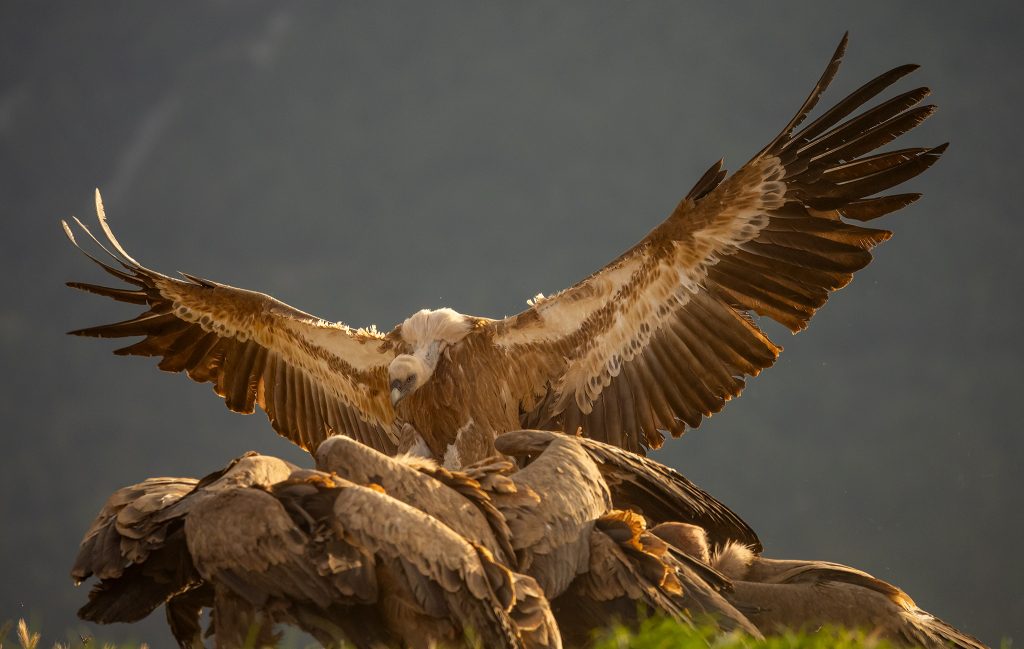
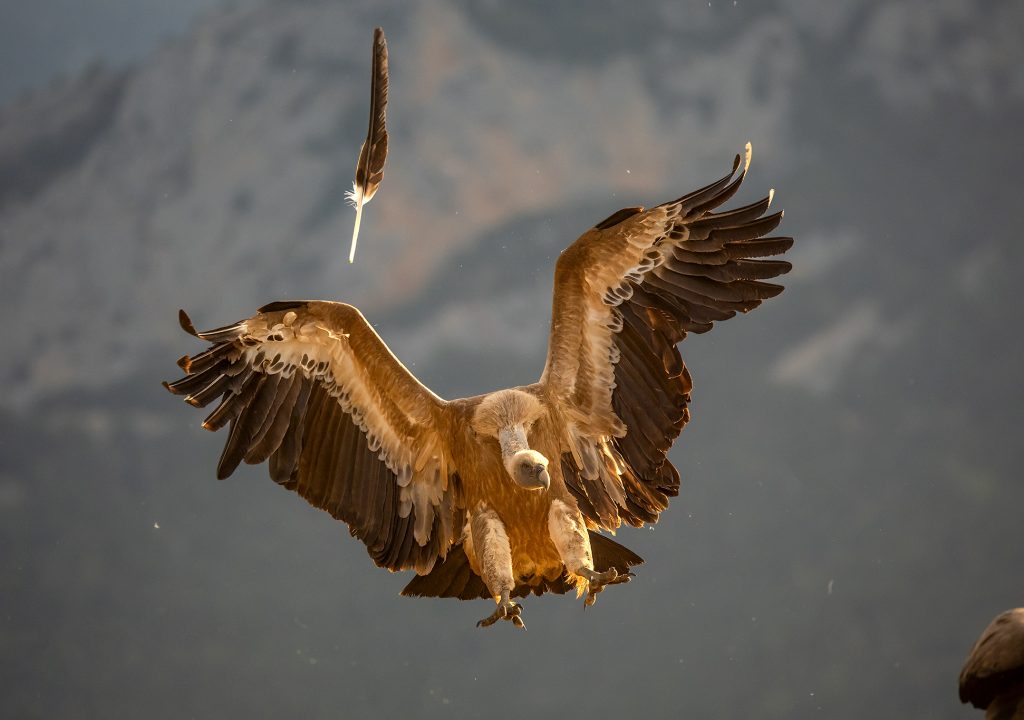
Griffon Vultures are always present in large numbers. Their aggressive behavior during feeding creates plenty of opportunities for dynamic action shots as they compete over scraps.
Little Bustards on the Lek
We photograph Little Bustards directly at their traditional lekking grounds, using hides positioned in advance of the birds’ arrival. We head out before the first light of day to be in place.
Despite being the smallest bustard on the Northern Hemisphere, the Little Bustard is not a small bird—roughly the size of a female pheasant. It favors undisturbed farmland and wild meadows with vegetation tall enough to provide cover during the breeding season.
Spain remains the species’ stronghold in Europe, but the population has declined dramatically. In the last 30 years, the number of displaying males has dropped by an estimated 80–90%, largely due to habitat loss. Traditional landscapes once deemed “unusable” have increasingly been repurposed for development or intensive agriculture—leaving fewer safe places for the species to breed.
Essential Information
Norway Eagle Kingdom Photo Tour – July X to July X, 2026
Dates
April 23 – April 30, 2026 (eight nights, seven days)
Price
2995 EUR
Early Bird Price: 2890 EUR (valid until December 31, 2025)
Tour Leader / Photo Guide
Brutus Östling,
Group Size
Minimum 5 / Maximum 5 participants
Included in the Price
- Private, single room accommodation.
- Photographic instruction and support from our expert guides are included.
- Transportation from Barcelona airport, and during the tour.
Accommodation
We stay at Ole Martin’s Ørnehus — a spacious, modern house where we can prepare our own meals, pack breakfasts for the boat trips, and enjoy a comfortable stay close to the fjord.
Not Included in the Price
Round-trip flights to and from Barcelona
- Gratuities (optional)
- All meals and beverages
- Travel insurance and personal expenses
- Trip cancellation insurance
Meals are enjoyed at or near our accommodations and are paid individually on-site. The rural Spanish countryside is known for its very reasonable prices for food and drink.
In 2025, guests paid between €150 and €165 total for all seven three-course dinners, including wine, beer, or a non-alcoholic beverage.
Single Room Supplement
Included in the price.
Clothing
A warm jacket and layered clothing are essential—especially for early mornings when temperatures can be quite low. While some days may become surprisingly warm, others can remain chilly throughout, particularly during our hide session located at 1,400 meters elevation.
Hide Clothing
In the hides, we ask all participants to wear black or dark-colored clothing, preferably with long sleeves.
Thin dark gloves are also highly recommended—light-colored fingers can easily be seen through the hide’s observation glass, which may alert the birds. However, gloves are optional and not strictly required.
Be prepared for a wide range of conditions by dressing in layers that can be easily added or removed as needed.
Accessibility
Accessibility is limited for those with reduced mobility. Please contact us to discuss specific needs.
Visa / Passport
Visa should not be needed for European guest, but please check with your local authorities. Passport needed for the flights and entering Norway.
Additional Travel Terms for This Tour
Our price is calculated based on a minimum of 5 participants and an exchange rate of 1 EUR = 10.90 SEK (as of March 8, 2025). The pricing is based on 2025 rates, and no price increases have been announced. However, if the hotel or hide provider raises their rates, Fokus reserves the right to adjust the tour price accordingly, up to a maximum of 5% of the total price or 125 EUR, whichever is lower.
In the event of a price increase beyond this limit, participants have the right to cancel their booking without penalty.
If the number of participants is fewer than five:
- With 4 participants, the tour price will increase by 180 EUR per person.
- With 3 participants, the tour price will increase by 260 EUR per person.
This pricing policy is part of the booking terms for this specific tour, regardless of the price at which it was originally booked. On the other hand, it reflects Fokus’ commitment to running the tour rather than cancelling it due to low turnout.
Payment Terms
The payment terms for this tour differ from our general travel terms and conditions.
- A non-refundable deposit of 500 EUR is due via invoice upon registration.
- An additional 500 EUR is due no later than November 26, 2025.
- The remaining balance must be paid no later than 60 days before the start of the tour.
In the event of cancellation after November 26, 2025, both the initial deposit and the second 5,000 SEK installment are non-refundable. If payment has not yet been made by that date and the booking is cancelled after November 26, Fokus reserves the right to collect the outstanding amount.
We now offer card payment options (conditions apply).
Insurance
We recommend a travel insurance and cancellation policy through our partner Europeiska ERV.
Health & Vaccinations
Consult your doctor for vaccination advice prior to travel.
Group & Language
Tour leaders speak both Swedish and English.
Traveller Rights
Information about key rights under EU Directive 2015/2302 available upon request.
Travel Terms & Conditions
Please read our full travel terms [link or reference here].
Book Your Vulture Photo Tour Today!
Join us in the high Pyrenees for an unforgettable journey into the world of Europe’s most powerful raptors.
Photograph all four vulture species found in southern Europe — including the iconic Bearded Vulture — from specially designed hides with dramatic backdrops and ideal light.
Expect intense action, aerial drama, and rare photographic moments few ever witness.
Renowned nature photographer Brutus Östling will guide and support you throughout the tour.
A raw, high-impact photography experience for serious photographers.
Send your booking request with confidence. Nothing is final until you’ve received a confirmation from us and paid the deposit — until then, it’s simply a non-binding request.
Choose the tour you want to join, and fill in your details, we will get back to you shortly to confirm your booking.
Photo Gear Recommendations for this Tour
Since we’ll primarily be photographing birds, telephoto lenses or tele zooms are key.
A tele-zoom like 80/100–400mm, 100–500mm, or 200–600mm is excellent. A 70–200mm is very useful as the vultures will come very close to the hides.
In some situations, you may want to increase your reach with a teleconverter. On a crop-sensor body, a 400mm lens effectively gives you a field of view equivalent to 600–640mm.
If you’re using a full-frame body and your longest lens is 400mm, we recommend bringing a 1.4x converter.
When photographing vultures in flight, the most useful focal length is typically between 300–600mm. A prime 400mm lens often frames the birds perfectly, especially during flight or when they’re circling overhead. However, when vultures land close to the hide—particularly Griffon or Cinereous Vultures, which have massive wingspans—you may find yourself clipping wings at 400mm.
If you want maximum image detail and are comfortable reframing or cropping in post, 200–400mm is ideal. That said, a zoom lens gives you the flexibility to adapt when birds land closer than expected.
Personally, I think the Canon RF 100–300mm f/2.8 (with or without the 1.4x converter) or Sony 200–600mm offer the best versatility for this tour—sharp, fast, and able to handle everything from close landings to dramatic aerial displays.
Because this is action photography, it’s always helpful if at least one telephoto lens has a wide aperture — like f/2.8 or f/4. However, with today’s high-ISO performance, even f/5.6 or f/6.3 lenses perform very well.
If you have two camera bodies, bring both and mount different focal lengths — this will help you avoid changing lenses in the middle of the action.
A standard zoom with a wide end of 24mm or 28mm (or even wider) is also great to have on hand for landscapes or vultures coming very close to the hides.
Traveler Reviews – Vultures in Spain
u003cstrongu003eu0022The photo tour to Mana Pools was without a doubt the best photography trip I’ve ever done in Africa. I’ve previously been to Masai Mara and Amboseli — but nothing compares to Mana Pools.u0022u003c/strongu003e
u003cstrongu003eAs a woman traveling solo, I felt completely safe and taken care of from the moment I landed in Durban. Every detail of the trip was so well thought out. I’m already planning my next Focus photo trip!u003c/strongu003e