Fieldcraft and ethics
Move with purpose and respect. Learn how to read the wild without disturbing it.
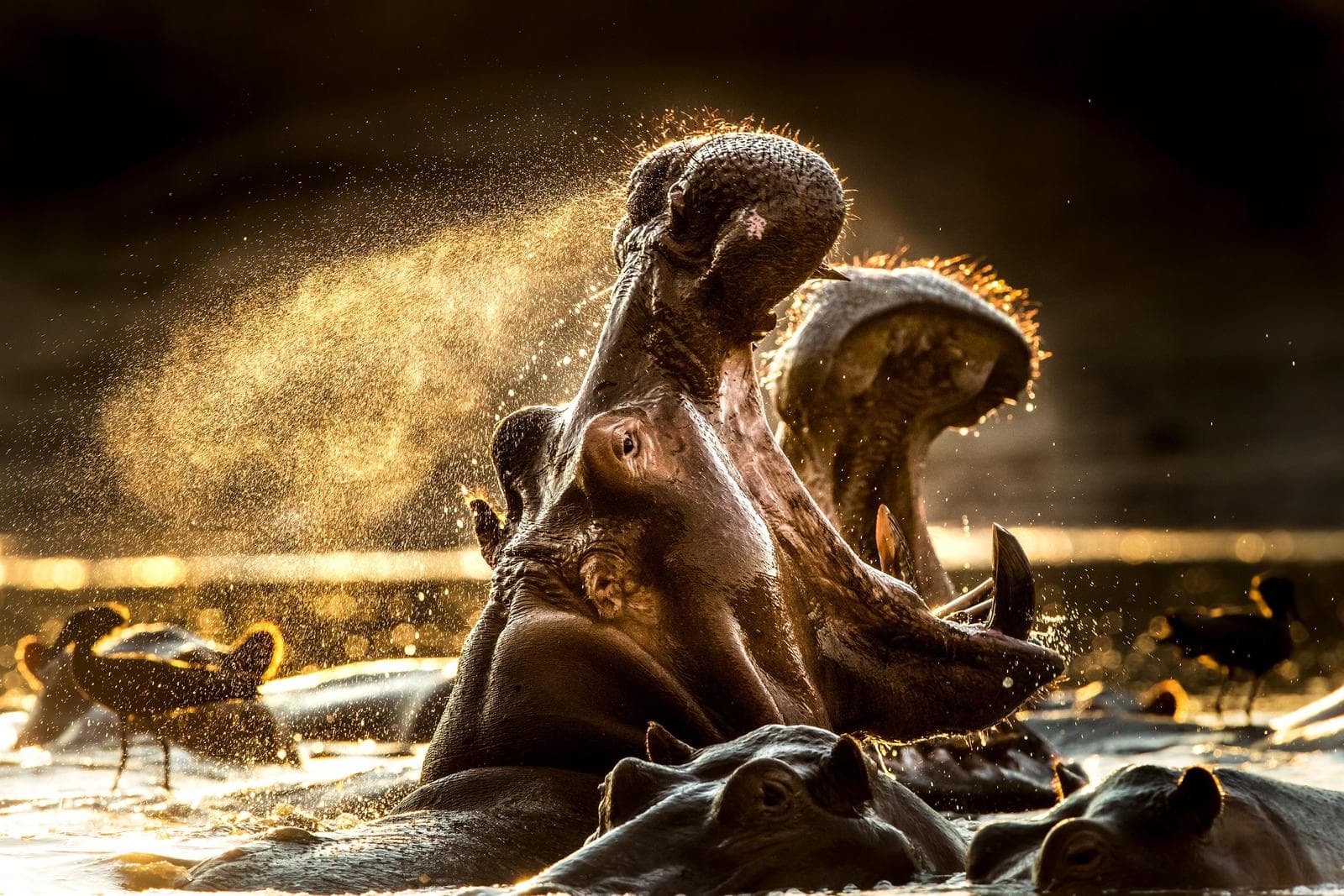

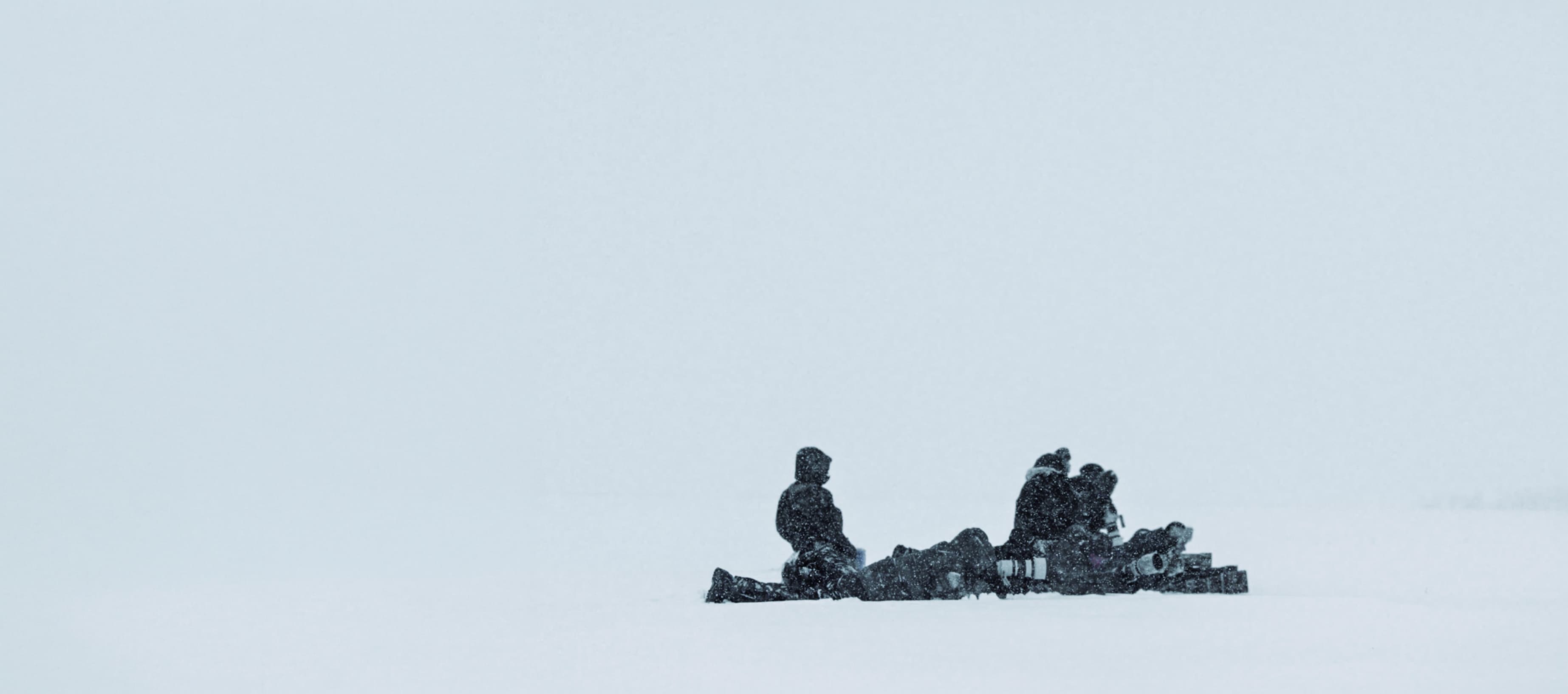
Behind the scenes
The strongest wildlife images begin long before the shutter. With location choices, patience, fieldcraft, and respect for the animals.
Follow how FocusRAW works in the field: how we read the light, wait for behaviour, and create image opportunities without disturbing nature.
A strong image is rarely luck. It comes from the right place, the right time, the right decisions, and a team that knows when to wait.
See how experienced photographers think before the image is made: position, wind, light, distance, and patience.
Learn to recognize when a moment is building, not only when it is already happening.
We plan for light, behaviour, and calm working time, not just for reaching the next place.
Bring home a way of working that makes you stronger long after the tour.
The method
Behind the scenes is not extra material at Fokus. It is the method: how we build image opportunities before the image exists.
01
Where do the animals move, where does the light fall, and where can we work without disturbing?
02
Background, wind, angle, and distance shape the image before the camera is raised.
03
Most things do not happen immediately. We work with patience, silence, and readiness.
04
In reviews, fieldwork becomes learning: what worked, and what can be stronger next time?
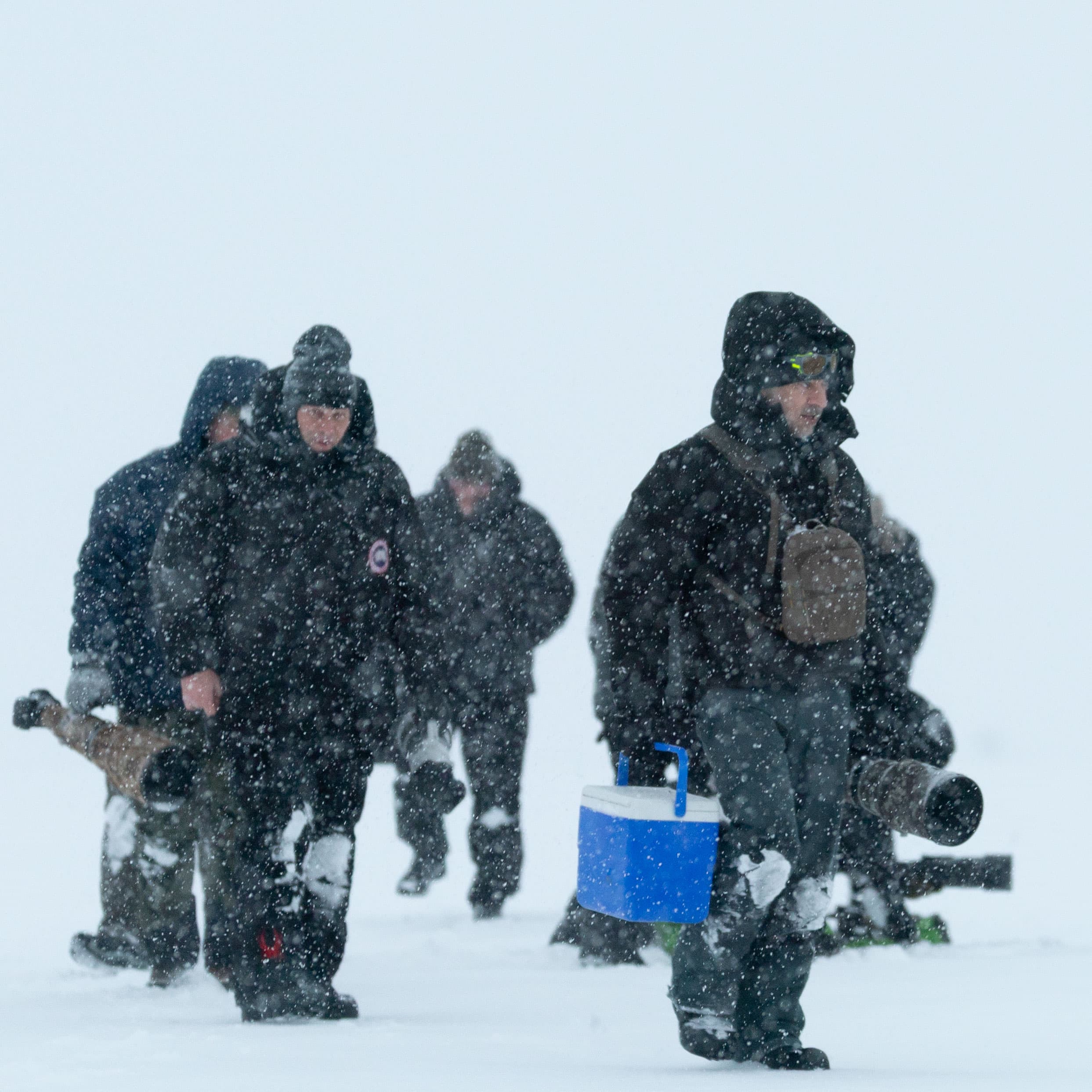
Local guides with a photographic eye
Finding the animal is only the beginning. We work with local guides who understand photography, so the vehicle, hide, or group is placed correctly from the start.
Not too close just because it is possible. Distance must fit lens, behaviour, and image idea.
Light, background, and angle often matter more than the sighting itself.
When the guide understands a photographer’s needs, we can work immediately instead of explaining in the moment.
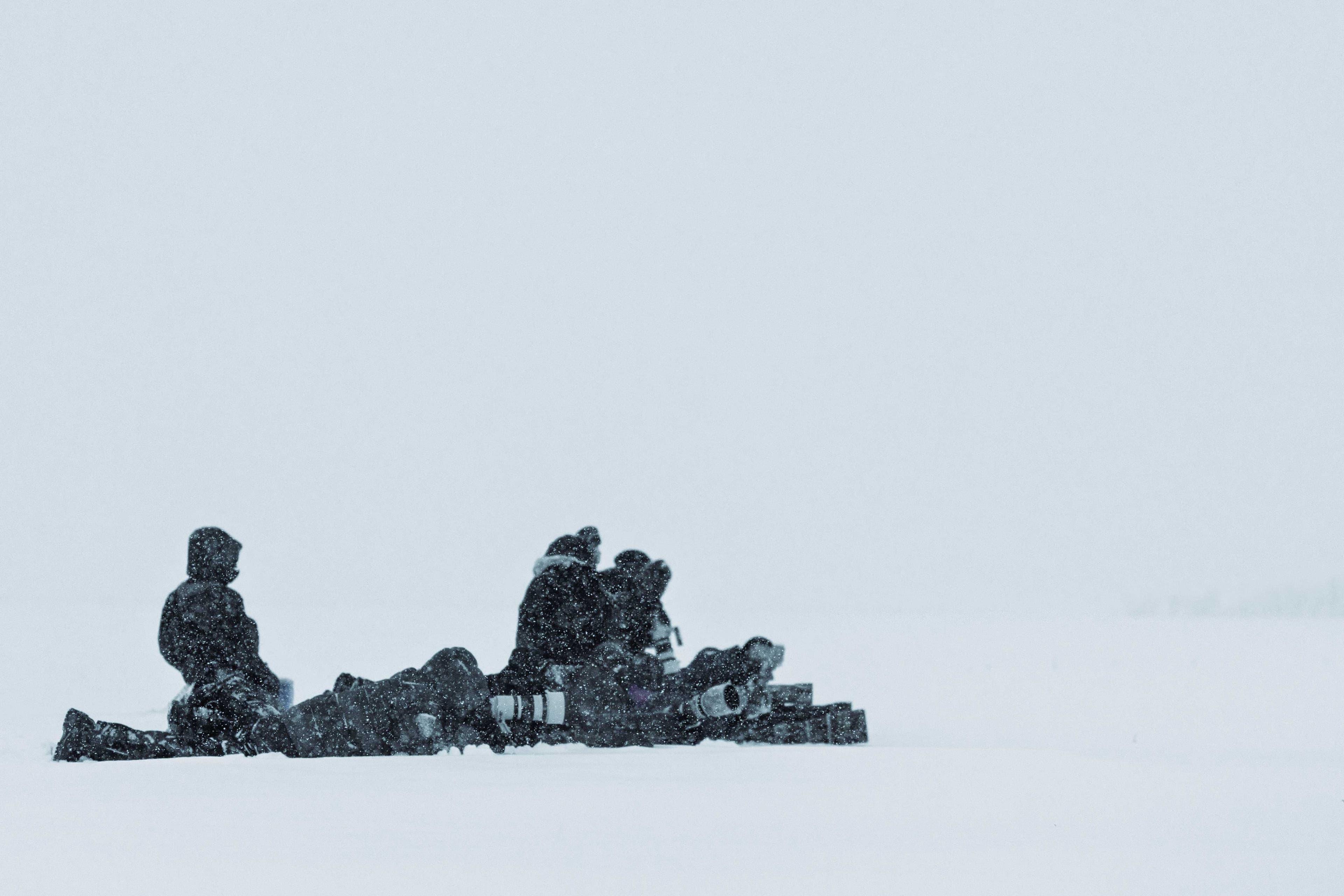
In the field
The moment behind the image
The result
The image that tells the story
Close, but safe
Strong wildlife encounters should be planned, not gambled. We work with the right distance, experienced guides, and clear boundaries so participants can photograph close with respect for the animal.
We weigh species, behaviour, lenses, and safety margin before moving closer.
If the animal changes behaviour or the angle is wrong, we would rather back off than pressure the situation.
The goal is natural behaviour and safe participants, not getting closest at any cost.
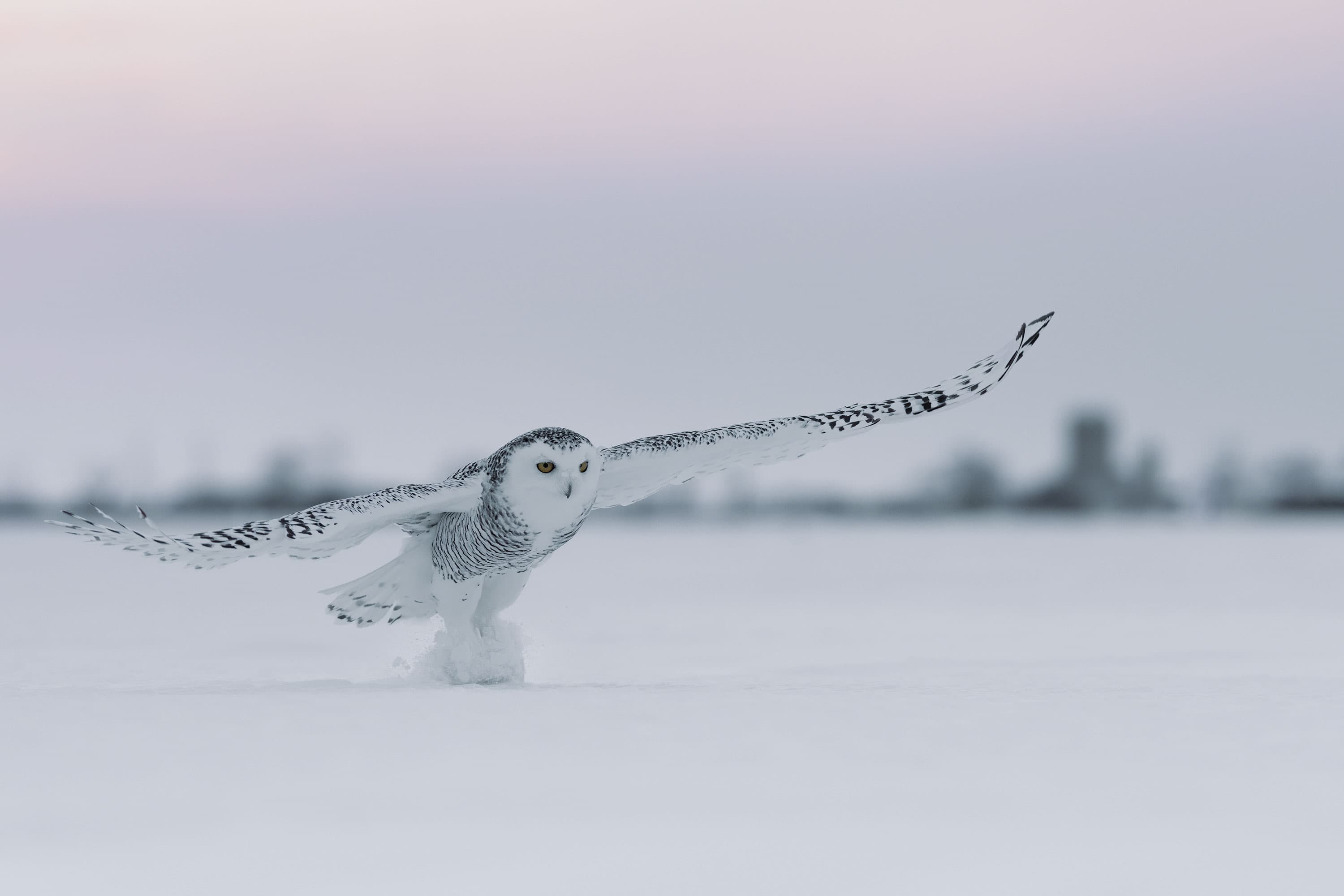
Move with purpose and respect. Learn how to read the wild without disturbing it.
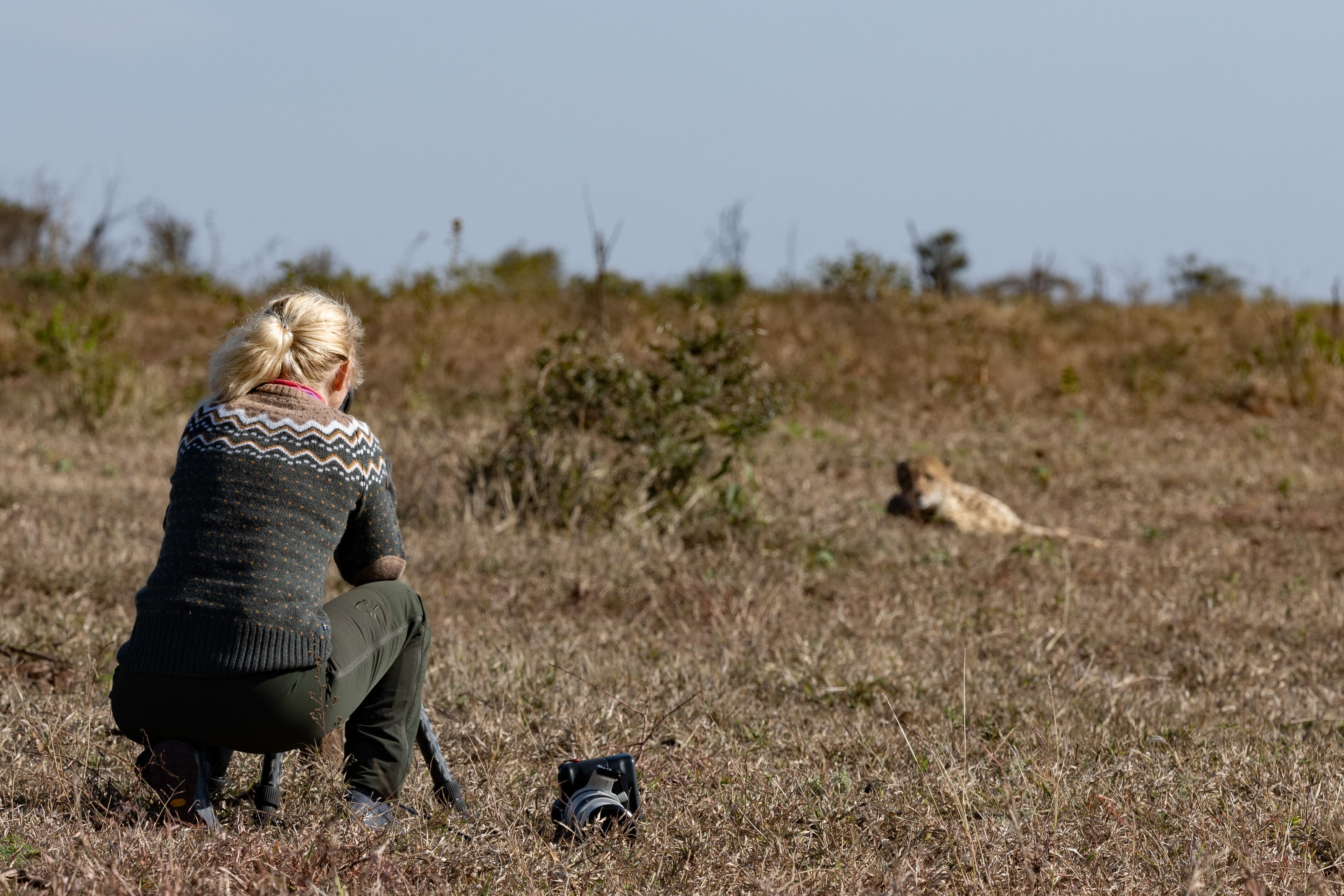
Wildlife does not follow a schedule. Learn when to wait, when to move, and when to stay completely still.
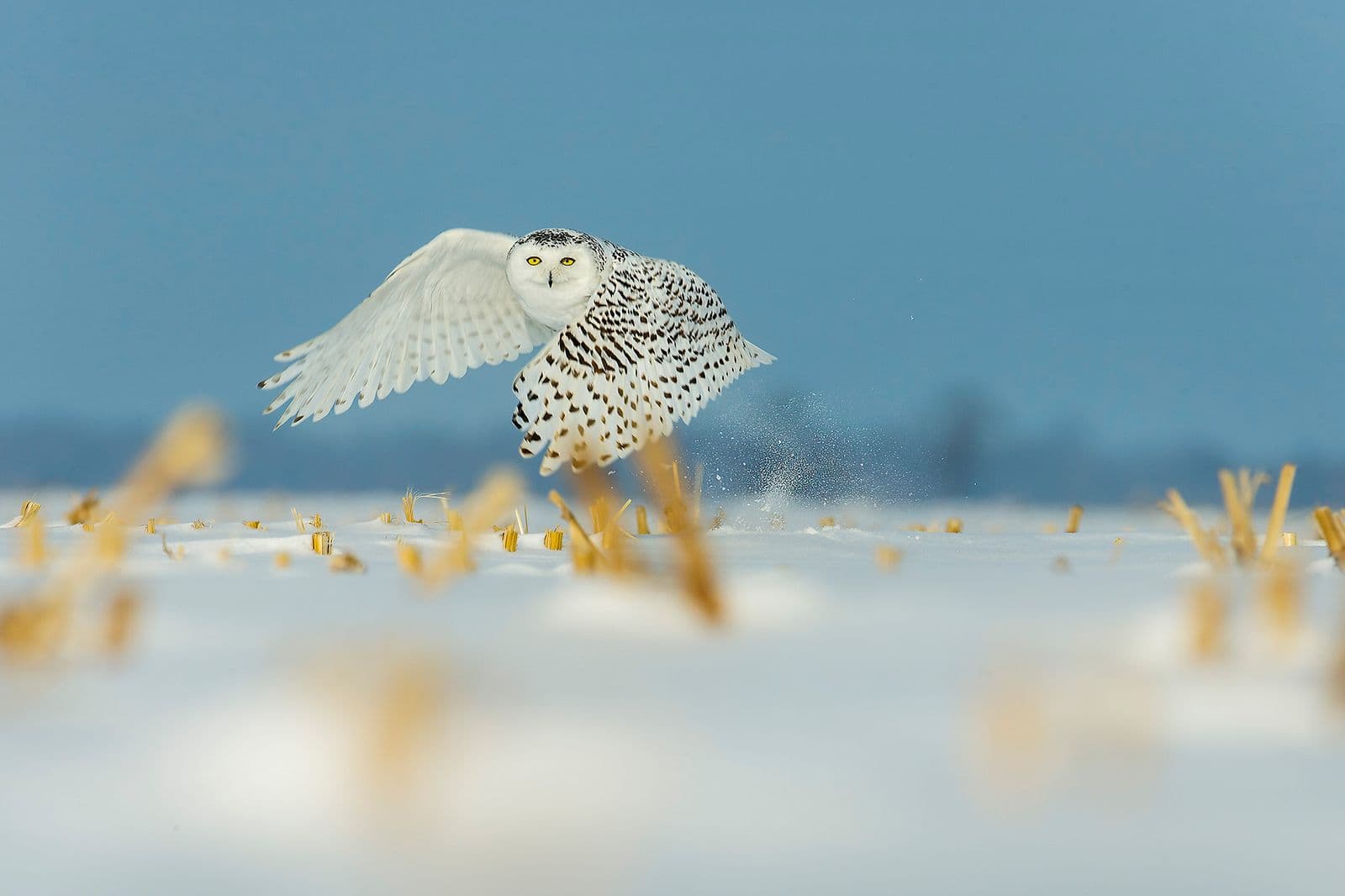
From golden mornings to harsh weather. We work with the light we have, not the light we wish for.
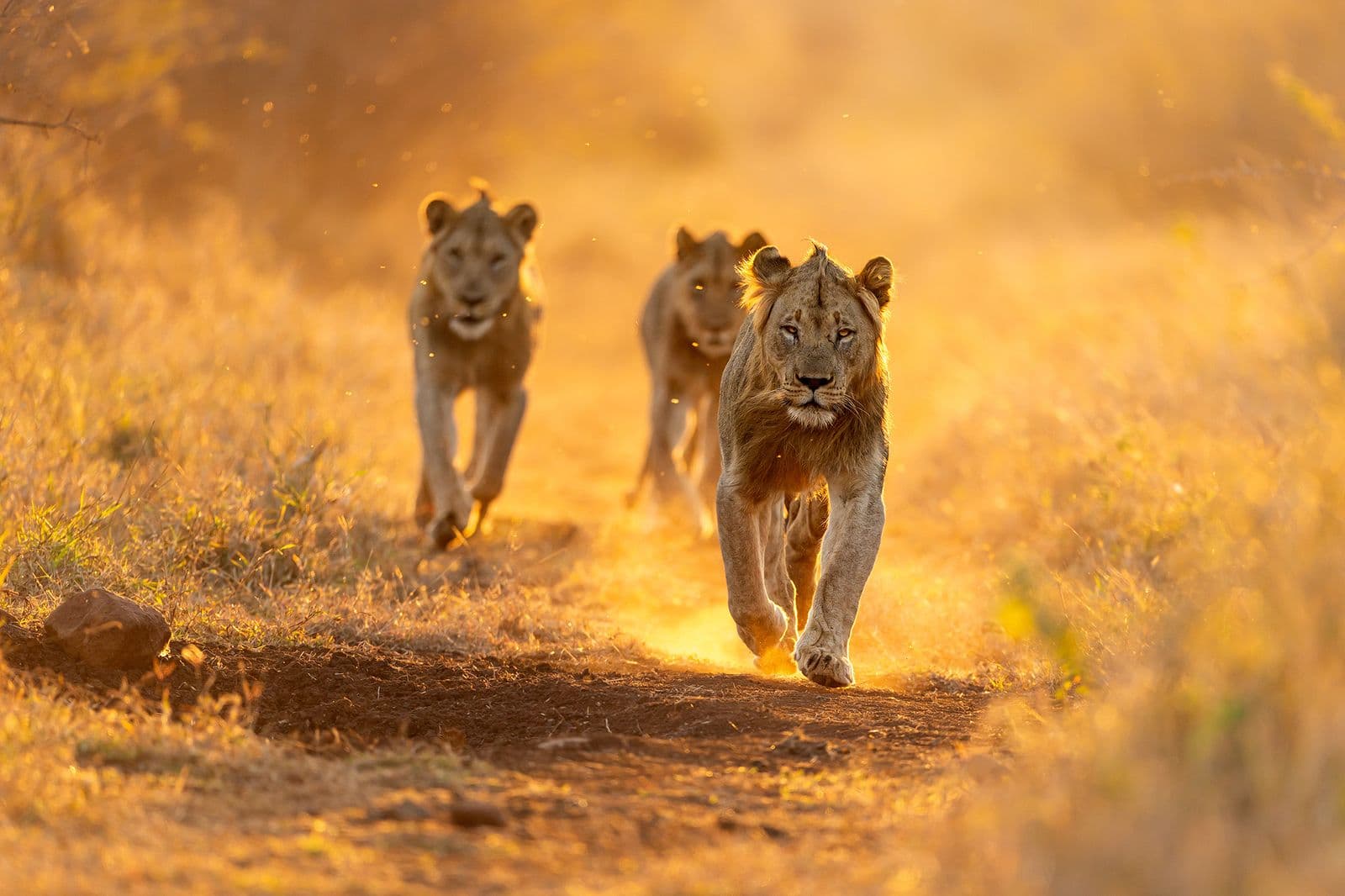
You are not alone when it happens. The team helps you find position, pace, and focus.
We choose local guides who understand light, background, vehicle position, and focal length.
05:00
We are in place before the light arrives, with positions chosen and cameras ready.
06:30
Focus on light, behaviour, and small decisions that shape the image.
10:00
Back for breakfast, conversation, and what the morning taught us.
11:30
Time to rest. Empty memory cards and charge batteries.
16:00
Back out when the light softens and new behaviour can begin.
19:00
We work with direction, background, and the last minutes of light.
21:30
The day’s decisions become learning for tomorrow’s new opportunities.
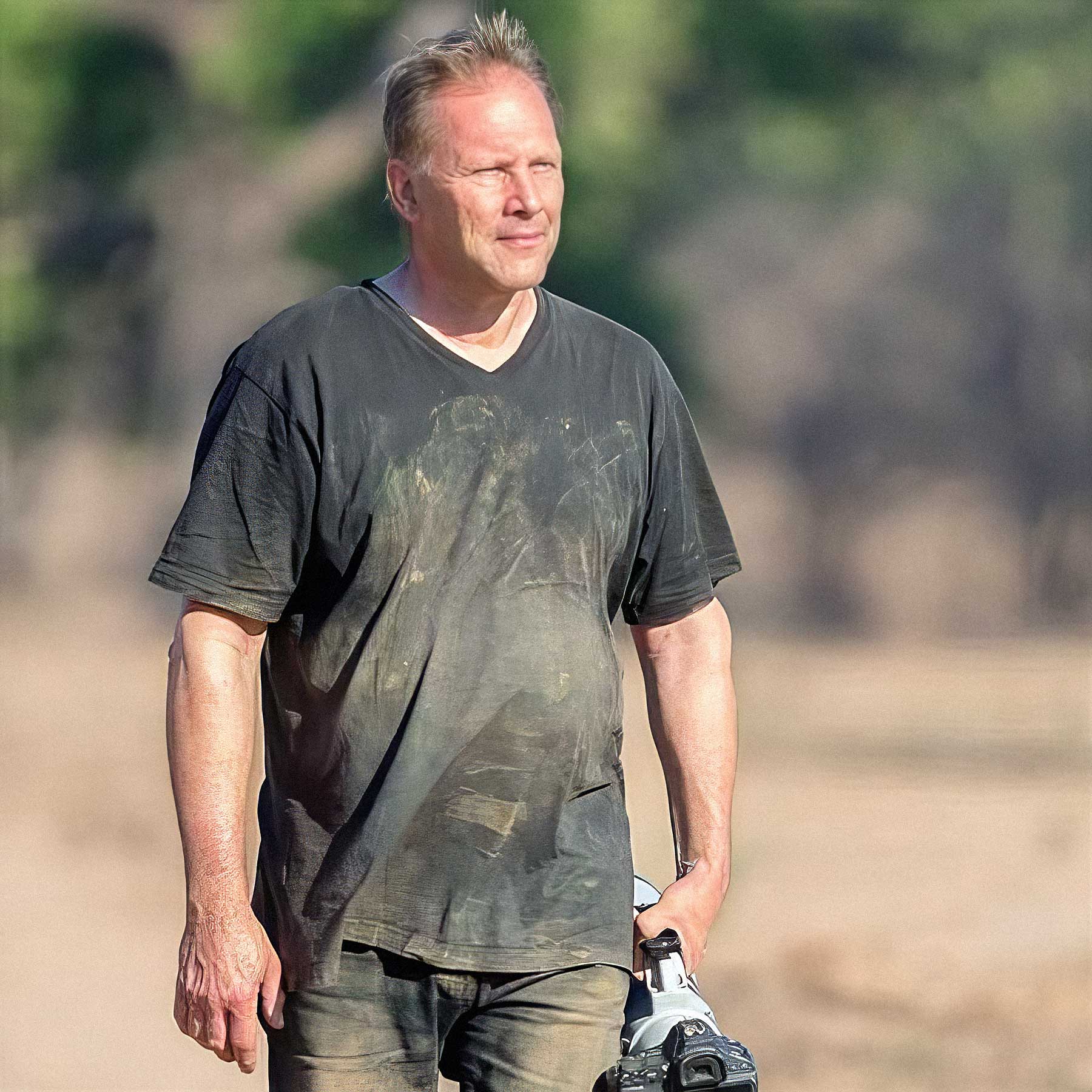
“The place alone does not make the image. It is the decisions in the field: where you stand, when you wait, and how you read the situation.
Brutus Östling
Founder and photographic lead
The next image opportunity starts here
Travel with photographers who think about light, behaviour, ethics, and story. Not just destinations. Not just species lists. Real opportunities in the field.
See upcoming tours