
Photo tours for nature & wildlife photographers
Find your photo tour
Explore current photo tours, hide workshops and upcoming destinations — filter by place, subject, period and travel type.
Government-backed travel guarantee
Your payment is protected.
Small groups
Typically 6–8 participants per tour.
Photo guides
Experienced photographers who love to teach.
Priority via the interest list
Hear about new tours before everyone else.
Find photo trips
32 trips
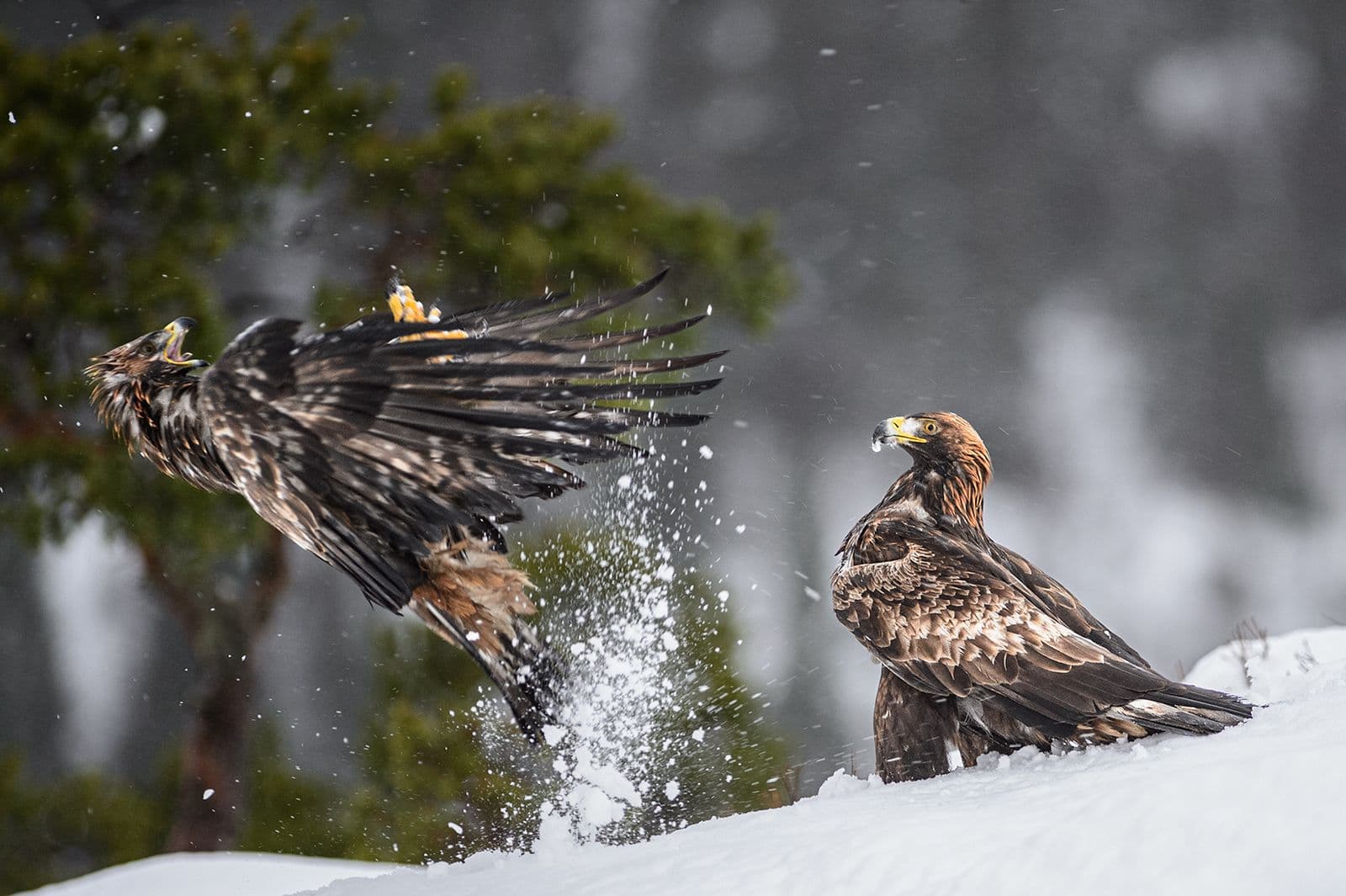
Winter in the Eagle Kingdom
There were so many who wanted to take the last chance so we have agreed with Ole Martin to run one more group.
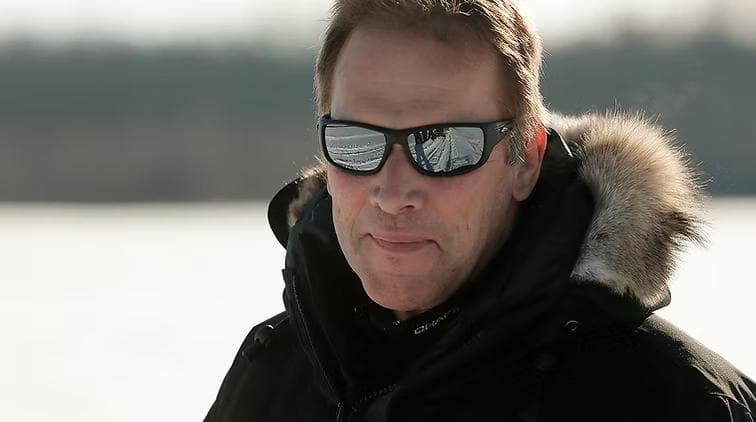
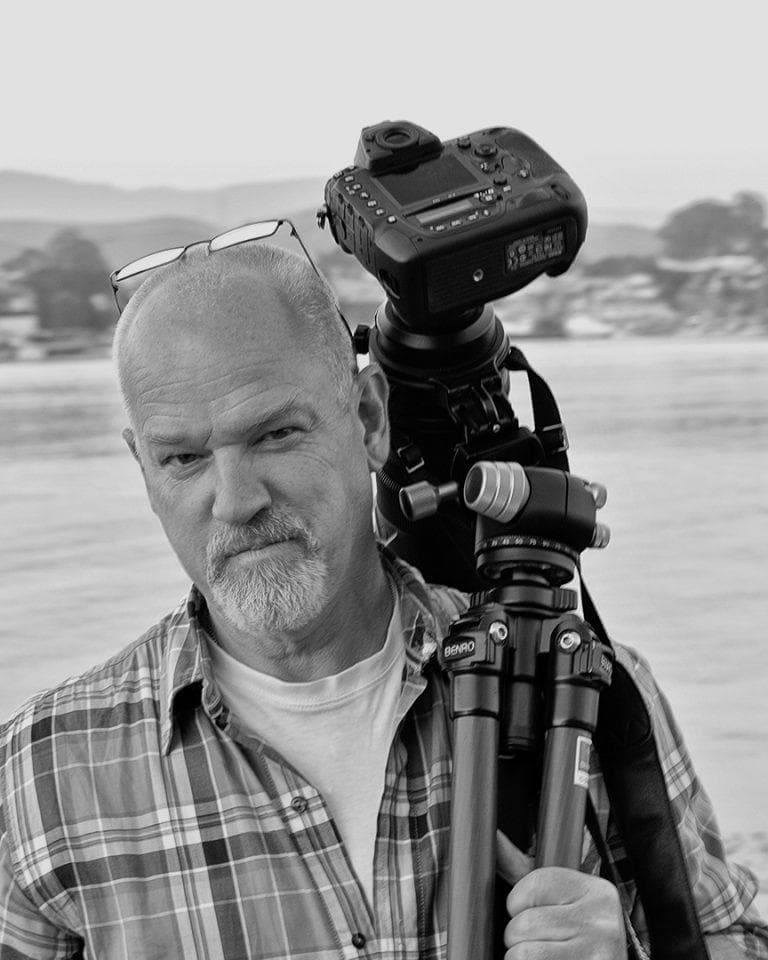 +1Guides: Brutus Östling, Frode Wendelbo, Ole-Martin Dahlé
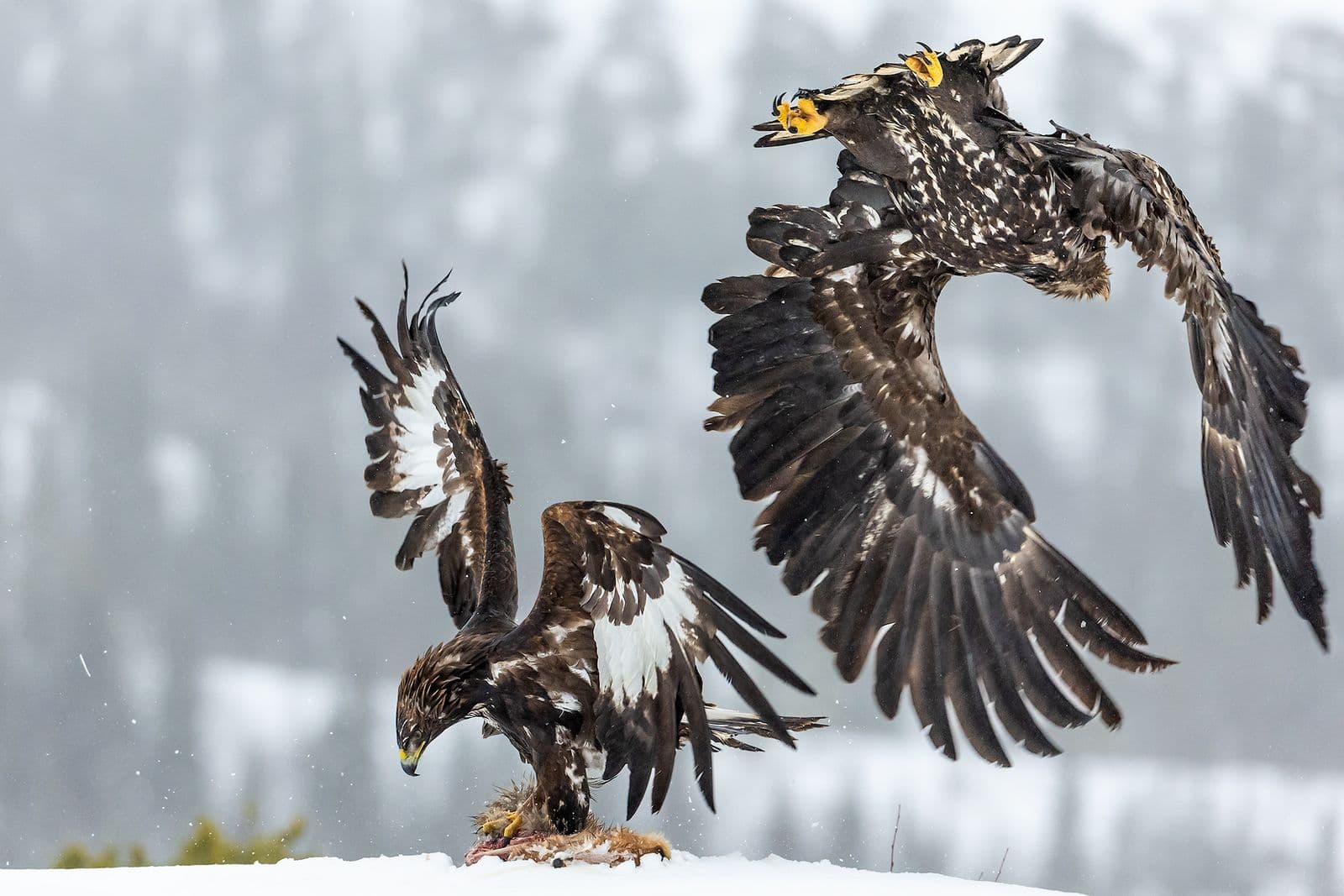
Winter in the Eagle Kingdom
There were so many who wanted to take the last chance so we have agreed with Ole Martin to run one more group.
+1Guides: Brutus Östling, Frode Wendelbo, Ole-Martin Dahlé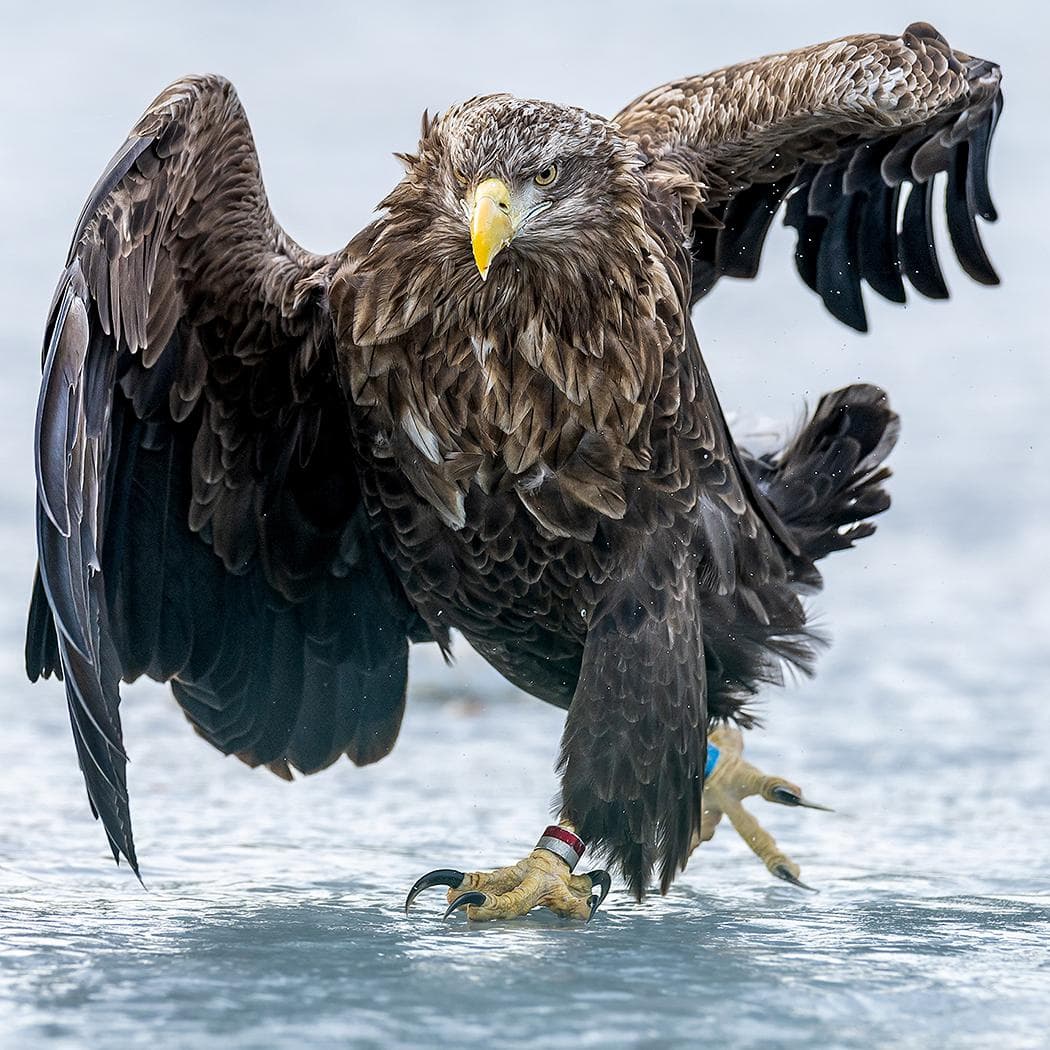
Winter in the Eagle Kingdom
There were so many who wanted to take the last chance so we have agreed with Ole Martin to run one more group.
+1Guides: Brutus Östling, Frode Wendelbo, Ole-Martin Dahlé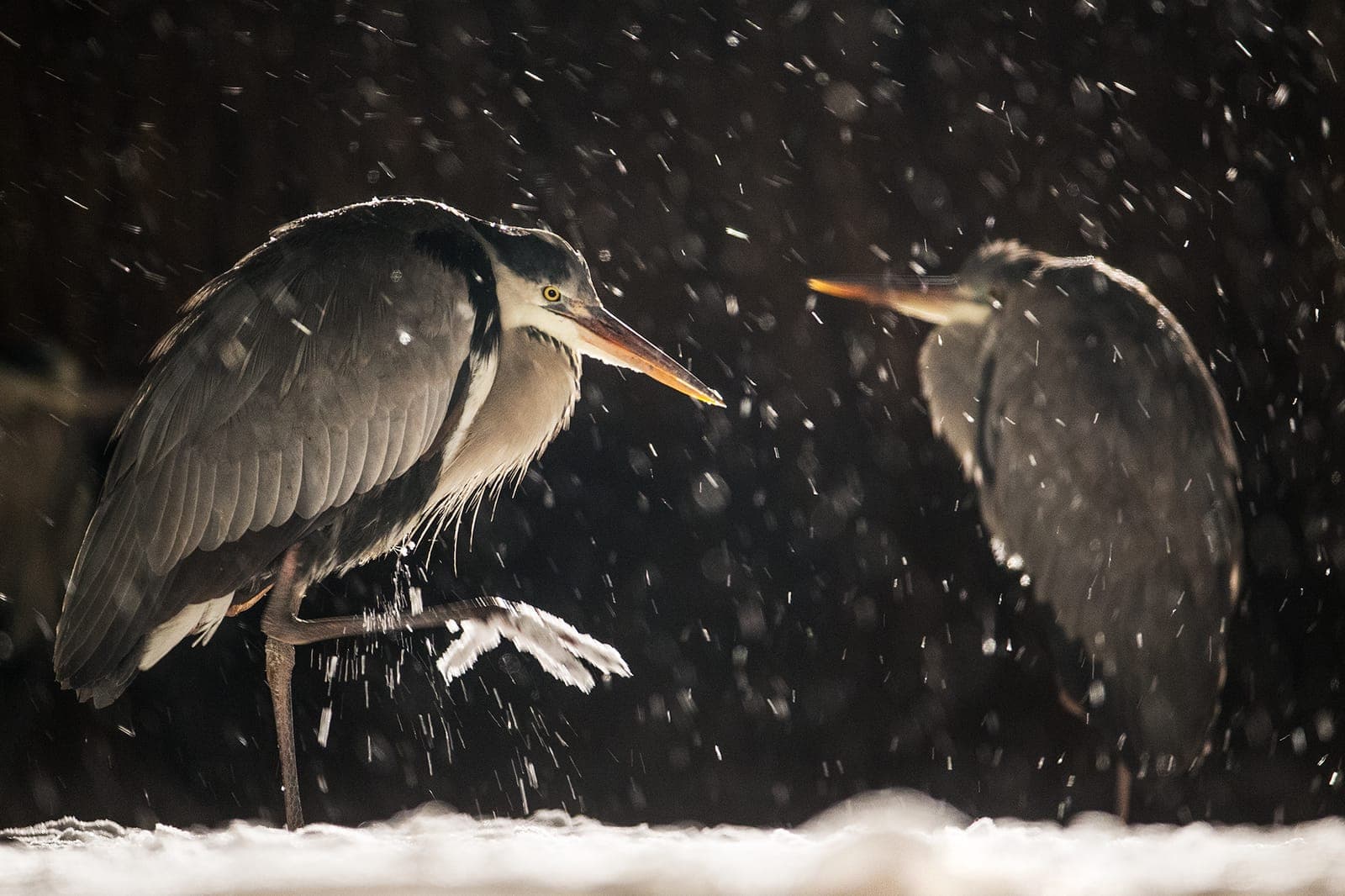
Hungary winter
Photography from the winter hides here at Bence's is an exclusive opportunity. We now invite you to experience Bence Máté's fantastic hides during winter.
Guide: Brutus Östling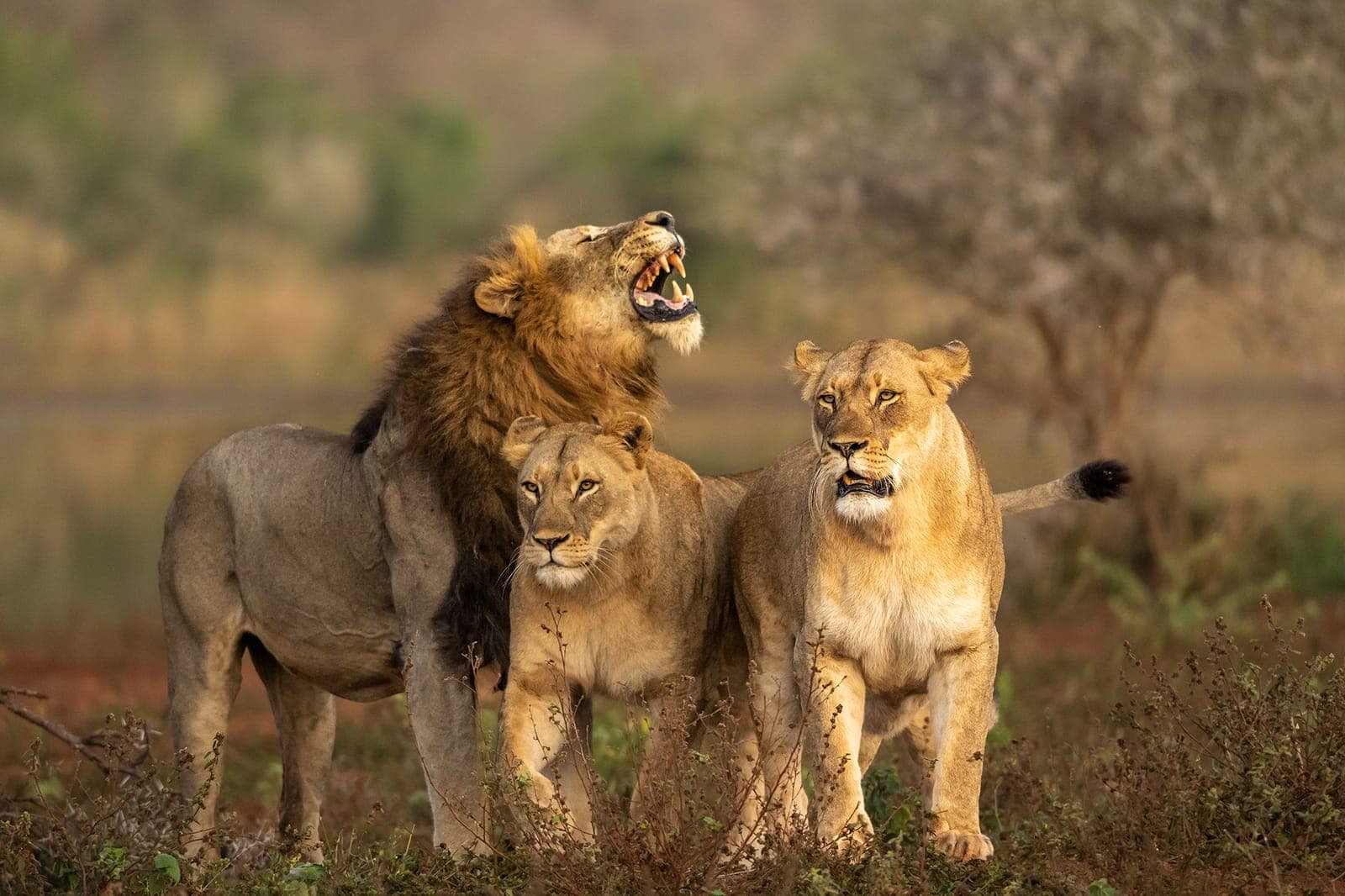
Open for interest registration
wildlife-filming-safaris
Preliminary period
Aug 2028
Indicative price
—
Photo focus
Expedition
Priority when booking opens
Join the interest list on the page and get priority when booking opens.
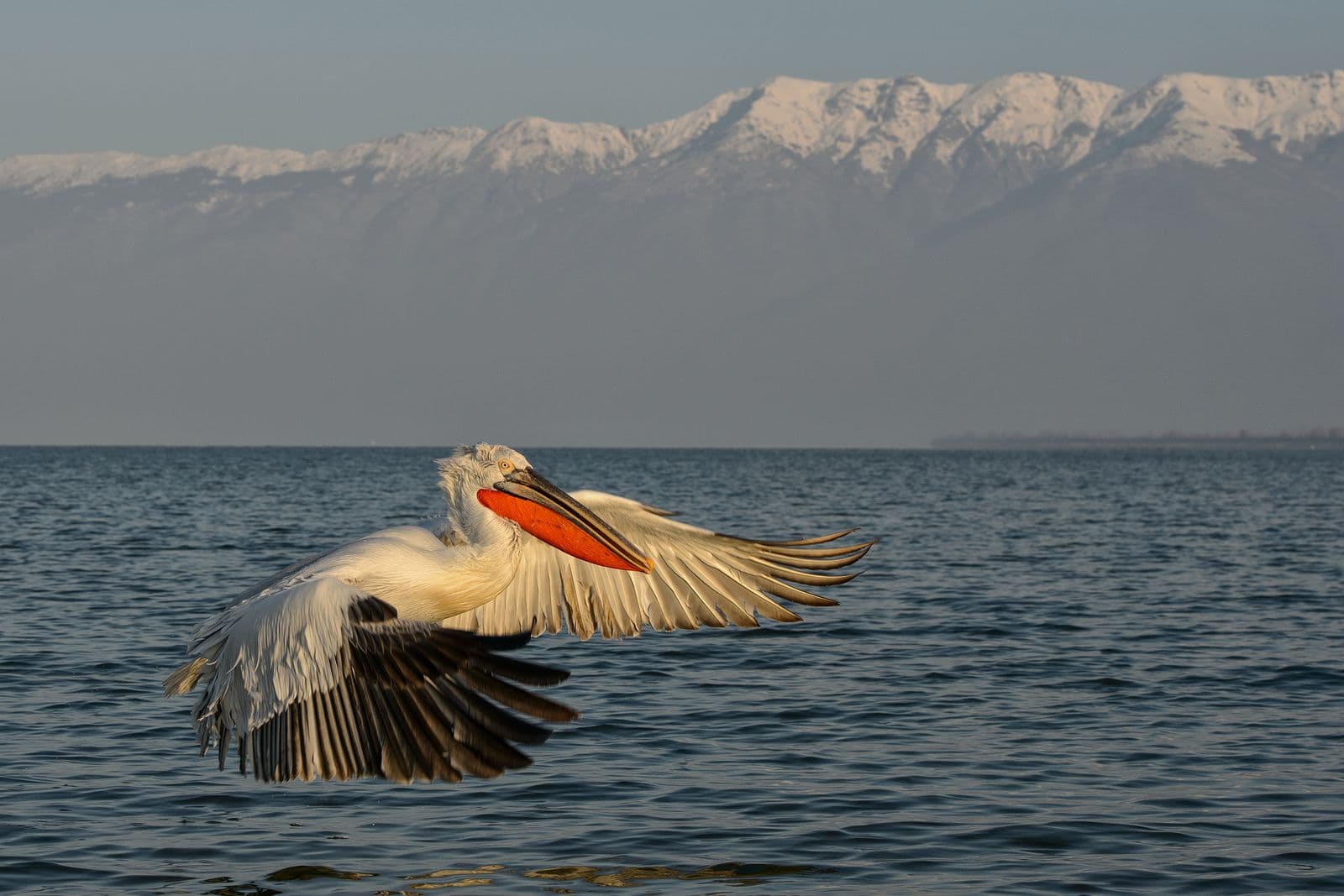
Vultures and pelicans
This trip focuses primarily on large birds, and we travel during the best time.
Guide: Frode WendelboRaptor photography from Brutus' forest hide
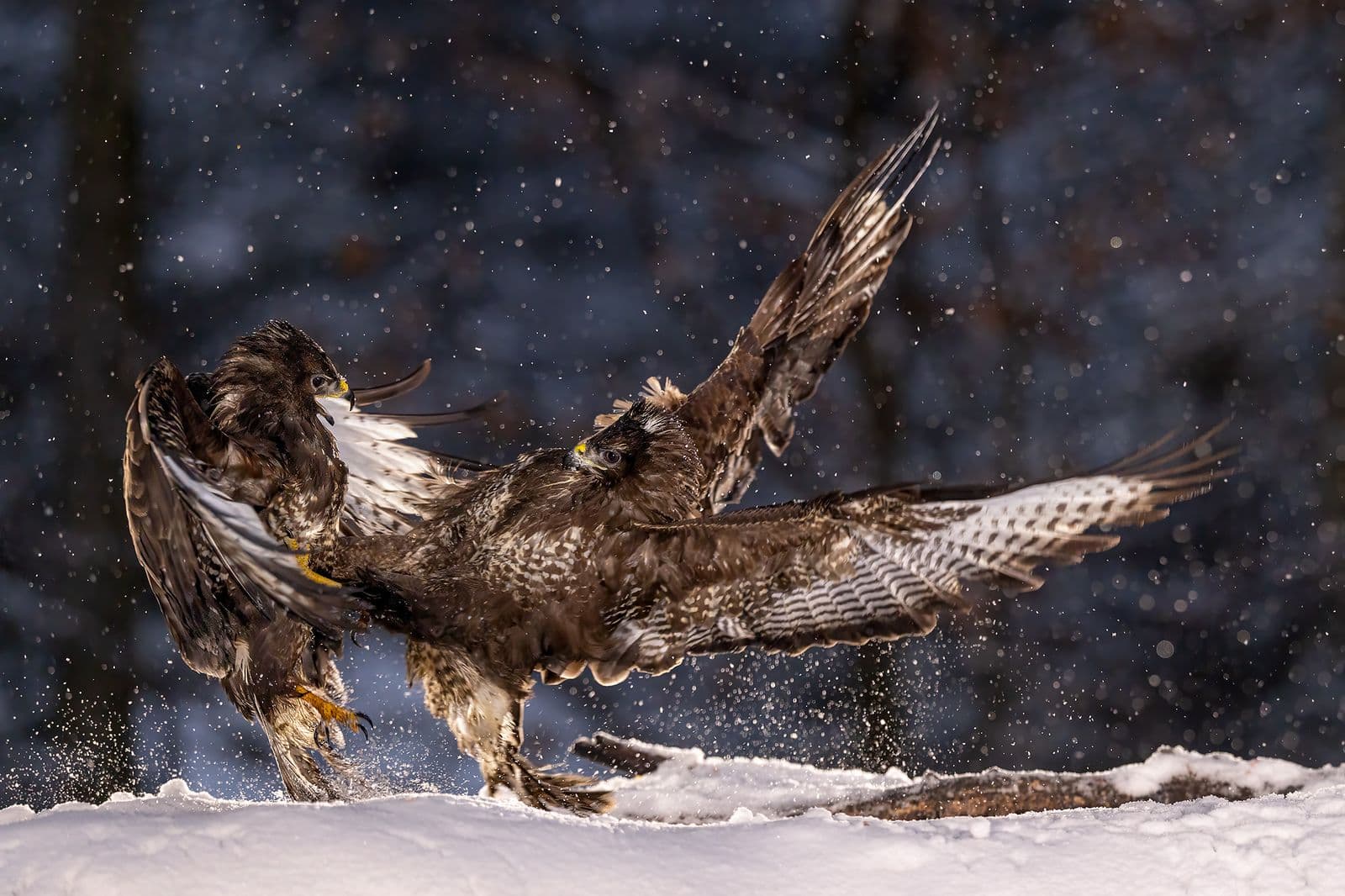
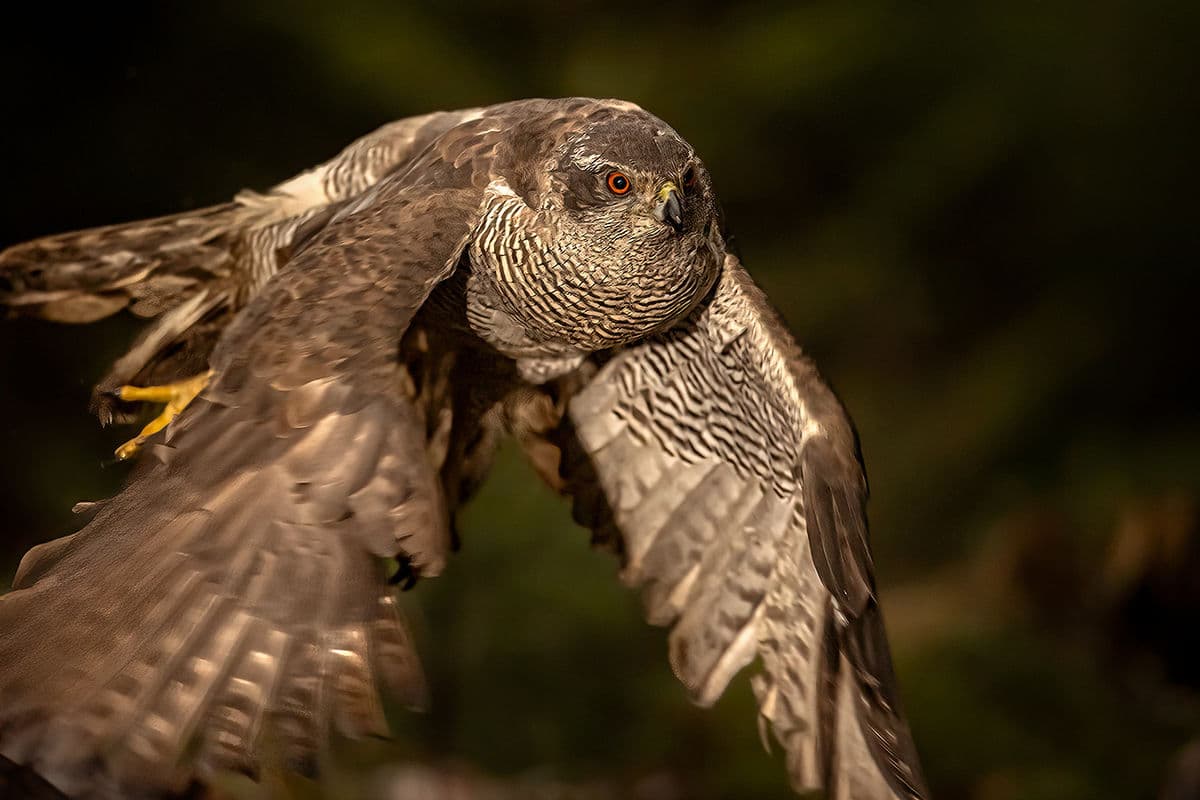
One of southern Sweden's strongest hides for raptor photography. Built for proximity, low angles, snow, rain and action - with very good chances of returning home with images of international quality.
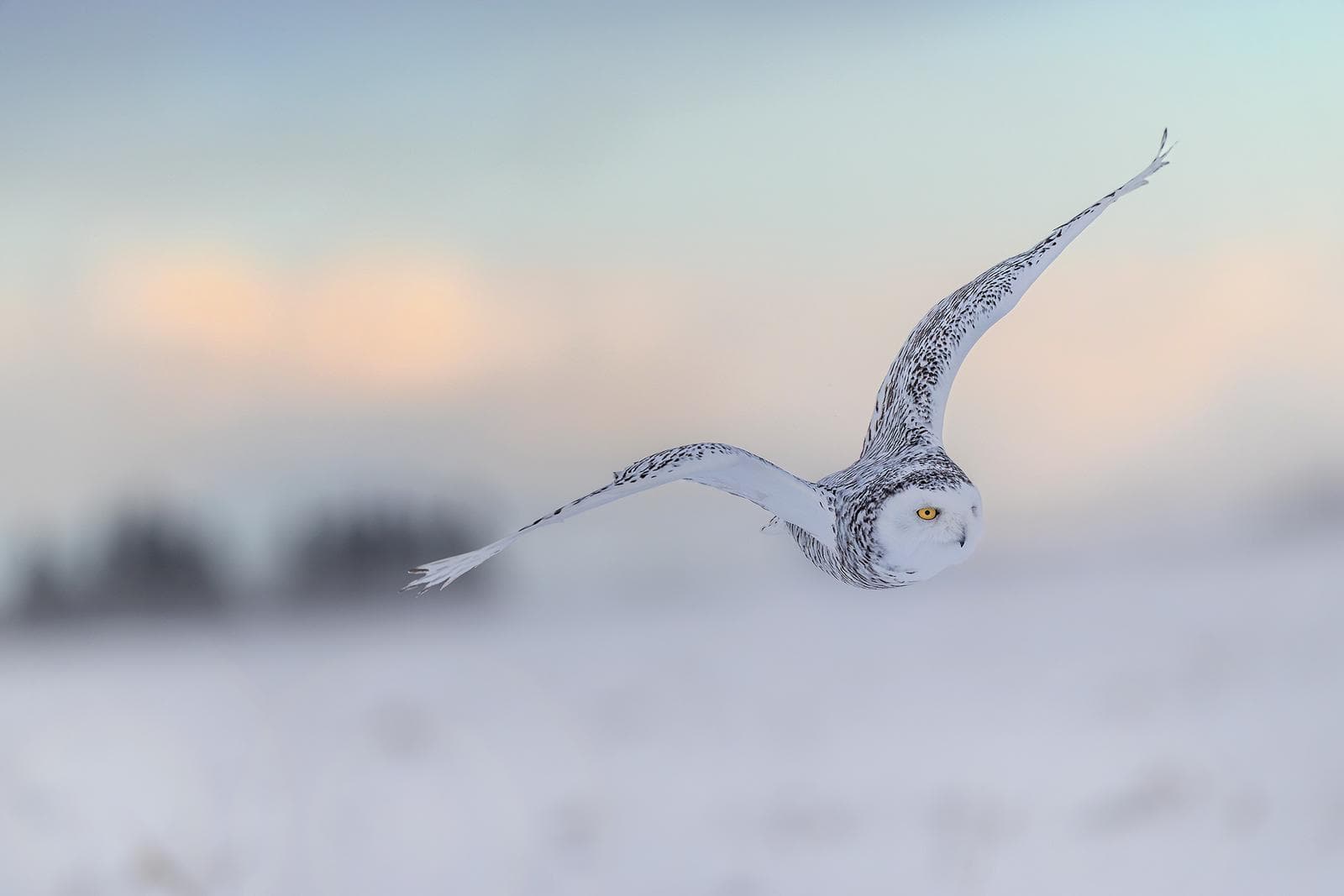
Snowy Owls in Canada
We have set a maximum limit of 7 participants because if we are too many, it becomes crowded for photo positions in certain situations.
Guide: Brutus Östling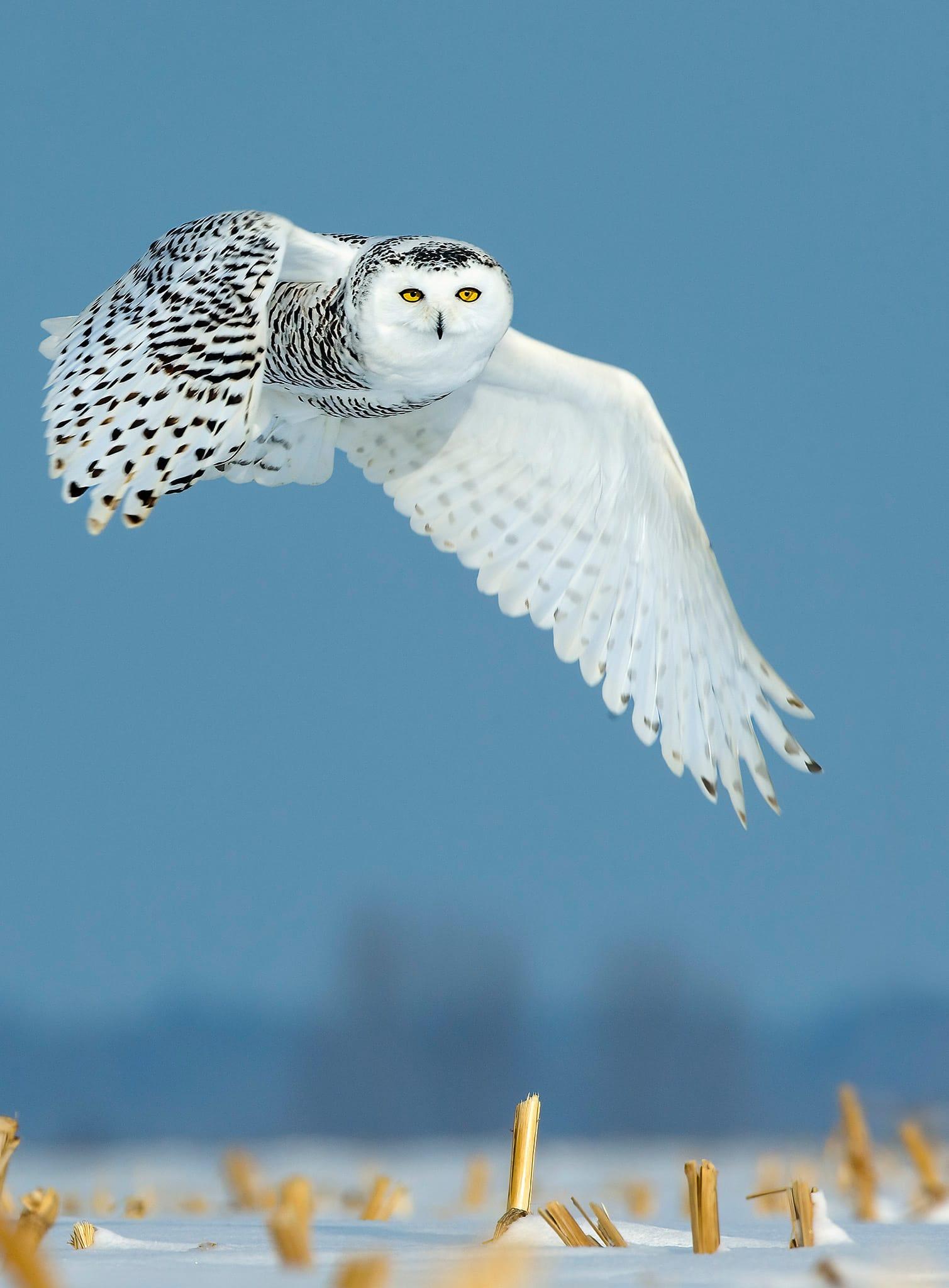
Snowy Owls in Canada
We have set a maximum limit of 7 participants because if we are too many, it becomes crowded for photo positions in certain situations.
Guide: Brutus Östling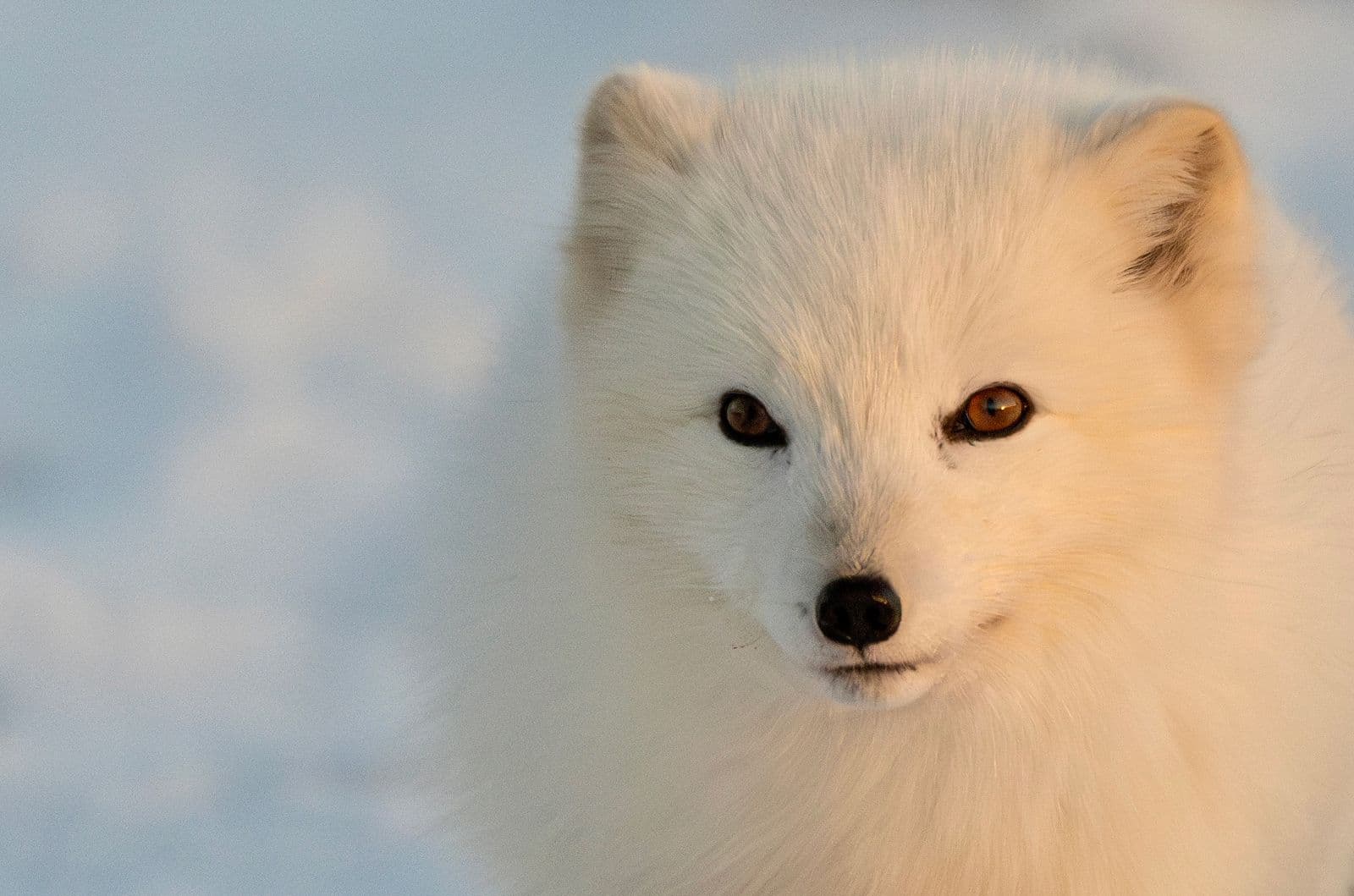
Arctic Fox Iceland
Photograph arctic foxes up close without disturbance High up in northern Iceland lies one of the few places where photographers can experience the arctic fox at incredibly close range.
 Guide: Michael Ahlén
Open for interest registration
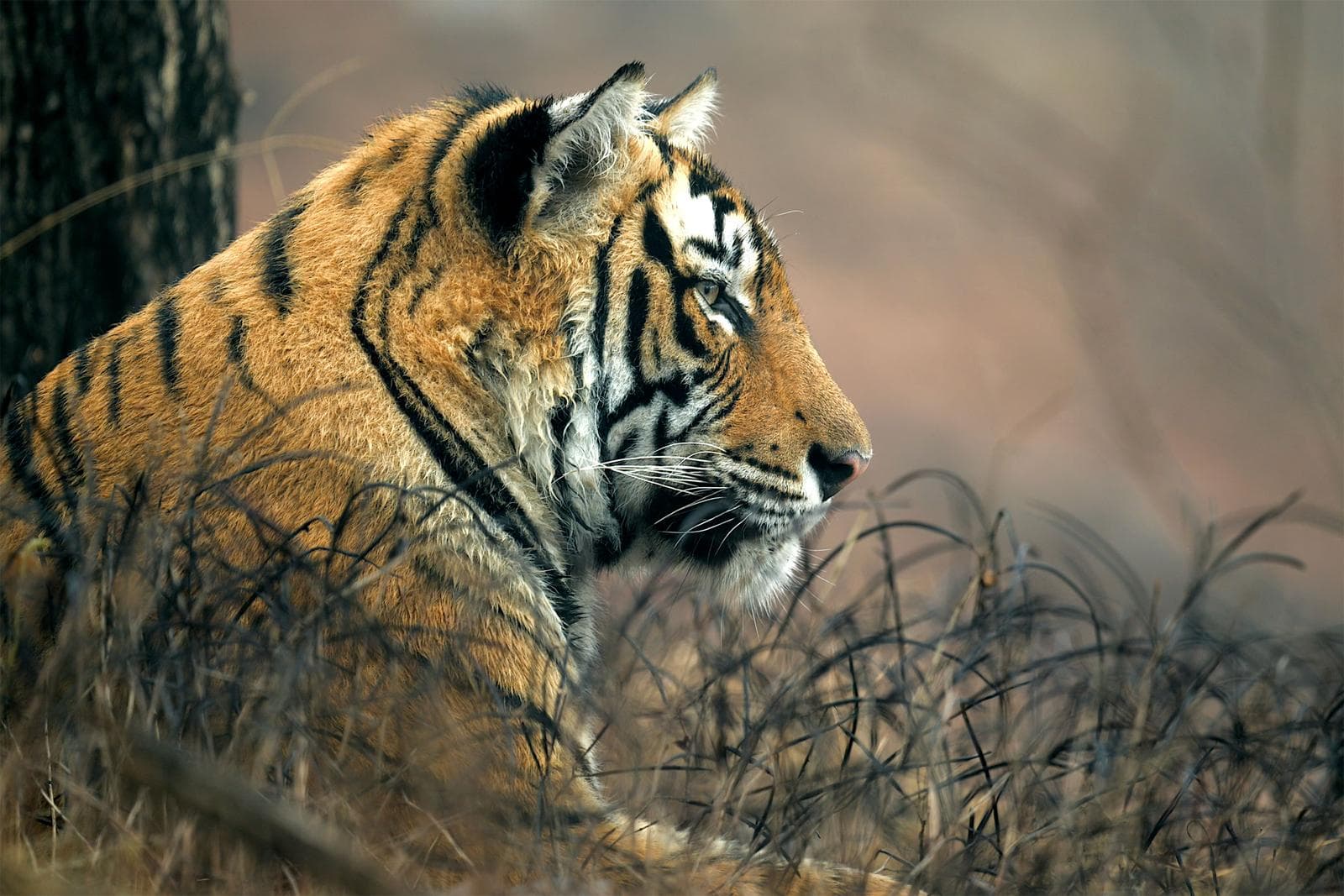
Tiger's Realm – Bandhavgarh
Photography trip to Bandhavgarh, India — the ultimate tiger trip for serious photographers. Exclusive tiger photography in Bandhavgarh – perhaps India's most powerful tiger park Many tiger trips to India have long followed the same recipe: several parks, transfer days, cultural elements and standard morning and afternoon safaris. This can offer a broad travel experience – but more variety does not automatically mean better photographic opportunities. For serious wildlife photographers, the most important question is not how many stops are in the program. What matters is time in the right park, the right light, the right vehicle, the right guides and maximum flexibility when the tiger activity actually happens. FocusRAW chooses a different path This trip is planned for photographers who want to focus 100% on Bandhavgarh – one of India's absolute foremost tiger parks, known for its high tiger density, its dramatic nature and its very strong opportunities for Bengal tiger at close range. Here, everything is about maximizing time in the field and creating the best possible conditions for strong images. No filler days. No unnecessary stops. No compromises. Just tiger, wildlife and photography at a high level. Why Bandhavgarh? Bandhavgarh has a fascinating history. The area was long connected to the maharajas of Rewa, became a national park in 1968 and is today one of the most iconic areas in India for tiger photography. The landscape is a big part of the experience: dense sal and bamboo forests, open grasslands, misty mornings, ancient ruins and the mighty Bandhavgarh cliff that rises above the park. As we search for tiger, we also encounter rich wildlife: Leopard, sloth bear and Indian wild dog, dhole Axis and sambar deer, nilgai and gaur Rhesus macaque, langur and rich birdlife with peacocks, eagles, raptors and colorful forest species But what truly sets this trip apart from many other tiger trips is not just the destination. It is the setup inside the park. Genuine full-day safaris – the trip's major premium advantage We plan for several genuine full-day safaris with special full-day permits – one of the most exclusive permits you can obtain in Bandhavgarh. This is not the same as the standard morning and afternoon safaris that are sometimes carelessly called “full-day safari with a couple of hours of rest in the middle of the day between safaris”. Most operators run the standard setup: into the park early in the morning, out again around 10:30–11:00, and then back only later in the afternoon. That can work well. But it also means you have to break off in the middle of the day – sometimes just as tracks, sightings or tiger activity start to become really interesting. With full-day permits we get the opportunity to stay inside the park during the hours when most other jeeps have to leave. This gives us more time, greater flexibility and a completely different opportunity to work photographically with the situations that arise. The number of full-day permits is extremely limited. Normally there are only a handful of such permits per day, which makes them both exclusive and sought after. The permits also cost several times more than ordinary safari passes – but for serious tiger photography they can be absolutely decisive. More than just more hours. For us, full-day permits are not just about spending more time in the park. With ordinary safari passes you normally choose one of the park's zones in advance and are then tied to that zone during the morning or afternoon session. With full-day permits we get a completely different flexibility. We can work more strategically throughout the day, we have permission to move between zones, follow up tracks and sightings, shift focus when conditions change and stay on when other vehicles have to leave the park. For tiger photography this is an enormous difference - it is the difference between a dedicated photo trip for tiger and a tourist trip with a chance to capture a tiger on camera. In the middle of the day, when most other vehicles are out of the park, the pace can become calmer, the pressure on the sightings lower and the photographic opportunities considerably better. This is where the real value of the trip lies – in an uncompromising photo focus where every decision is made to maximize your chances of coming home with a really strong tiger portfolio. More time. More freedom. Fewer interruptions. Greater chance of being there when something actually happens. Built for wildlife photographers – not for a standard program During the regular morning and afternoon safaris, we deliberately keep the jeeps exclusive: a maximum of two photographers per vehicle, so that each participant gets their own row of seats, plenty of space for camera equipment and full freedom to work toward the subject. On the full-day safaris, we maintain an exclusive setup with up to a maximum of four photographers per vehicle. The full-day permits are very limited and cost several times more than ordinary safari passes, and therefore we place the value where it makes the greatest difference for the photography: on several full days in the field, more time with tiger and more chances when the truly strong image opportunities arise. This is not a trip with many parks, bird days or cultural stops. It is a dedicated photo trip for you who want to maximize time with tiger and other wildlife in one of the world's most iconic environments for wildlife photography. The planned setup Small groups with a maximum of 2 photographers per jeep on regular morning and afternoon safaris Several exclusive full-day safaris with early entry and late exit Accommodation at one of the area's most exclusive boutique lodges, with private villas 100% focus on tiger, wildlife and photography Professional photographic leadership with deep knowledge of the park's animals, light and photographic opportunities Our plan is for approximately half of the safari days to be carried out as exclusive full-day safaris. If we become a group of very dedicated photographers, where the whole or part of the group wants to commit to even more time in the field, the setup can be expanded with more full-day permits. Our focus is always to maximize the opportunities for strong tiger photography – but since a week with only exclusive full-day permits entails a markedly higher cost, our planned base setup is roughly 50/50. If you want to experience the best India has to offer for serious tiger and wildlife photography – without compromises – then this is the trip for you. Registration of interest for 2027/2028 opens now. Limited number of places.
Preliminary period
Mar–Apr 2028
Indicative price
—
Photo focus
Expedition
Priority when booking opens
Join the interest list on the page and get priority when booking opens.
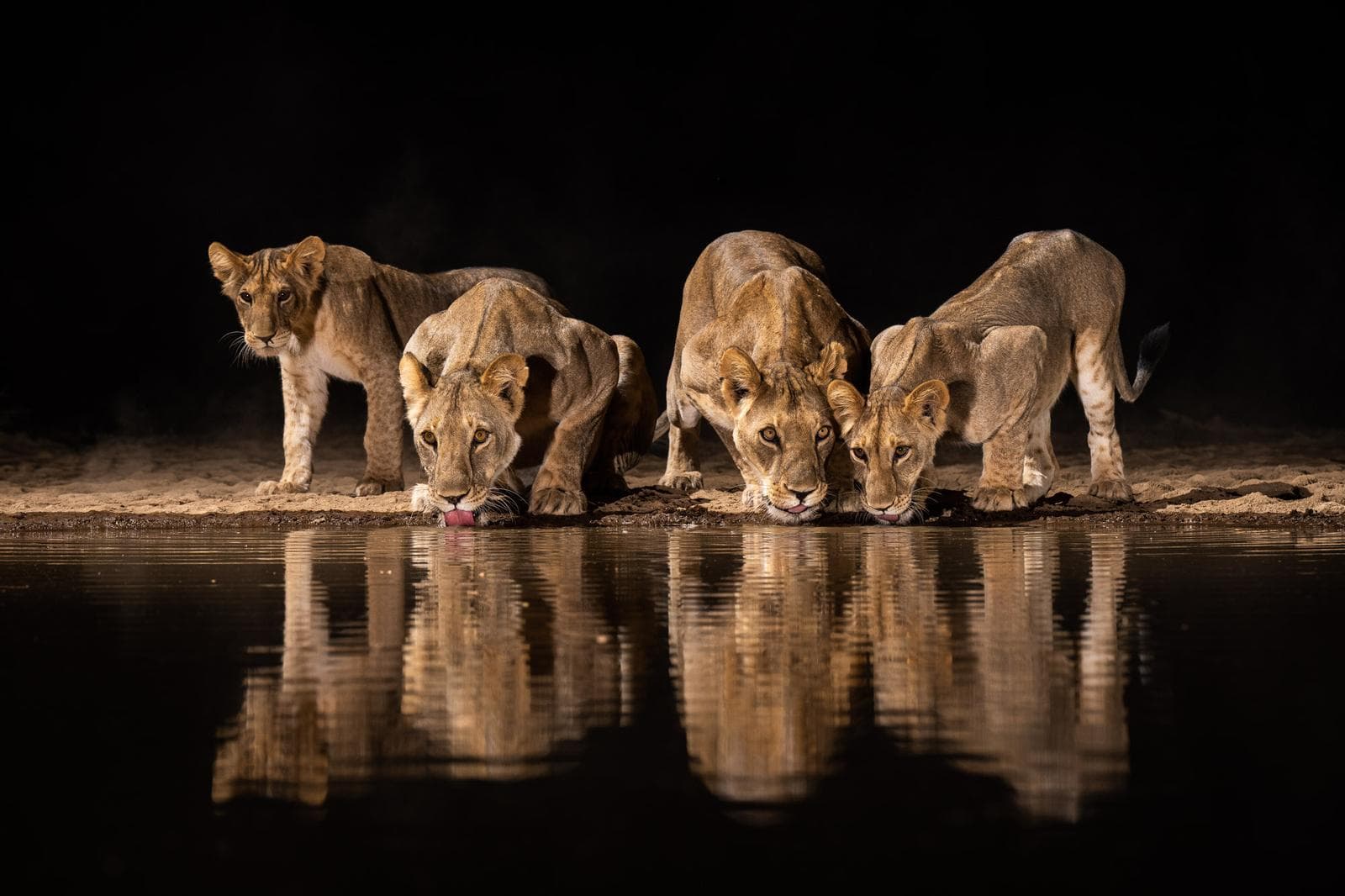
Hide photography in Shompole Wilderness
Guides: Brutus Östling, Michael Ahlén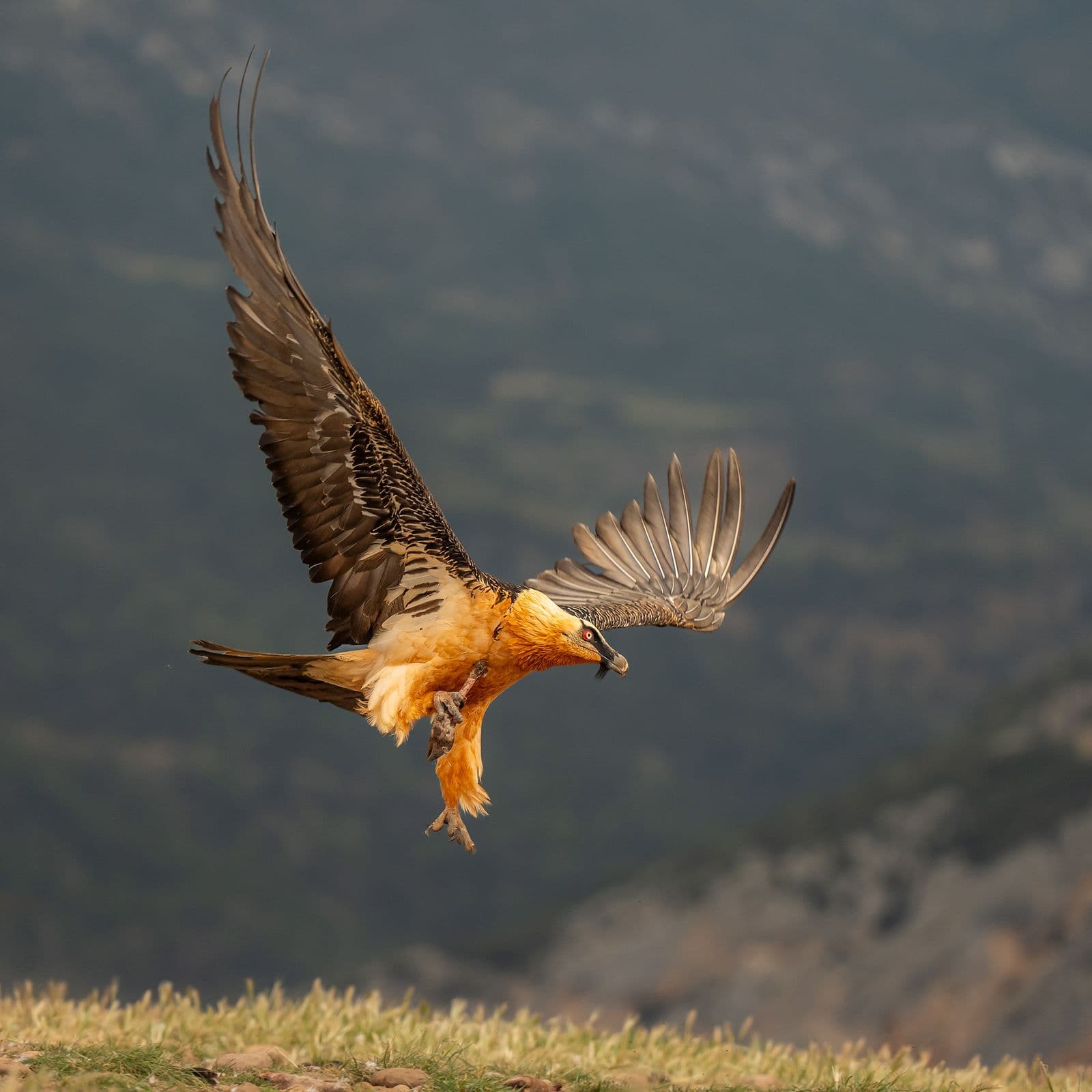
Vulture Frenzy
It's still chilly, at most a few degrees above zero despite it being the second half of April.
Guide: Brutus ÖstlingVulture Frenzy
It is still chilly, at most a degree or so above freezing even though it is the second half of April.
Guide: Brutus Östling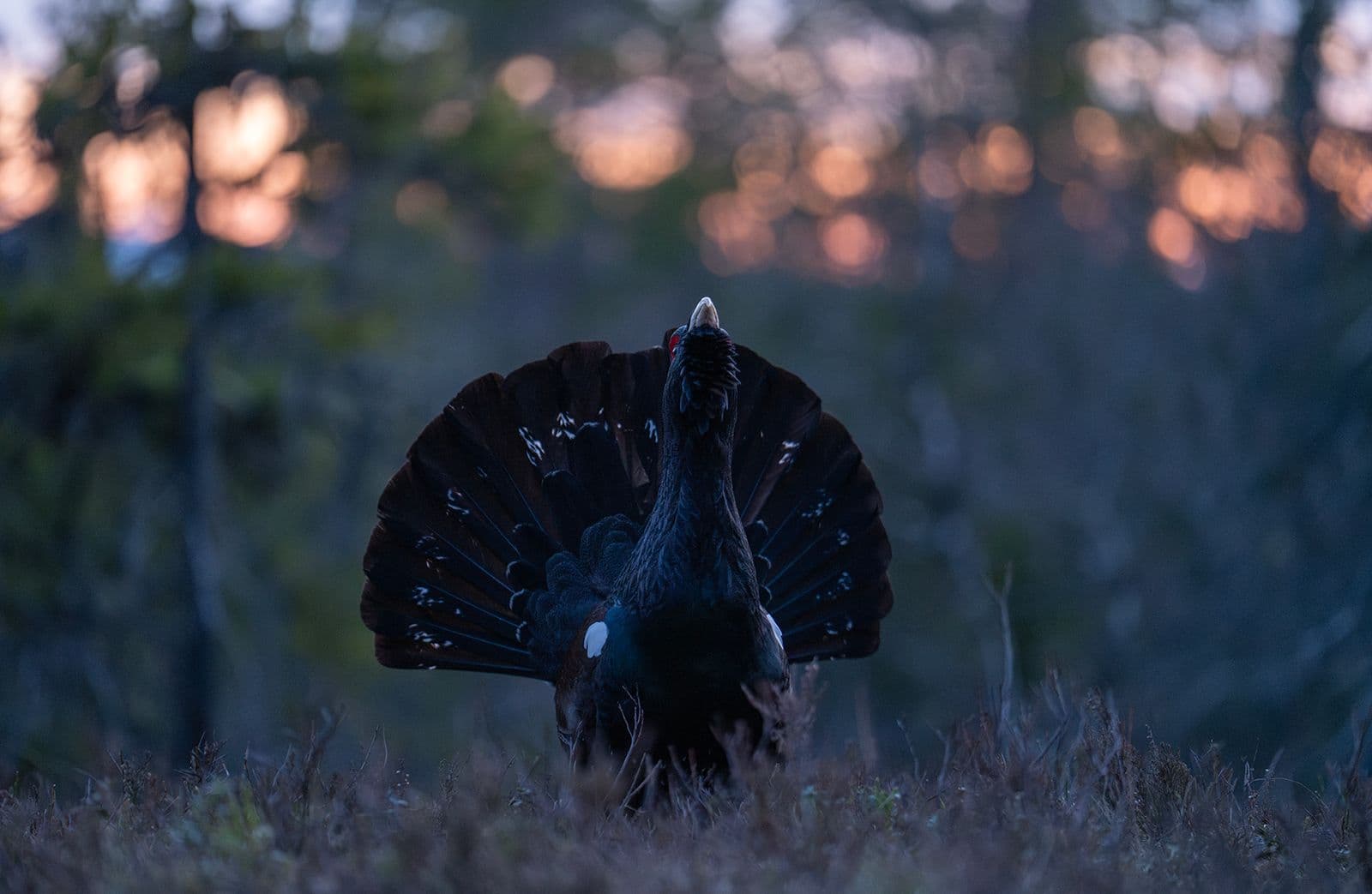
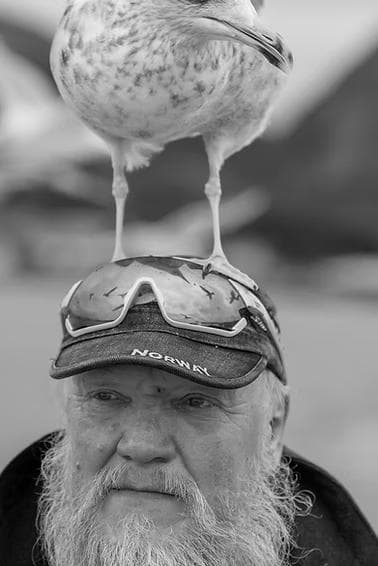
Capercaillie and White-tailed Eagle
FANTASTIC COMBINATION FOR THE WILDLIFE PHOTOGRAPHER! First several nights in exciting Norwegian forest environment with the "tiuren", which is capercaillie in Swedish.
 Guides: Frode Wendelbo, Ole-Martin Dahlé
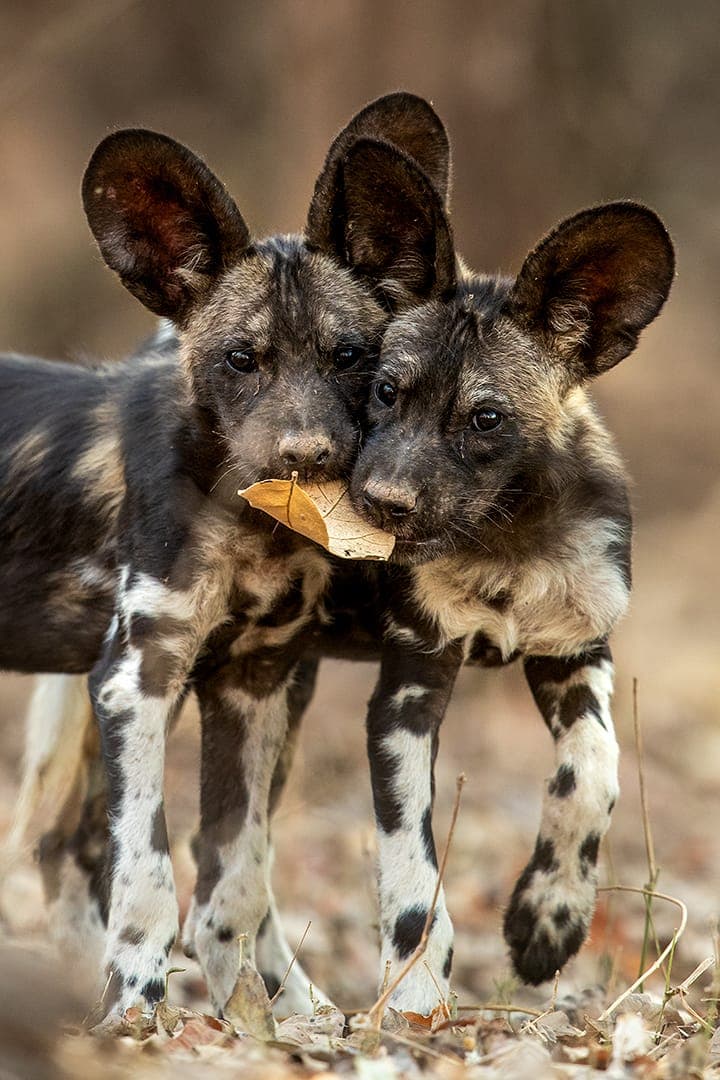
Open for interest registration
lower-zambezi
Preliminary period
Sep 2028
Indicative price
approx. 5,600–5,900 EUR
Photo focus
Expedition
Priority when booking opens
Join the interest list on the page and get priority when booking opens.
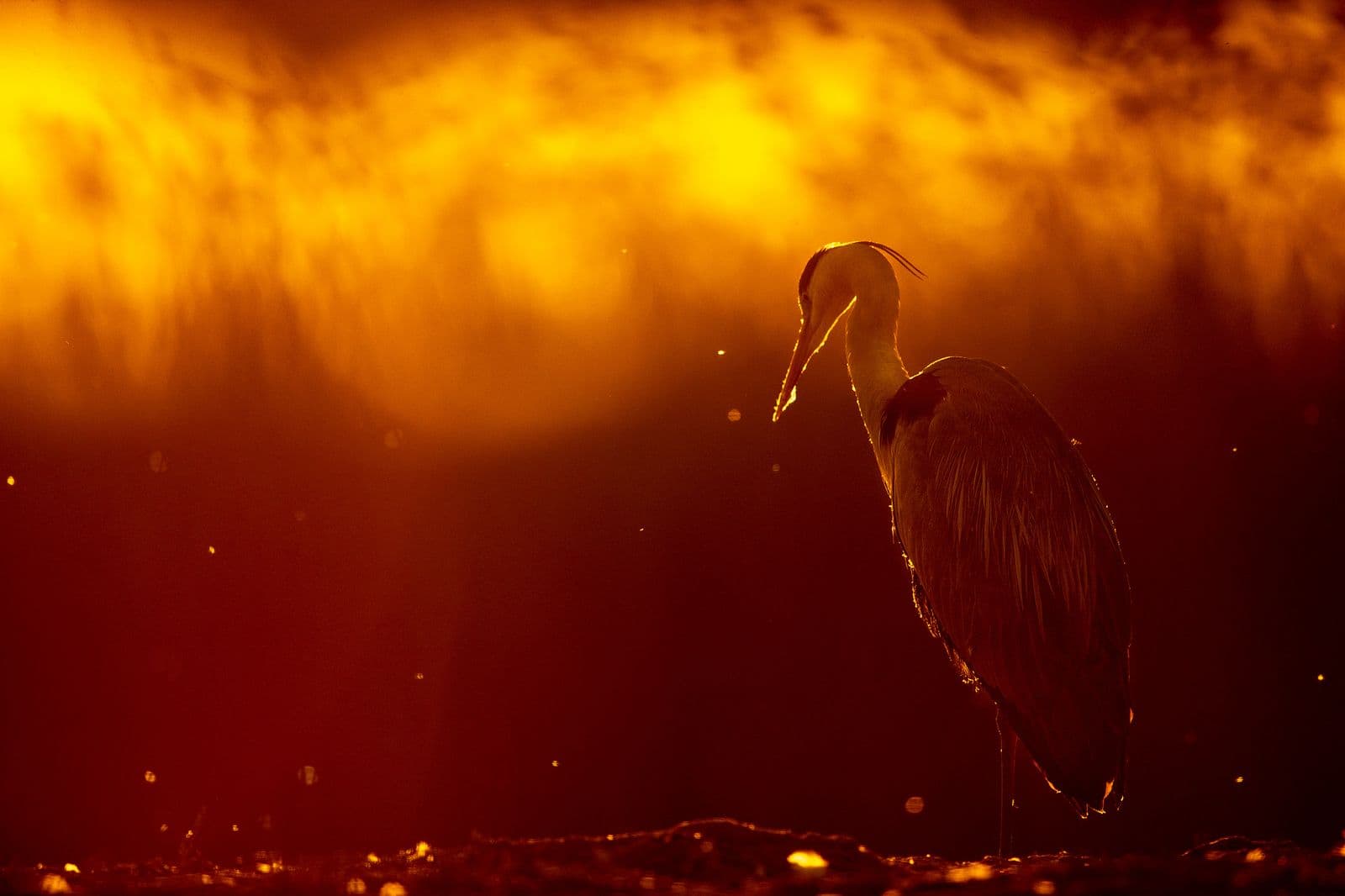
Hungary Spring 2027
Join Brutus to southern Hungary and photograph from the spectacular hides Bence Máté has created in and around Kiskunsági National Park.
Guide: Brutus Östling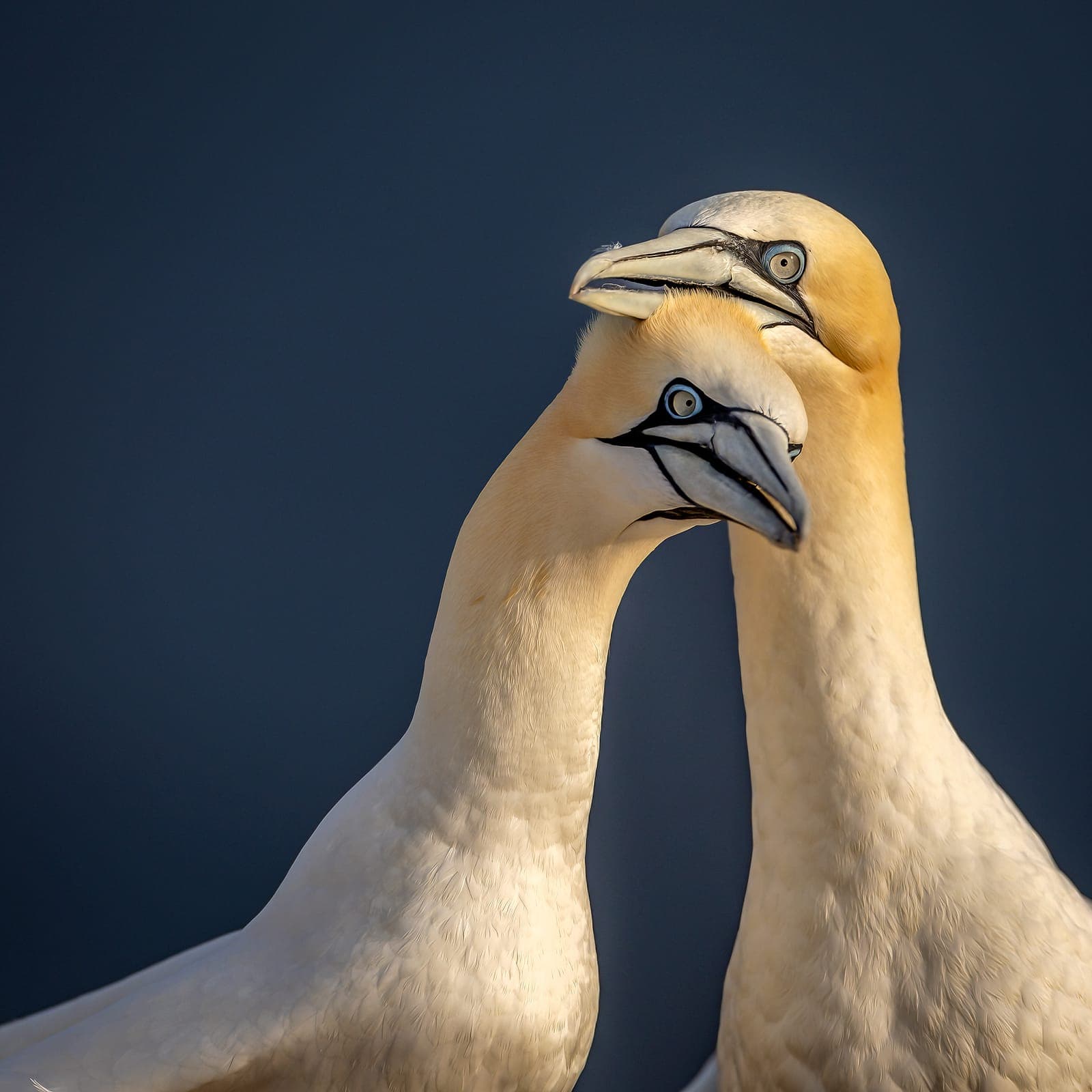
Heligoland June 2027 additional departure
Seabirds and the gannet The oceans make up most of the earth's surface, 71 percent to be more precise.
Guide: Frode Wendelbo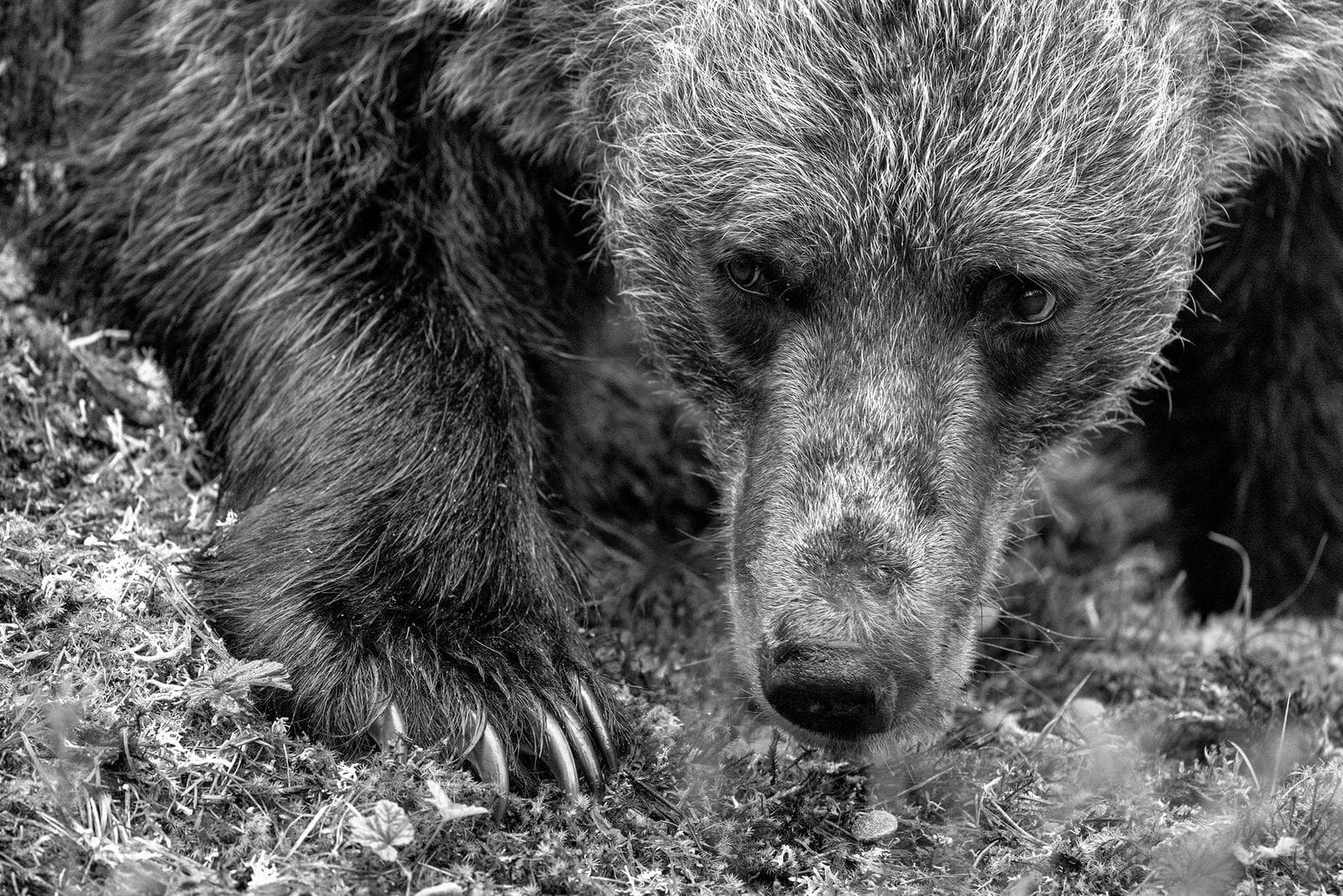
Bears and wolves in classic Finnish lands
Join FocusRAW to the classic Finnish bear and wolf regions
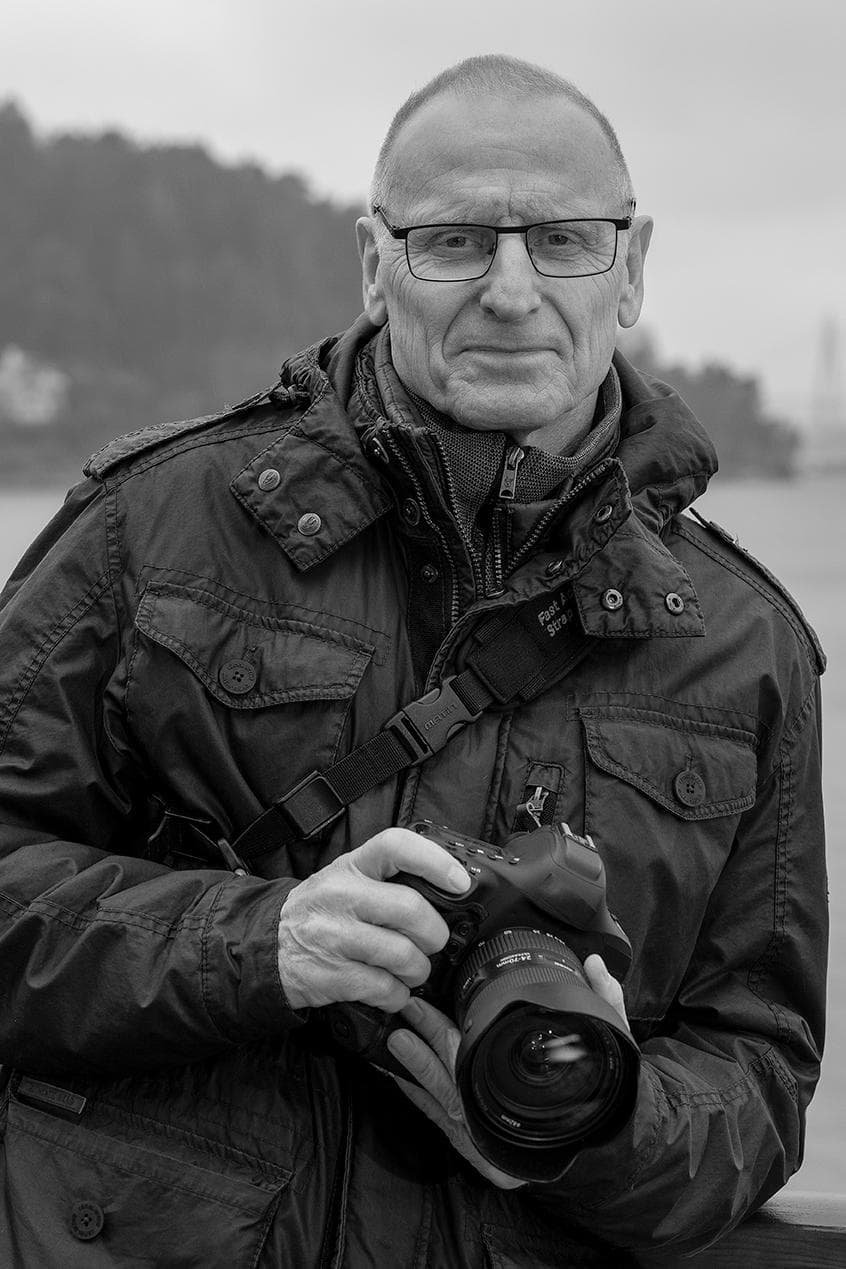 Guide: Lasse Lindahl
Helgoland June 2027
Seabirds and the gannet The oceans make up the majority of the earth's surface, 71 percent to be more precise.
Guide: Brutus ÖstlingOpen for interest registration
Svalbard - Polar Bears
Polar Bear and Walrus
There are places that one never truly leaves. Svalbard is such a place for us. For many years we have returned to this arctic otherworld again and again. Each journey has been different. The light, weather, ice and wildlife constantly change, and that's exactly why Svalbard never feels like a destination you "have done". It is a place that continues to fascinate, surprise and lure you back. At the same time, it has now been several years since our last expedition here. The reason is simple. Recent years' changed regulations around wildlife have meant new conditions for everyone working with nature and photo expeditions on Svalbard. We have therefore chosen to wait and carefully follow developments before planning a new trip. For us it has been important to understand how the rules work in practice and to ensure that we can offer an experience that meets the high expectations we ourselves place on an expedition to the Arctic. Now we feel the time is right. After following developments over several seasons, we see that there are still fantastic opportunities to experience Svalbard's unique nature and wildlife in a respectful and responsible way. Perhaps it's even the case that the new regulations contribute to an even greater focus on what has always been the core of the experience – being allowed to be a small part of one of the world's most untouched wildernesses. When we plan the upcoming trip, it therefore leans toward us aiming for late summer or autumn. An important reason is the regulations around polar bears. During this period, normally a protection distance of 300 meters applies, compared to 500 meters during parts of the spring and early summer season. However, it is important to understand how the rules are designed. The purpose is not to prevent observations of polar bears, but to ensure that people do not actively seek out or approach the animals. So we may not deliberately go closer than the established distance. However, the same does not apply if the situation arises on the bear's initiative. If we, for example, lie still in the pack ice and a curious bear chooses to approach us, the encounter happens on the animal's terms, which is fully compatible with the regulations. Many of the most memorable bear encounters on Svalbard have actually always occurred just that way. But Svalbard has never been just about polar bears. It's about the enormous glaciers that meet the sea in several hundred meter high walls of blue-white ice. About the quiet fjords where whales suddenly break the water surface. About walruses resting on the shores, arctic foxes moving between the stones and reindeer grazing on the tundra. About the thousands of seabirds that fill the cliffs with life during the short arctic summer. It's about the light. The soft, low arctic light that can transform an entire landscape into tones of gold, pink, blue and silver. About evenings when the sun never really wants to set and about mornings when mist veils drift between mountains and glaciers. For photographers, it's hard to imagine a more inspiring environment. We will also place great emphasis on the choice of vessel. Our ambition is to find a modern expedition ship that maintains a higher standard than many of the vessels traditionally used on Swedish photo trips to the area. A vessel that combines the expedition's freedom with high comfort, good observation opportunities and an atmosphere that suits the type of journey we want to create. We want a vessel where one can just as easily stand out on deck for hours and watch for whales and bears as gather indoors for image discussions, lectures or a good dinner after a long day out in the landscape. A vessel that functions as a safe and comfortable base in the middle of the arctic wilderness. As with our previous expeditions, the journey will be characterized by flexibility. The Arctic follows no timetables. The ice moves, weather changes and animals appear where you least expect them. That's exactly why the best expeditions are not about following a schedule, but about being in the right place when nature decides to offer something extraordinary. And that's exactly what lures us back. The feeling of standing on deck far north of civilization. To see glaciers rising from the sea. To hear the sound of drift ice slowly being pressed together. To experience a landscape that still feels larger than humanity. That's why we return to Svalbard. If you too feel it's time for a new arctic adventure, we'd like to know. Right now we are investigating interest in a new expedition, and we hope you want to come along when we return to one of the world's most spectacular places. Svalbard awaits.
Preliminary period
Aug–Oct 2028
Indicative price
—
Photo focus
Expedition
Priority when booking opens
Join the interest list on the page and get priority when booking opens.
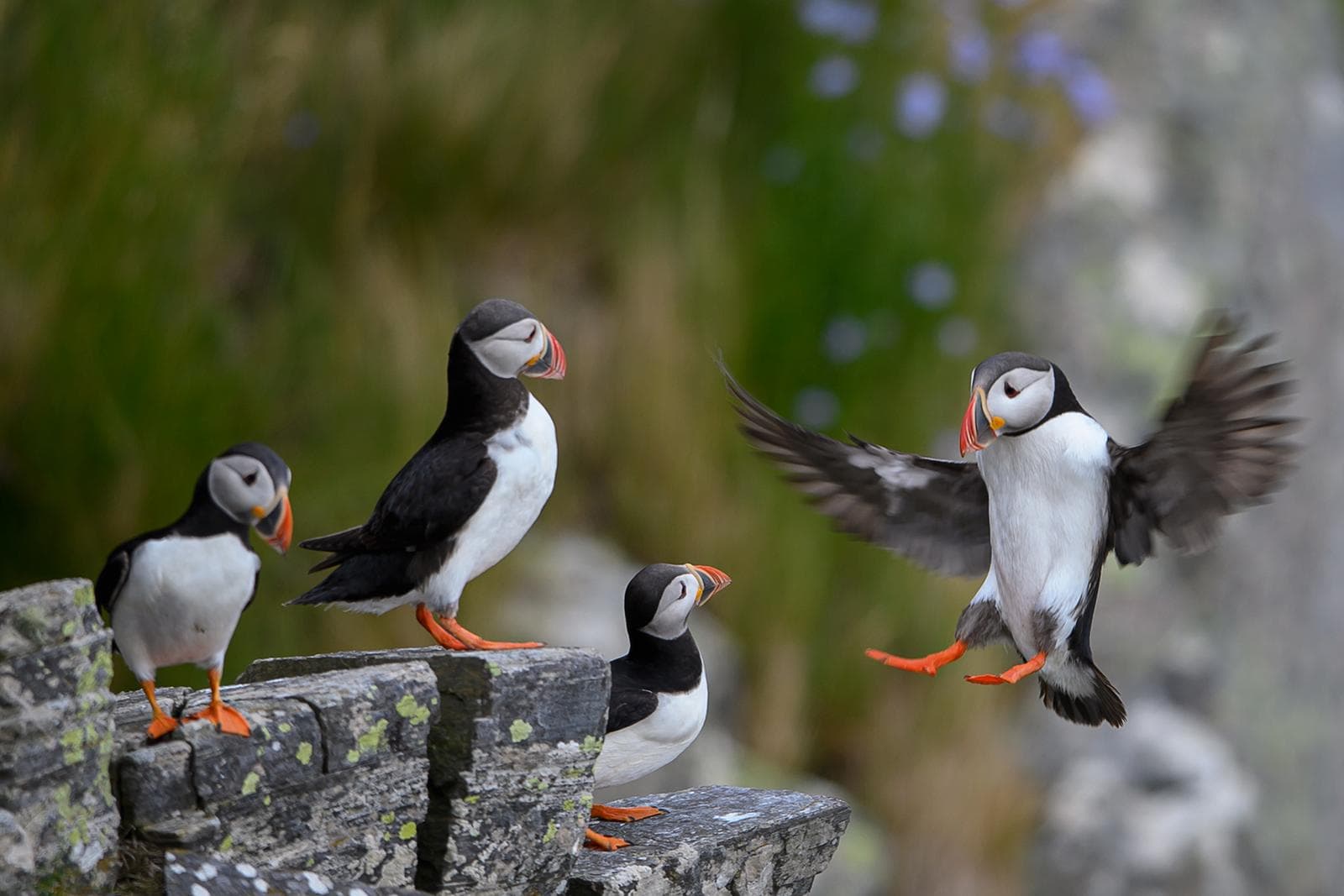
Puffins on Runde
Join Frode and Brutus to photograph puffins, gannets and dramatic landscapes on Runde — Norway's southernmost bird cliff.
Guide: Frode Wendelbo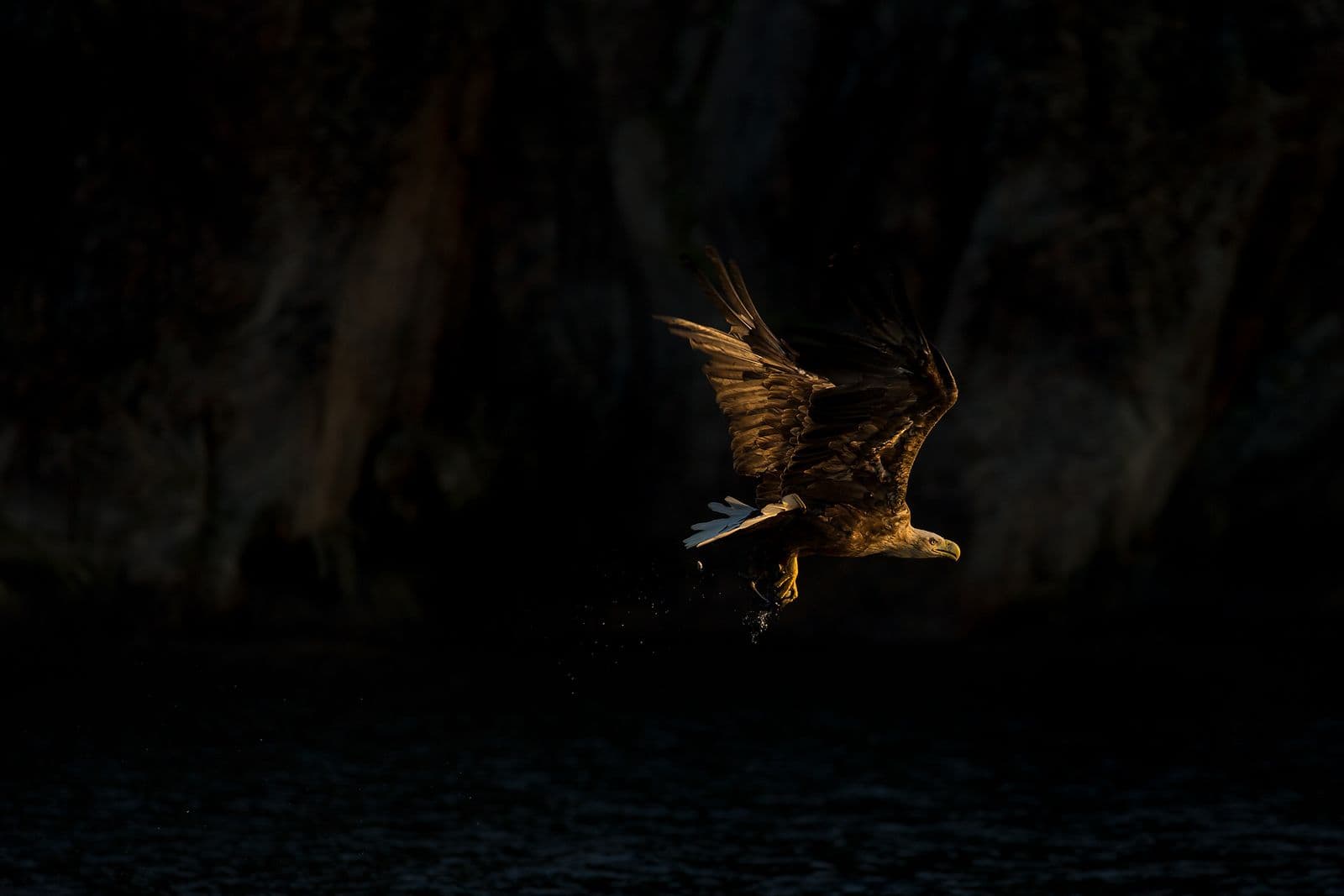
Realm of the Eagles 2027
"FISH IS OUT, EAGLE IS COMING" shouts Ole Martin Dahle from his position at the helm.
Guides: Brutus Östling, Ole-Martin Dahlé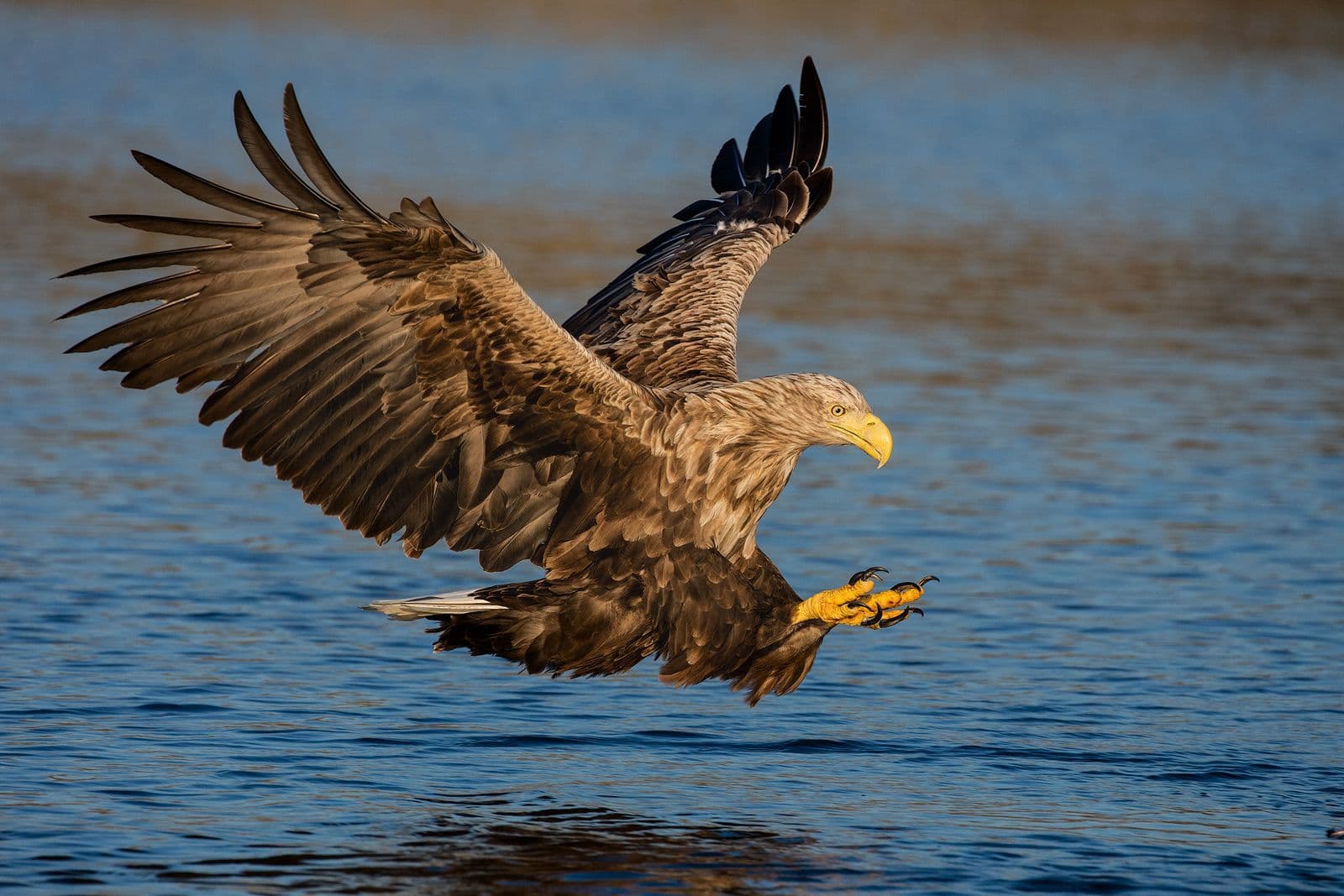
Realm of the Eagles 2027
"FISH IS OUT, EAGLE IS COMING" shouts Ole Martin Dahle from his position at the helm.
Guides: Brutus Östling, Ole-Martin Dahlé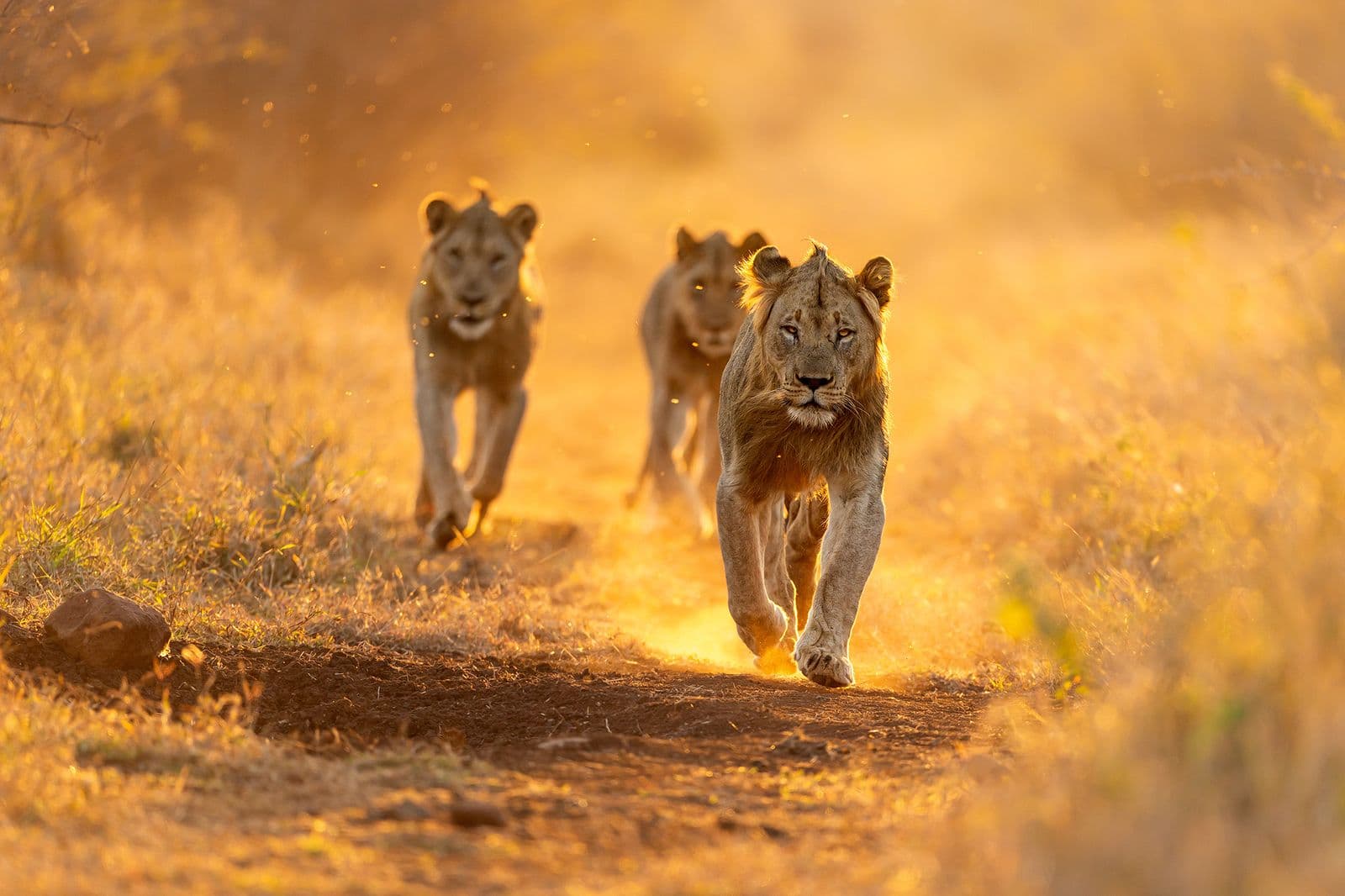
Zimanga August 2027
If you're going to travel as far as South Africa, it's a waste to skimp on days. That's why we offer a longer trip than others do.
 +1Guides: Brutus Östling, Agneta Östling, Catharina Ahlén
Open for interest registration
masai-mara
Preliminary period
Nov 2027
Indicative price
—
Photo focus
Safari
Priority when booking opens
Join the interest list on the page and get priority when booking opens.
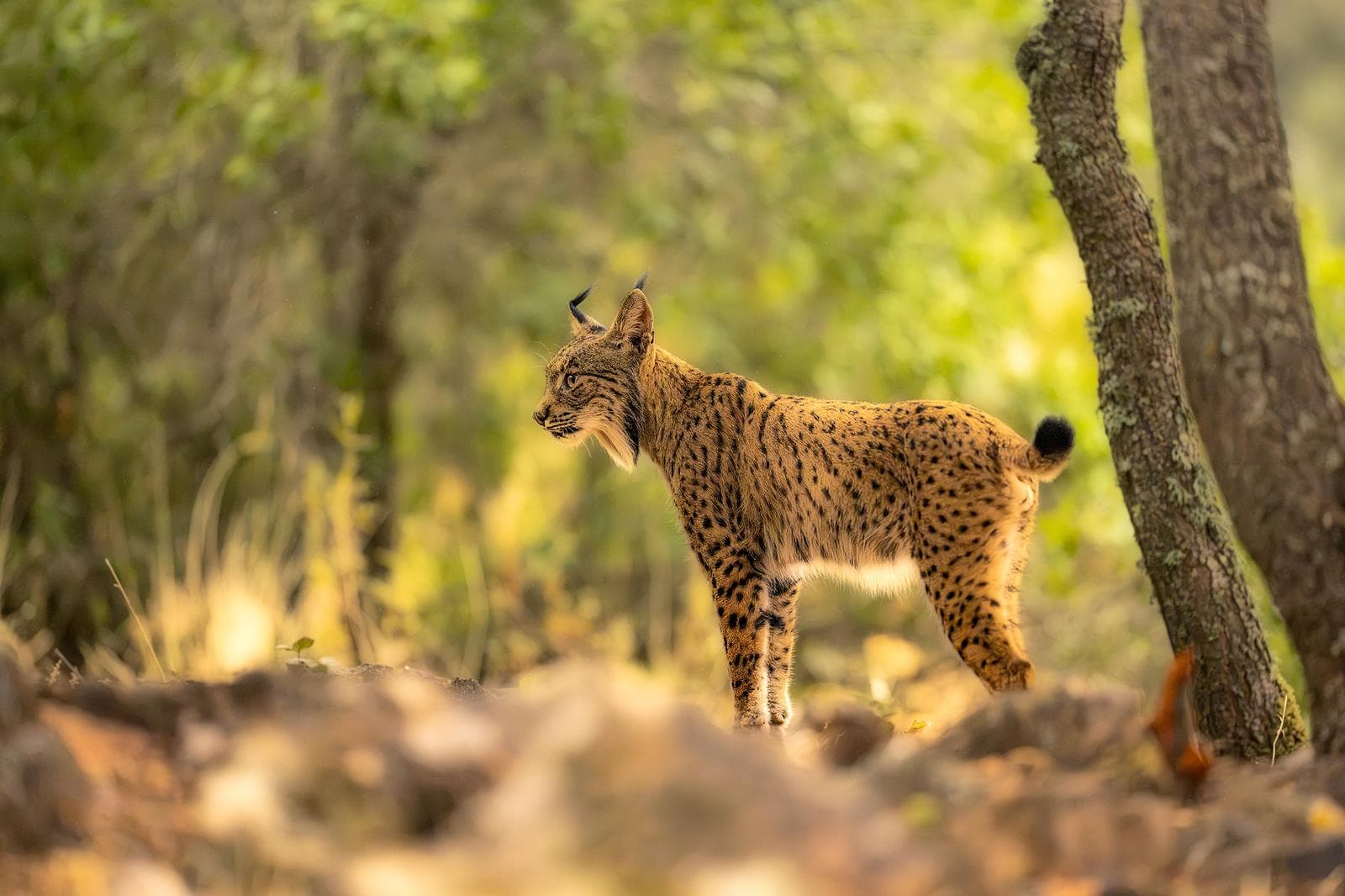
Iberian Lynx Frenzy in Spain
Guide: Brutus Östling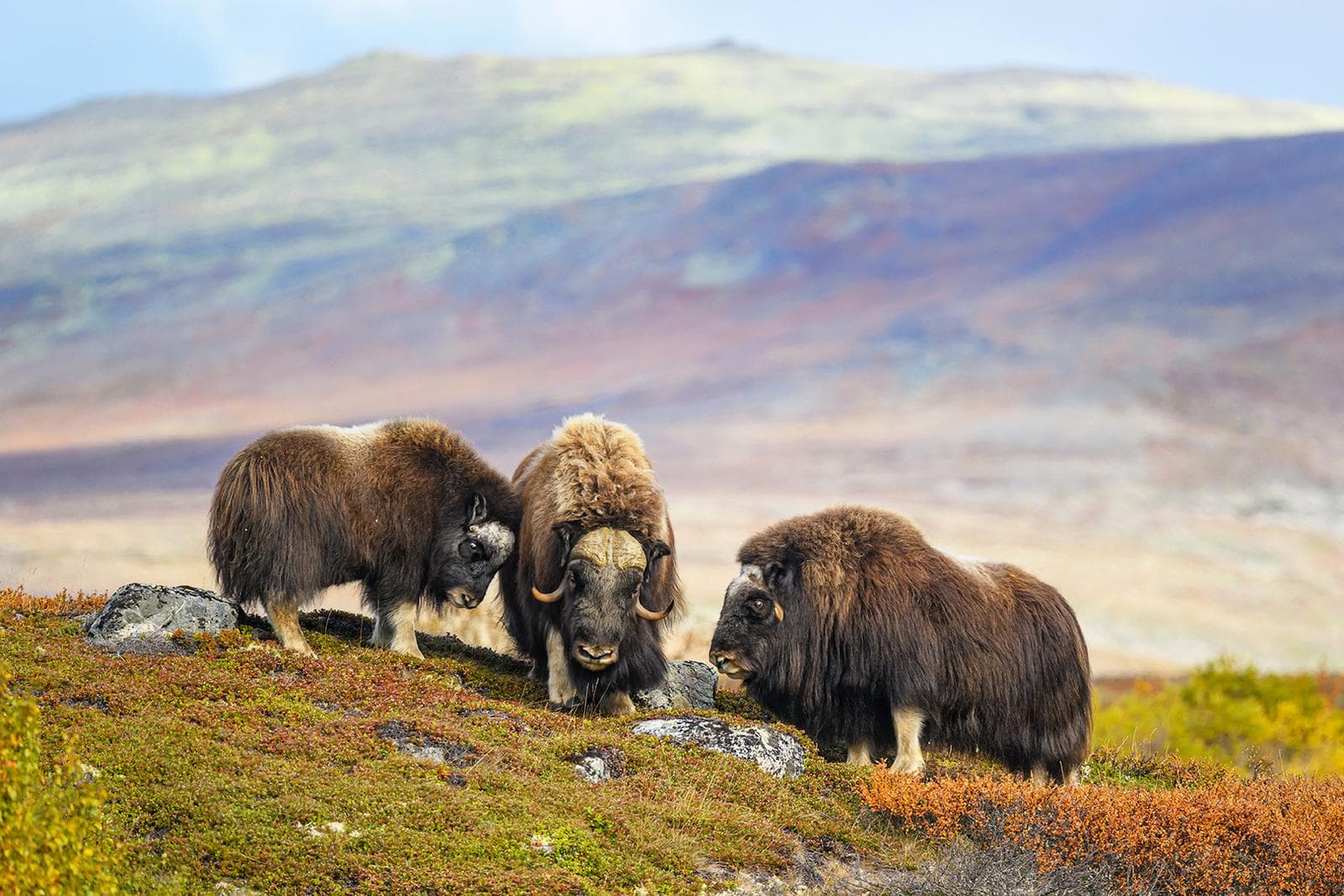
Musk Oxen at Dovre in Autumn Colors 2026
Guide: Frode WendelboRegister interest
Get first notice when new dates open.
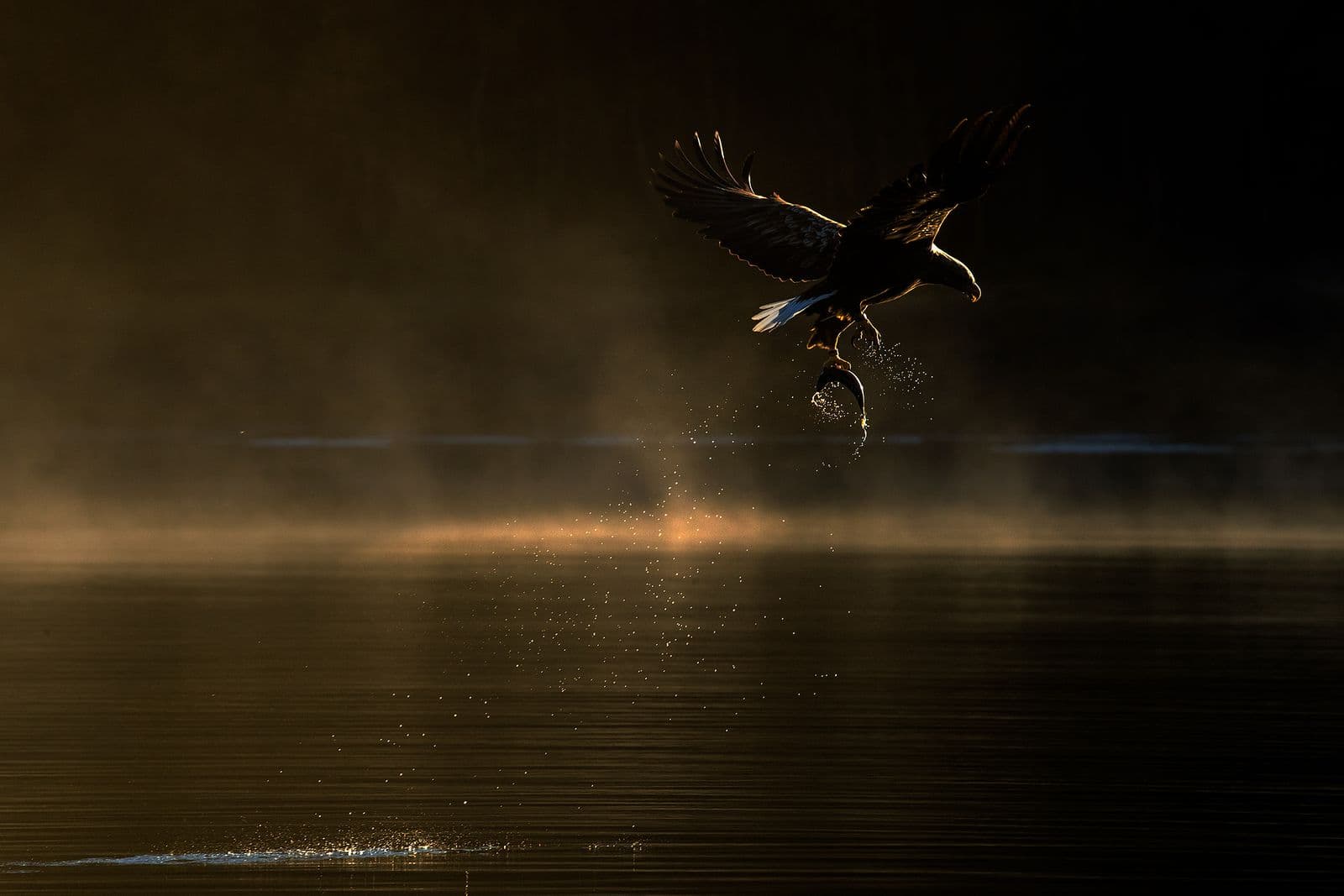
Realm of the Eagles Autumn Colours 2027
Absolutely world-class eagle photography on Ole Martin's boat in a dramatic coastal setting.
Guides: Brutus Östling, Ole-Martin Dahlé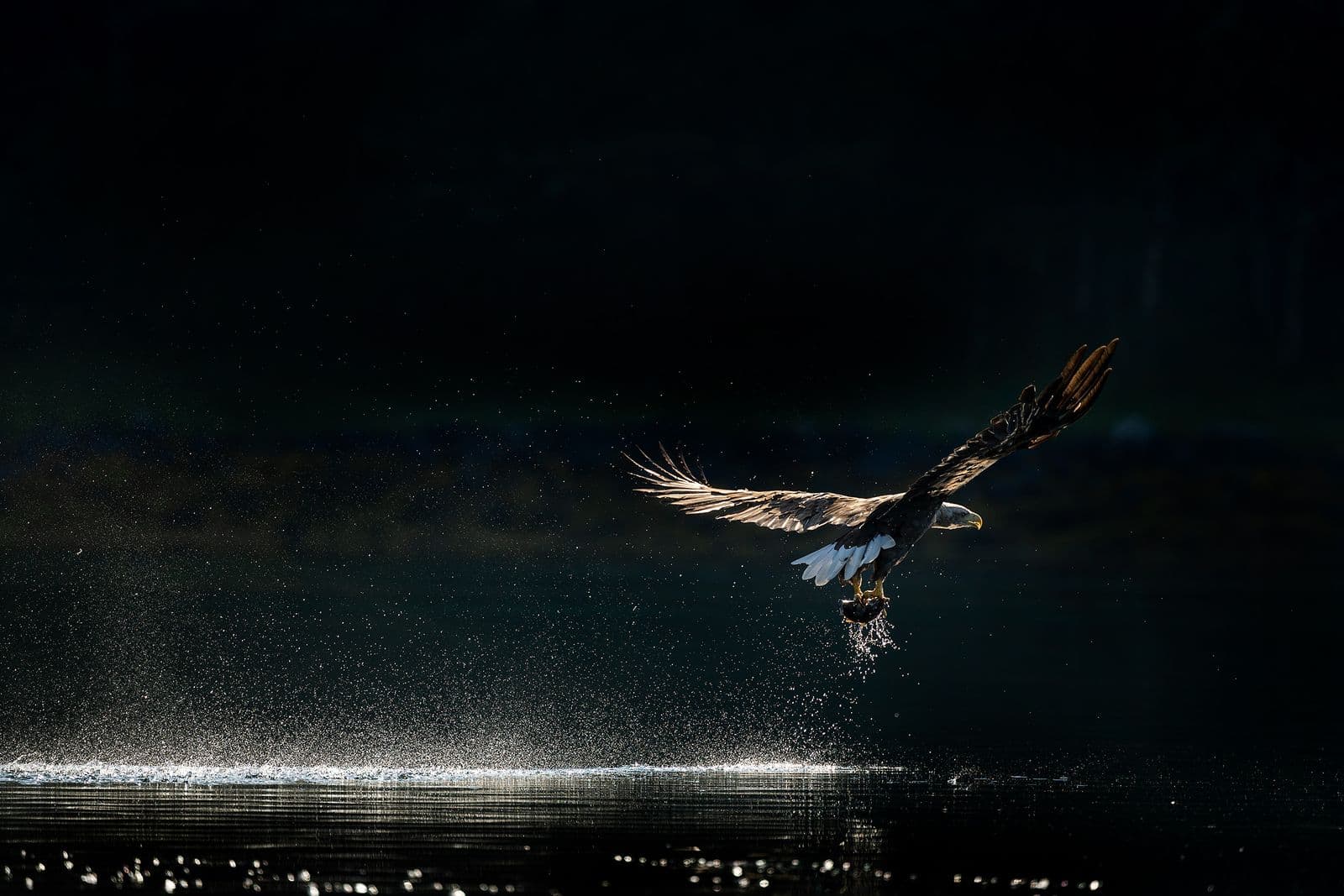
Realm of the Eagles Autumn Colours 2027
Absolutely world-class eagle photography on Ole Martin's boat in a dramatic coastal setting.
Guides: Brutus Östling, Ole-Martin DahléOpen for interest registration
Jaguars in the Pantanal
Jaguars
Travel deep into the Pantanal with Focus RAW – to Porto Jofre and one of the most jaguar-dense regions on Earth. Here, we will spend at least six intensive days on the rivers with one clear objective: to photograph jaguars. Brutus first visited the Pantanal more than fifteen years ago. At that time, the region was known primarily for its extraordinary birdlife, while jaguar ecotourism was still in its infancy. Much has changed since then. Knowledge of the jaguars’ territories and behaviour has grown, the infrastructure has developed, and Porto Jofre has emerged as perhaps the finest place in the world to encounter and photograph wild jaguars. Unlike many of Africa’s large cats, jaguars are regularly active during daylight hours. They patrol the riverbanks, swim between islands, rest in the open beside the water and hunt caimans along the shoreline. This creates the possibility not only of brief sightings at dawn or dusk, but of extended encounters, visible behaviour and genuine action while there is still usable light to work with. In good conditions, it is not unusual to encounter five or more individual jaguars in a single day. But a truly exceptional photography tour is not created by adding as many destinations and species as possible to an itinerary. It is created by making the right choices – and by being prepared to leave certain things out. In July 2026, we travelled through the Pantanal ourselves to inspect and verify the locations, lodges and photographic opportunities we had identified during our research. Many places can sound ideal on paper: feeding stations attracting large numbers of birds, waterholes regularly visited by tapirs, or lodges offering opportunities to see giant anteaters and other iconic species. Only when you stand there yourself – studying the setting, the light, the backgrounds, the shooting angles and the way the experience is actually managed – can you determine whether it meets the standard required for a serious photography tour. Some locations therefore did not make the final itinerary. At one lodge, the birdlife around an organised feeding area was abundant, but the environment felt more like a zoological display than the authentic wildlife photography experience we want to offer. Tapirs did visit a waterhole, but the design of the location, the backgrounds and the available photographic angles were not strong enough. The presence of an animal does not automatically create the conditions for a compelling image. Another lodge offered the best accommodation and food of our scouting journey, along with reliable opportunities to see and photograph giant anteaters. Yet the experience took place on a large working cattle ranch, where guests drive between fenced paddocks and grazing areas in search of wildlife. For someone whose priority is simply to see a giant anteater, it can be a worthwhile stop. For us, however, the experience felt too far removed from the sense of wilderness that should define a dedicated wildlife photography journey. It may still work as a final night before flying home, but only with complete transparency: you are photographing giant anteaters on a ranch, not in an untouched wilderness. These decisions are fundamental to the way we design our tours. Comfort and food matter, but they can never compensate for a photographic experience that falls below the required standard. We would rather remove a comfortable lodge from the programme than compromise on the environment, the light, the backgrounds or the possibility of creating images that feel authentic. This is also why we do not fill the itinerary with additional excursions and transit days simply to make the journey appear broader on paper. We place the time where it delivers the greatest photographic value. At least six days in Porto Jofre means more hours on the rivers, more opportunities to follow individual jaguars over time and a greater chance of remaining with an encounter as it develops – from a quiet portrait into swimming, hunting or dramatic interaction. The Pantanal is also one of the most biodiverse wetlands on the planet. More than 400 bird species breed here, and birdlife is constantly present around us: kingfishers along the riverbanks, raptors above the forest canopy and colourful species appearing around almost every bend. You will photograph a remarkable variety of birds during this journey simply because they are everywhere. But we are not attempting to do everything on a single tour. The birdlife of the Pantanal is so rich that it deserves a dedicated photographic journey of its own, built around the right species, locations, light and seasonal conditions. This tour has a different focus. We will, of course, photograph far more than jaguars. Caimans are present in extraordinary numbers along the rivers and sandbanks – so many that by the end of the week, you may not even raise your camera unless the light, angle or behaviour is exceptional. Capybaras move along the water’s edge. Giant otters hunt, play and communicate in family groups. Around every bend in the river, another photographic opportunity may be waiting. But our purpose is clear. We travel to the Pantanal for the jaguar. For the encounters. The hunts. The swims. The behaviour. And for those unpredictable moments when South America’s most powerful predator suddenly emerges from the forest and steps into the light. That is why we created this journey.
Preliminary period
Jun–Sep 2028
Indicative price
—
Photo focus
Expedition
Priority when booking opens
Join the interest list on the page and get priority when booking opens.
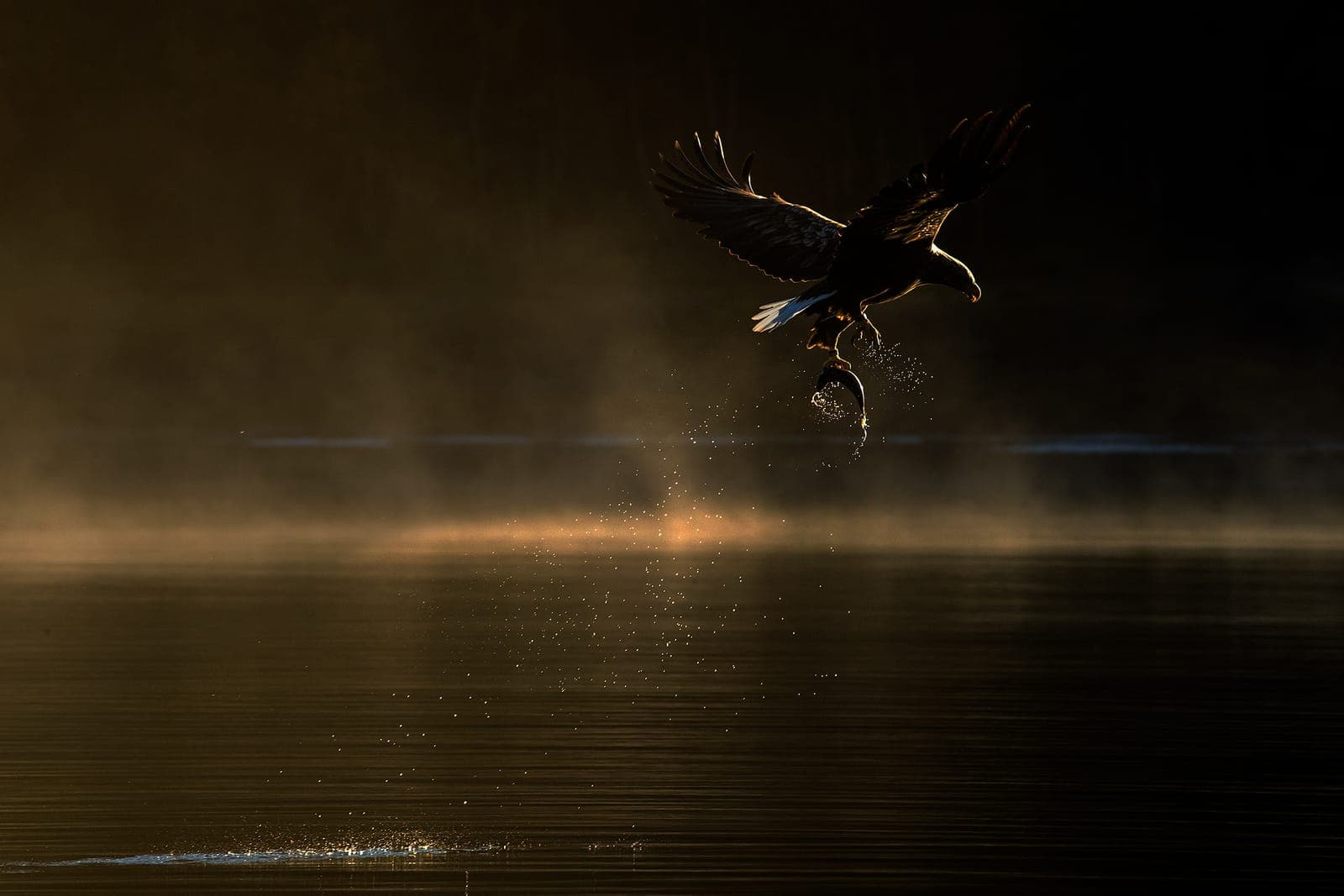
Realm of the Eagles Autumn Colours 2027
Absolutely world-class eagle photography on Ole Martin's boat in a dramatic coastal setting.
Guides: Brutus Östling, Ole-Martin DahléIberian lynx frenzy in Spain – additional departure added
Guide: Brutus Östling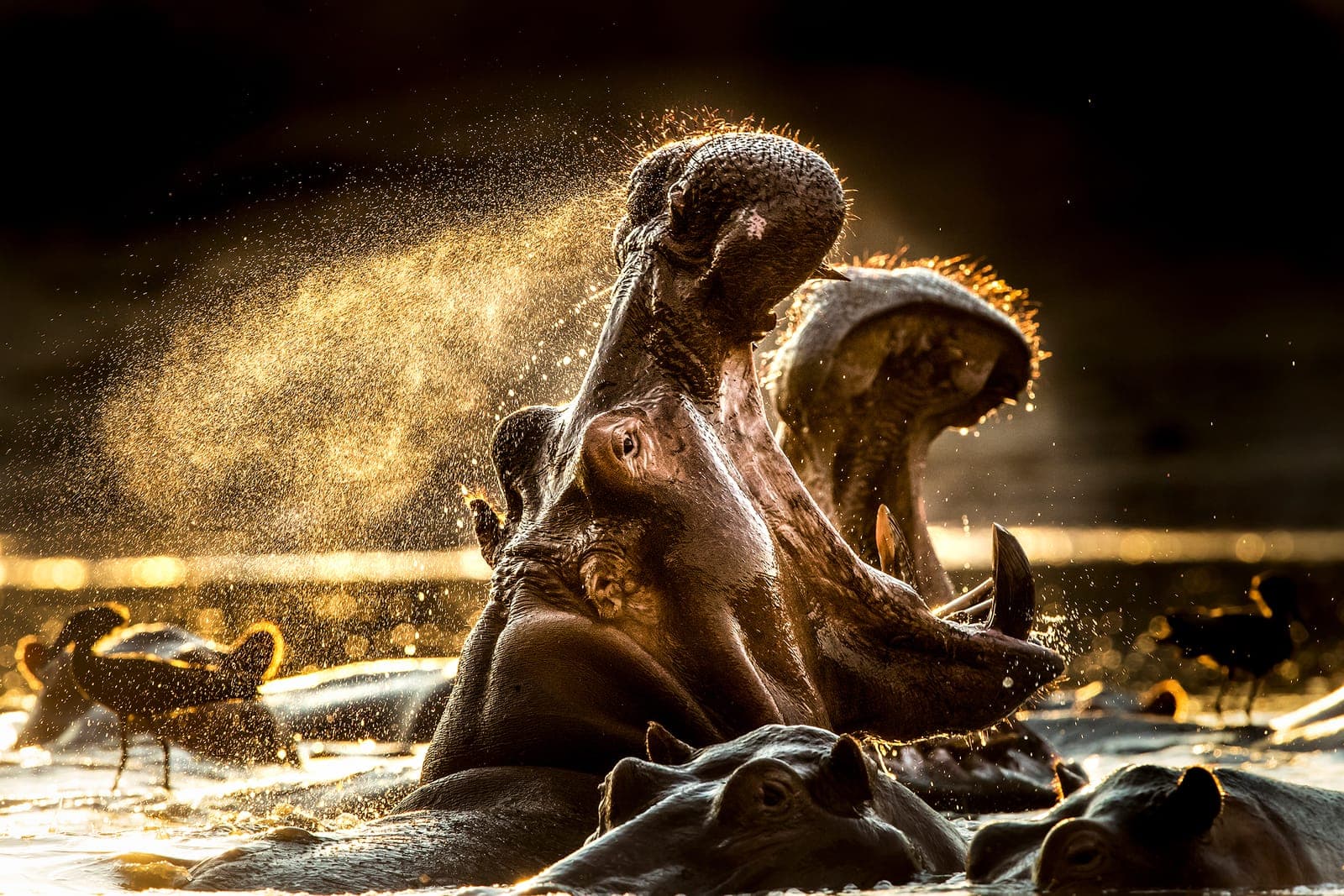
Mana Pools
Mana Pools in Zimbabwe is one of the few areas where you photograph on foot among elephants, lions, hyenas, leopards, African wild dogs, hippos, baboons and large buffalo.
Guide: Brutus Östling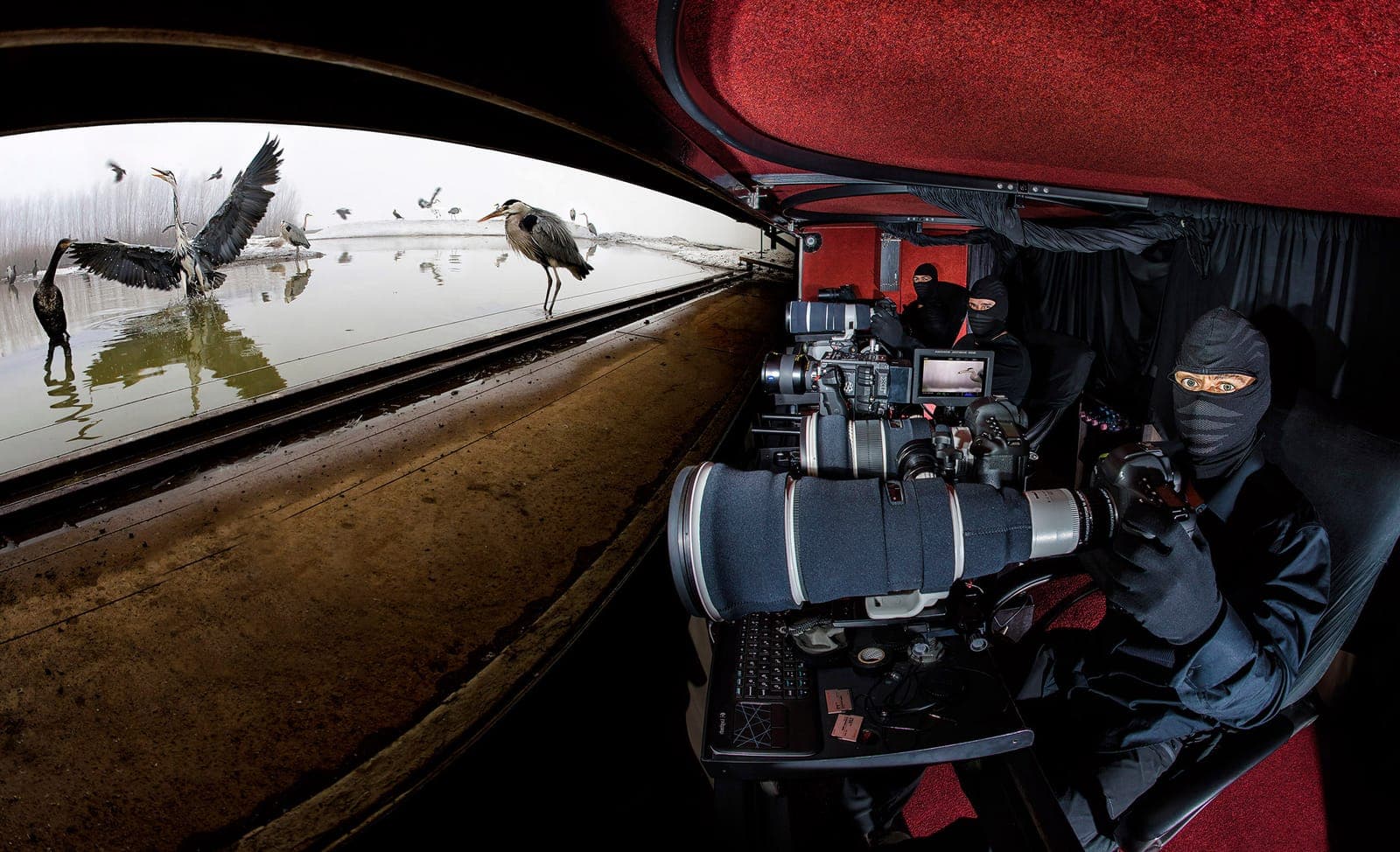
Hungary Winter 2028
Photography from the winter hides here with Bence is an exclusive opportunity. We now invite you to take part in Bence Máté's fantastic hides during what is perhaps the best week of winter.
Guide: Brutus Östling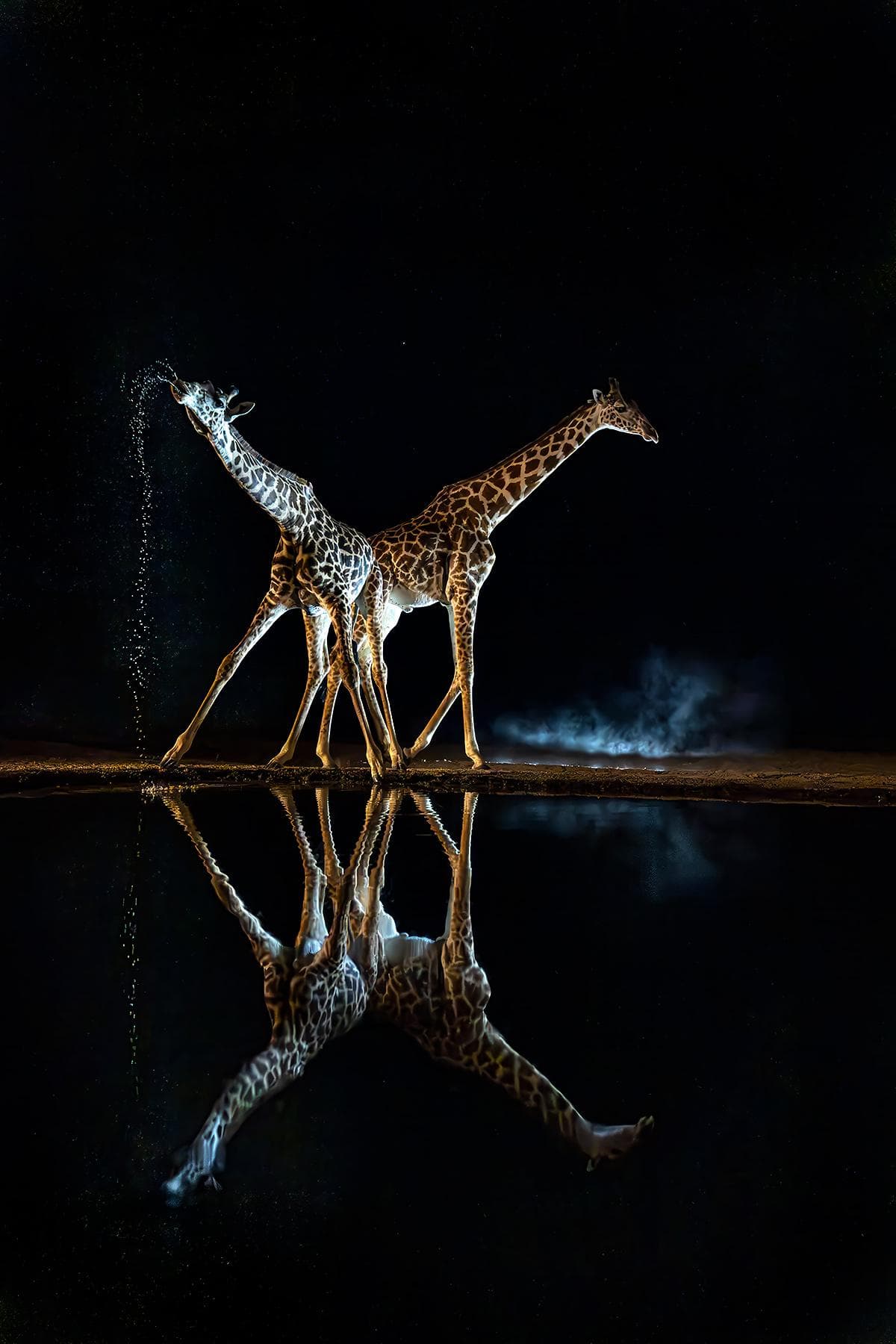
shompole-wilderness-feb-2028
Guide: Brutus Östling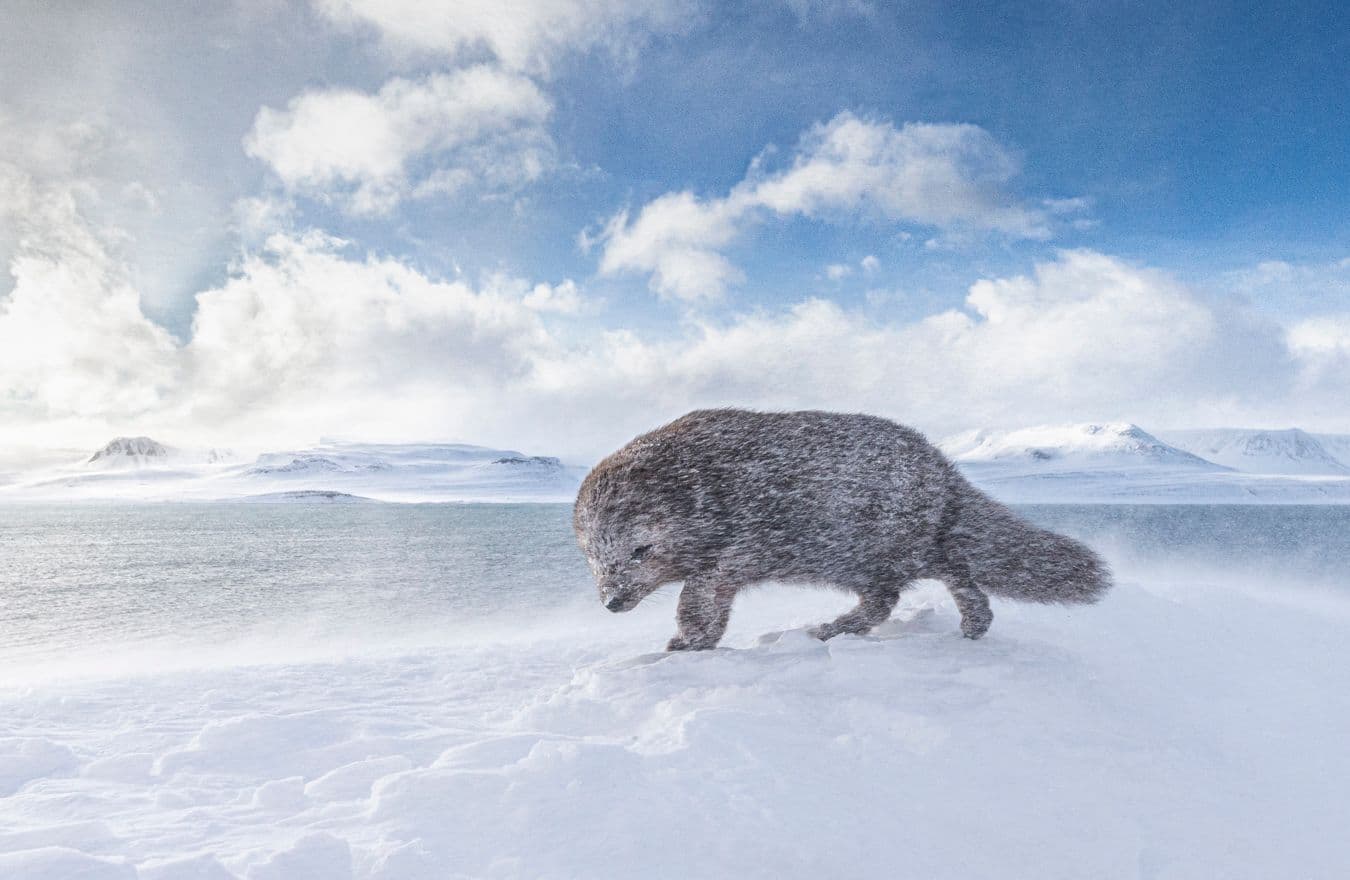
Arctic Fox Iceland
Photograph arctic foxes up close without disturbance High up in northern Iceland lies one of the few places where photographers can experience the arctic fox at incredibly close range.
Guide: Michael Ahlén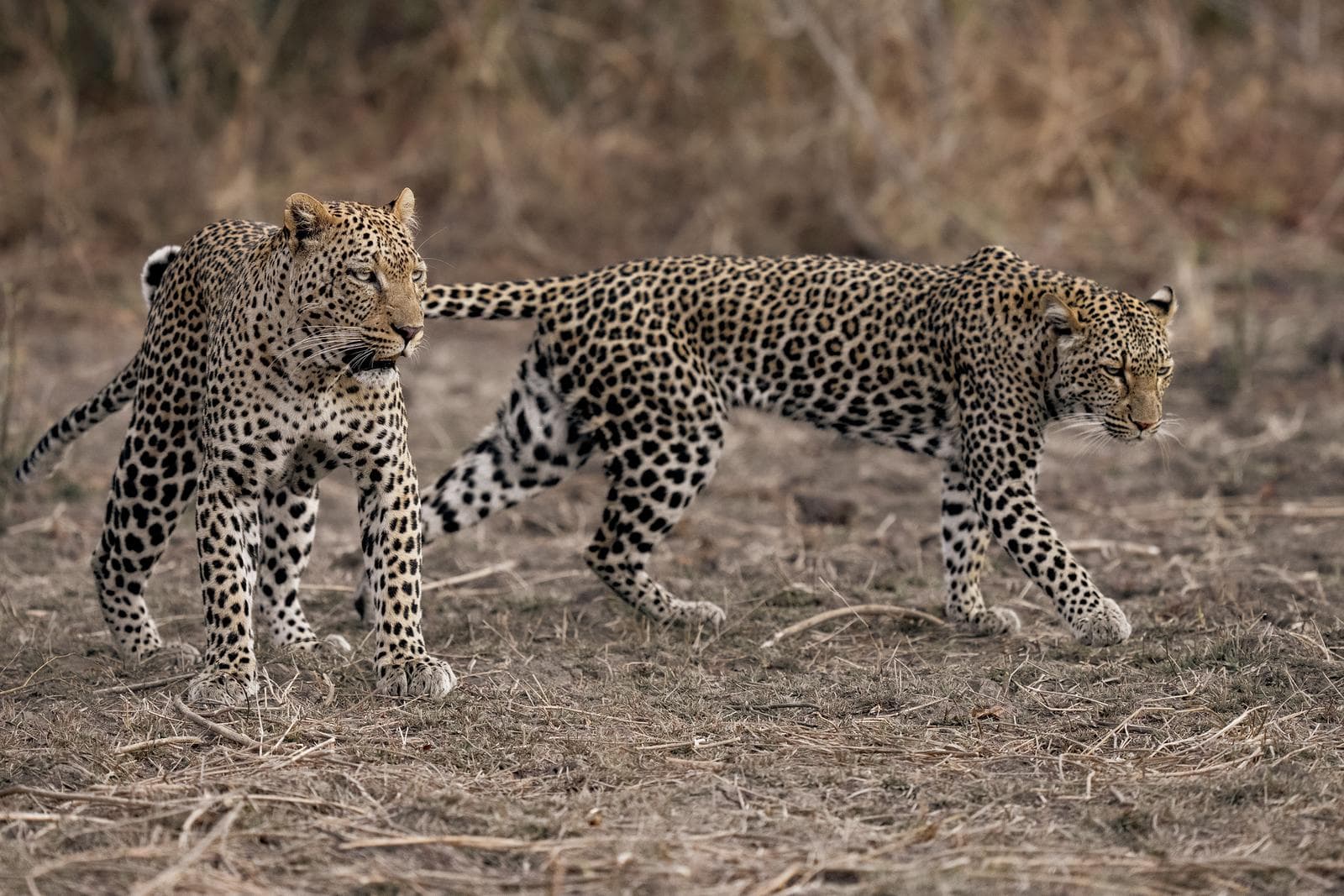
South Luangwa
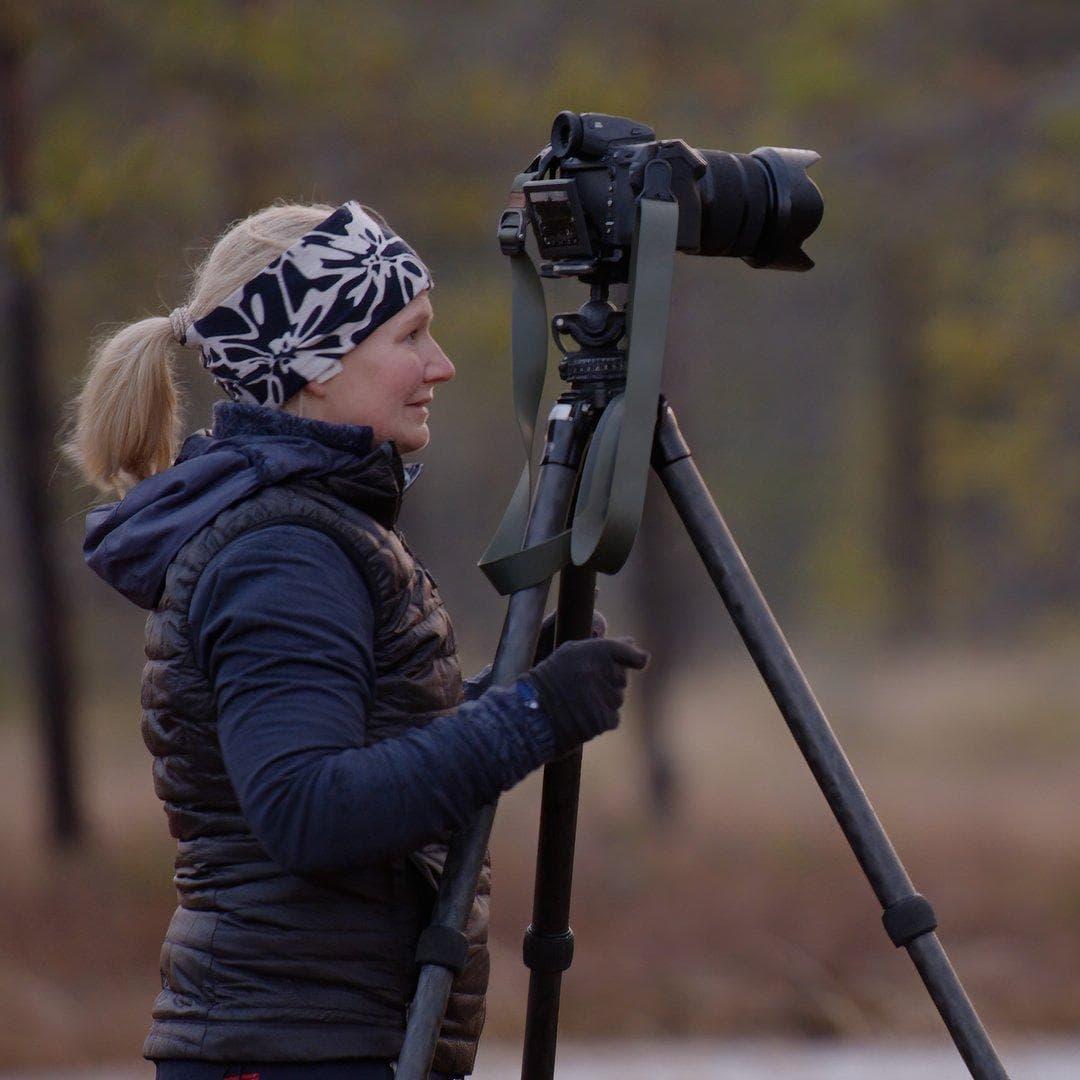 Guides: Brutus Östling, Catharina Ahlén
shompole-wilderness-oct-2028
Guide: Brutus Östling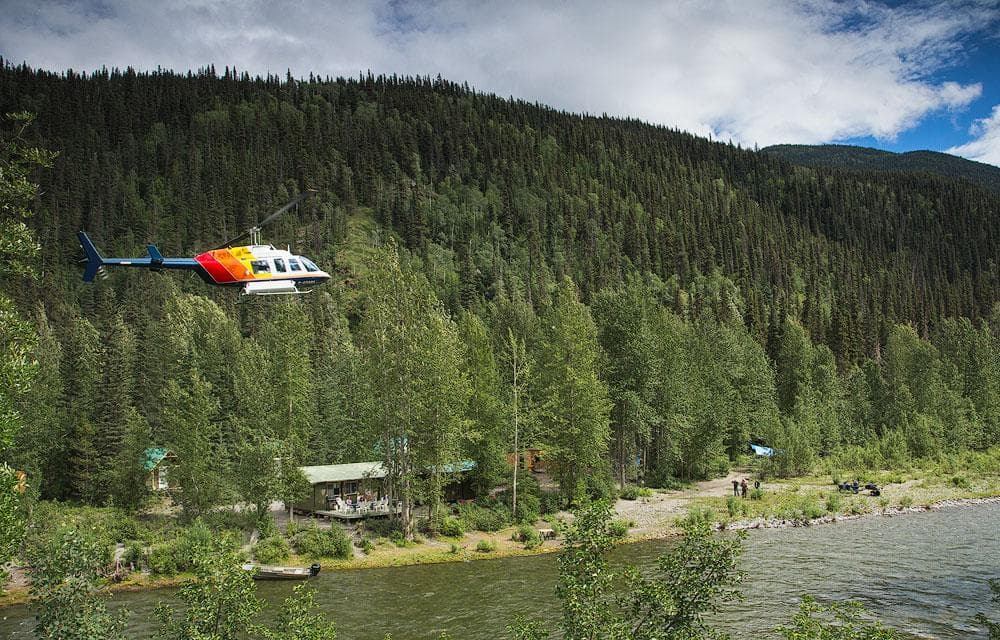
This trip opens shortly – those on the interest list get the link first.
Grizzlies of Taku Wilderness
Public launch later
Want priority next time?
Advice before you book
The right photo tour starts with the right image opportunity
We do not plan tours around a calendar. We plan around light, species and behaviour. These are the questions we usually go through with photographers before they choose a tour.
Ask a photographer before you book
Tell us what you want to photograph, what equipment you use and when you can travel. Then we can say whether the tour fits, or whether you should wait for a better window.
We would rather recommend the right tour at the right time than offer the most departures.
Do I need to be an advanced photographer?
How do I know if a tour fits my subjects?
Why do you run tours at such specific times?
What makes a photo tour different from a normal nature trip?
What happens when a tour is fully booked?
Can you help me choose before I book?
Explore by region
Photo tours for those who want more than tourism
FocusRAW organises photography tours focused on wildlife and nature photography — not sightseeing. Our trips are designed to maximise shooting time at the best locations, led by experienced nature photographers. We keep groups small (max 5–8 participants) so every photographer gets space, support and the best positions.
We travel to carefully selected destinations renowned for their wildlife and natural landscapes: photo safaris in Africa (Zimbabwe, South Africa), eagle photography in Norway, hide photography in Hungary and Sweden, vulture photography in Spain, and unique expeditions such as snowy owls in Canada and arctic foxes in Iceland.
All trips include a government-backed travel guarantee, meaning your payment is always protected. We arrange accommodation, transport and photo locations — you focus on the photography.
Popular photo tours
Photo safari in Zimbabwe and South Africa · Eagle photography in Norway · Hide photography in Hungary · Bird photography on Helgoland · Snowy owls in Canada · Arctic fox in Iceland
Why FocusRAW?
Experienced nature photographers as guides · Small groups for the best photo positions · Government-backed travel guarantee · Hand-picked destinations for nature photography · Over 20 years of experience