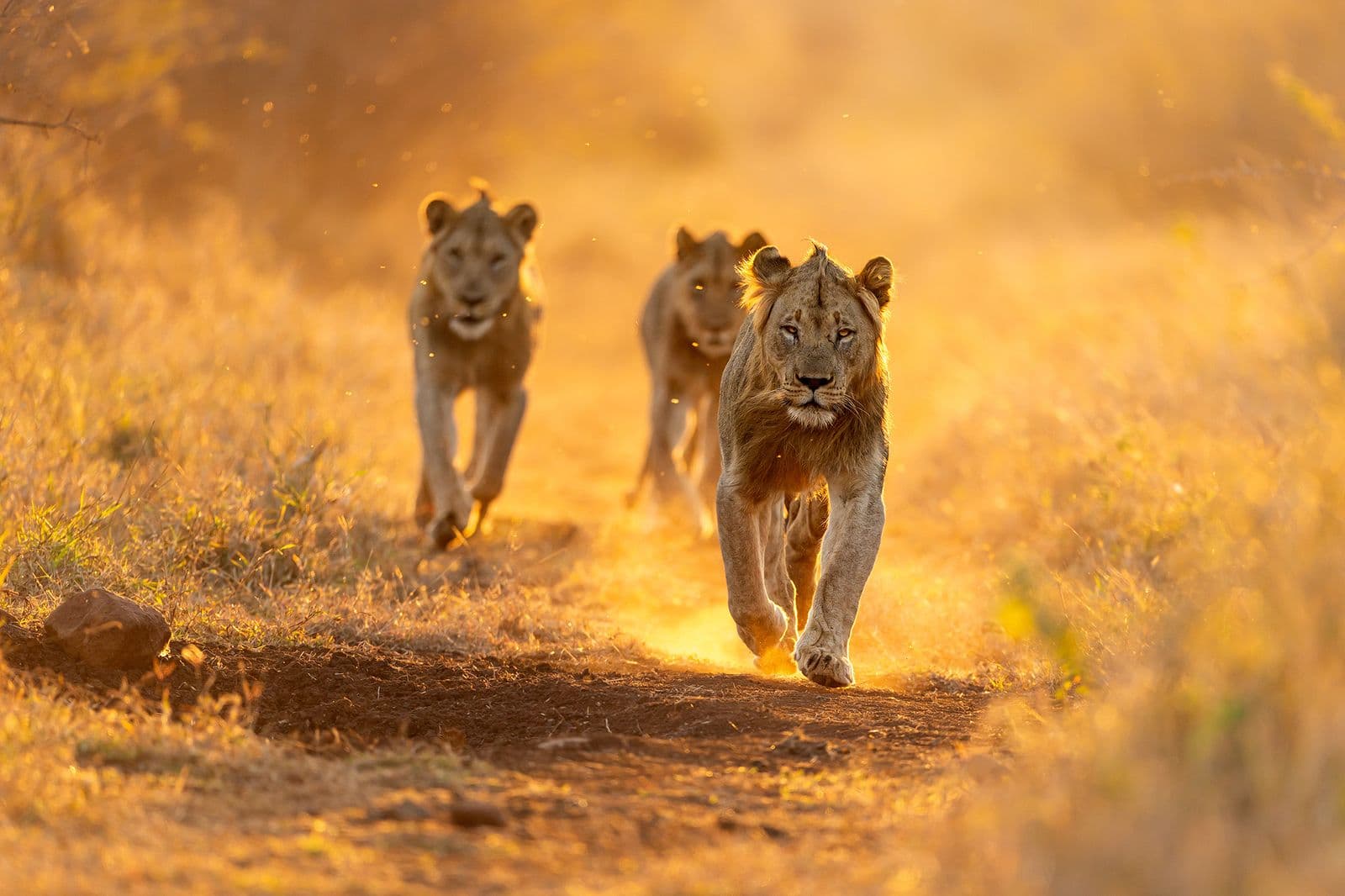
Zimanga Private Game Reserve in KwaZulu-Natal is Africa's first game reserve designed specifically for nature photographers. Located in the heart of Zululand, with nearly 70 square kilometers of pristine bushveld, fever-tree forests and rolling hills, Zimanga offers a combination of world-leading photo hides and luxury accommodation unmatched on the continent. The reserve is traversed by the Mkuze River and hosts an impressive diversity of wildlife — from lions and leopards to elephants, rhinos and cheetahs.
What makes Zimanga unique is that the entire infrastructure — hides, safari vehicles, accommodation — is built by photographers, for photographers.
Area
70 km²
Hides
10+
Bird species
400+
Best season
May–Sep
Photo Hides — Zimanga's Signature
Zimanga has over ten custom-built photo hides, originally designed in collaboration with Hungarian master photographer Bence Máté. Each hide is carefully positioned and constructed for specific subjects — from big game to birds, from water level to ground height. It's this infrastructure that has made Zimanga world-famous among nature photographers.
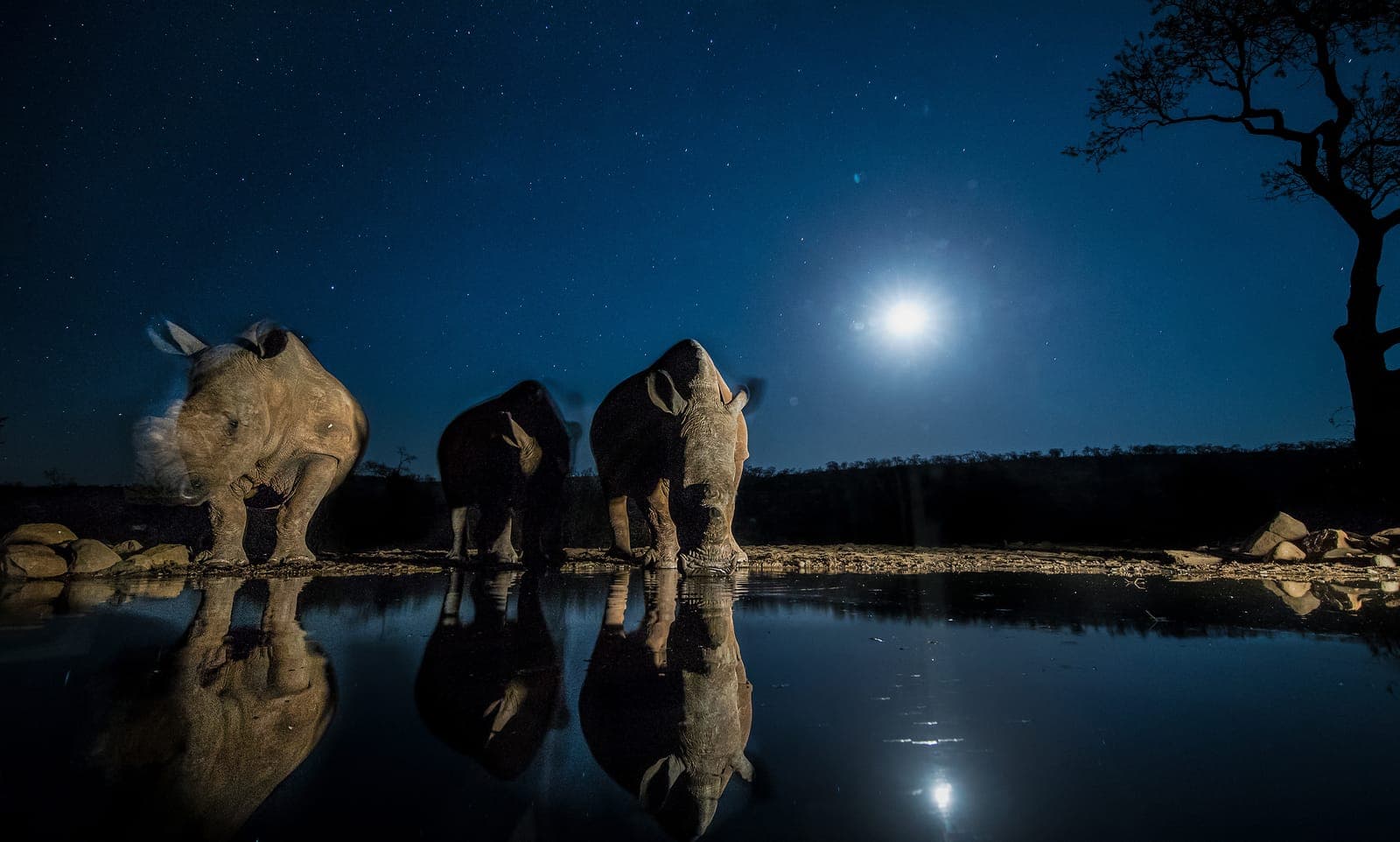
Two of the hides are built for night photography and accommodate up to four photographers. You photograph through glass at eye-level with the water surface, sitting in a reinforced bunker below ground level. Behind the photo positions are personal beds for rest between observations, plus kitchen and bathroom.
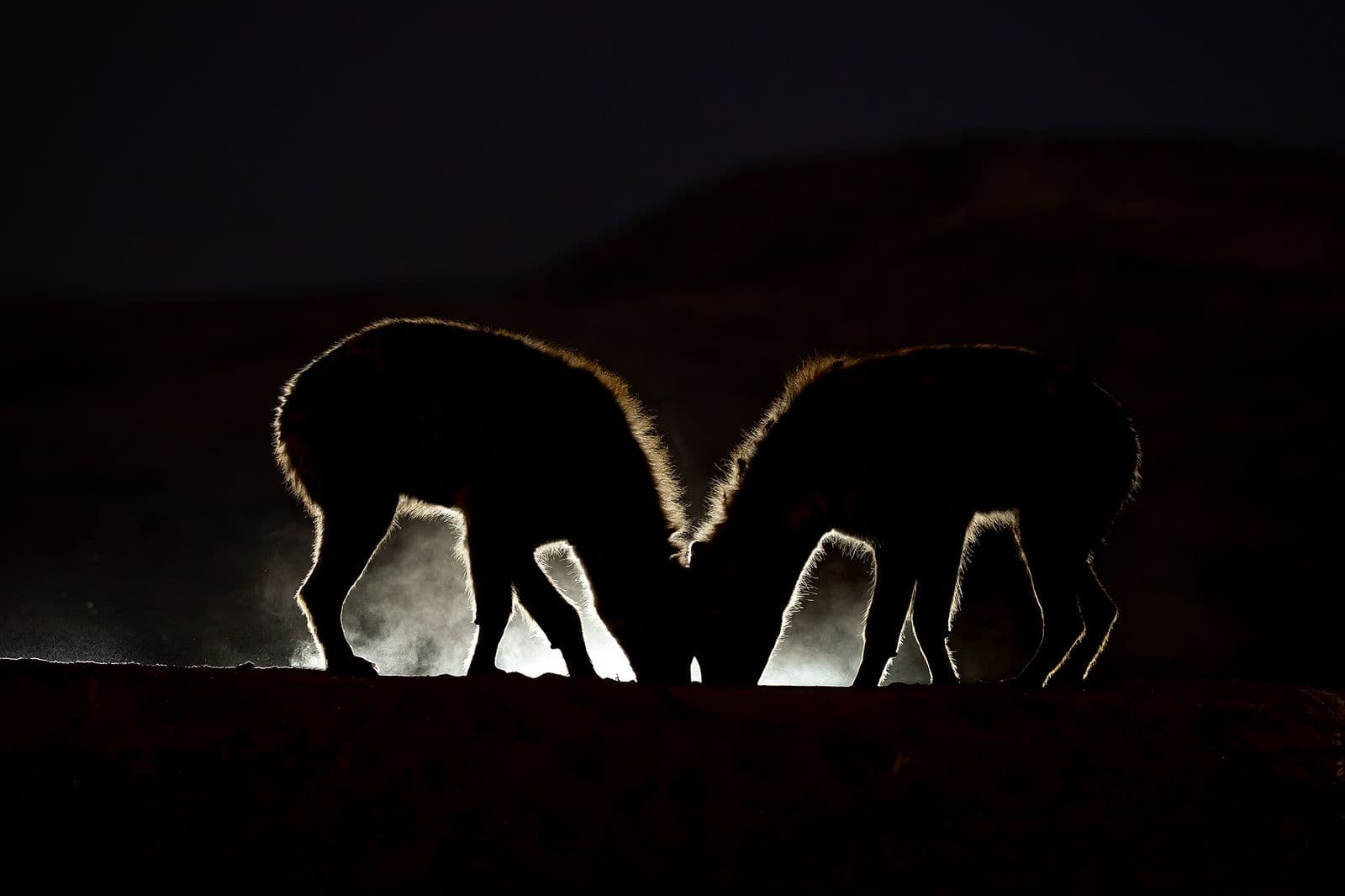
Night Hide — Eye-level with Wildlife
In Zimanga's night hides you photograph from water level through glass, just meters from the animals. African buffalo, rhinos, lions, elephants, hyenas, servals and even the rare brown hyena and caracal have visited the hides. The lighting is carefully placed for natural-looking images.
Night Photography in the Hide
Use ISO 3200–6400 with aperture f/4–5.6. Zimanga's hides have strategically placed lighting that provides natural-looking light. Best setting: manual exposure with auto-ISO. Keep camera on tripod or beanbag — long exposure gives soft light. Dark clothing and thin black gloves are mandatory.
Vulture Hide — Africa's Best
The vulture hide sits on a hill and is visited daily by 20–30 vultures together with various raptors, warthogs, jackals and spotted hyenas. Sometimes even porcupines show up. The hide is built to provide clean compositions with distant backgrounds, perfect for isolated portraits of birds and mammals.
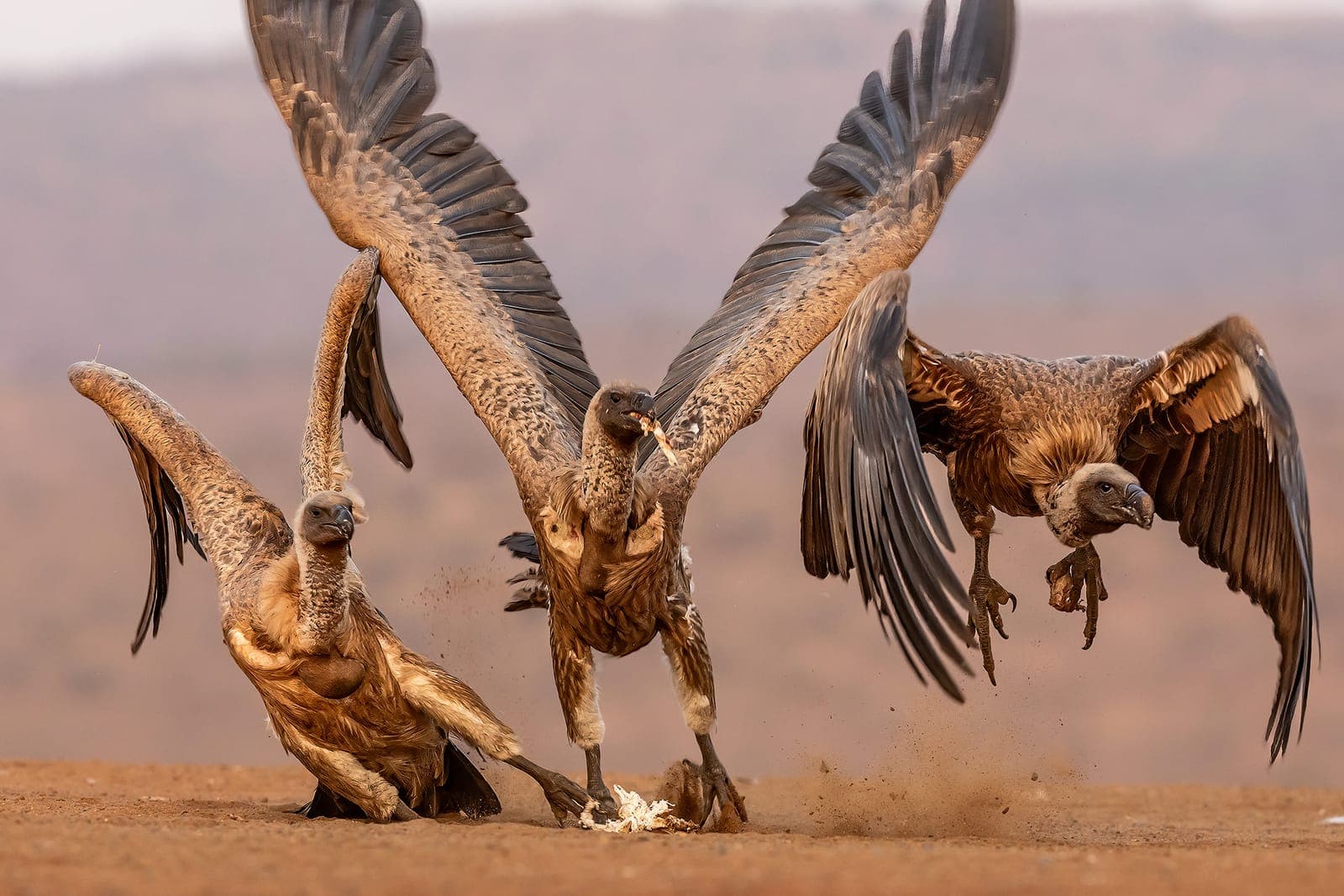
Vultures and Raptors
Zimanga's vulture hide is probably the best in all of Africa for photographing these majestic scavengers. Up to 30 vultures gather daily, often together with raptors, jackals and hyenas. Backgrounds are positioned kilometers away for maximally clean compositions.
The Lagoon — Birds at Water Level
In the lagoon hide you photograph a wide spectrum of waders, herons and rarities such as thick-knees, white-faced ducks, glossy ibis and lapwings — all from eye-level with the waterline. Hippos and crocodiles are found at the reserve's main dam where the river flows through.
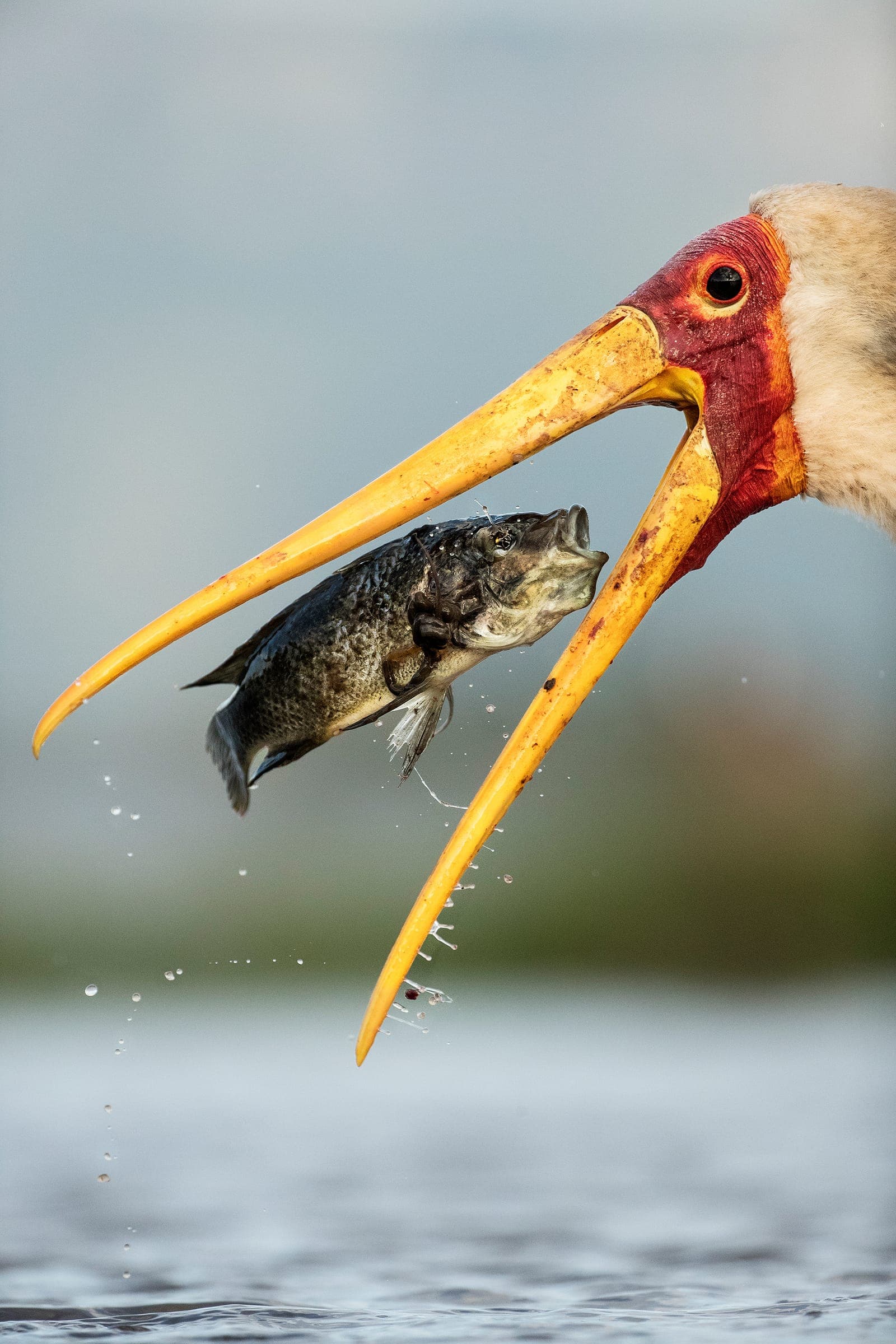
Bird Photography at Water Level
The lagoon hide gives you unique opportunities to photograph waders and water birds from exactly water level. The low perspective creates dramatic reflections and intimate portraits that are not possible from traditional positions.
Safari with Low-Angle Platforms
Zimanga's safari vehicles are specially modified Land Cruisers where each photographer has their own row. Since 2024, the vehicles have built-in low-angle platforms that let you lie down and photograph at eye-level with the animals — something that is nearly impossible on regular safari tours.
Off-road driving is permitted throughout the reserve as long as it doesn't disturb the animals, which opens up significantly more creative possibilities compared to most African safari destinations.
Safari in Special Vehicles
With low-angle platforms in the Land Cruiser vehicles, you can photograph lying down at the animals' eye level. The guides are photographers themselves and position vehicles optimally for light and subjects. Off-road driving is allowed which provides unique angles.
Low-Angle Photography from Vehicle
Use beanbag or ground tripod on the low-angle platform. Fast shutter speed (at least 1/1000 s) for moving animals. 400–600 mm telephoto for portraits, 70–200 mm f/2.8 for environmental shots. The low perspective gives incredibly strong compositions — especially against sunrise and sunset.
More Species to Photograph
Zimanga hosts an impressive species richness: lions, white and black rhino, cheetahs, leopards, spotted and brown hyenas, jackals, servals, wildebeest, Cape buffalo, zebras, giraffes, elephants and countless antelope species. Bird life is equally rich with hundreds of species.
Big Five
All five of Africa's big game — lion, leopard, elephant, rhino and Cape buffalo — are found at Zimanga. Guides coordinate sightings via ranger patrols and GPS tracking, which gives high chances of seeing and photographing all during a stay.
Cheetahs — at Ground Level
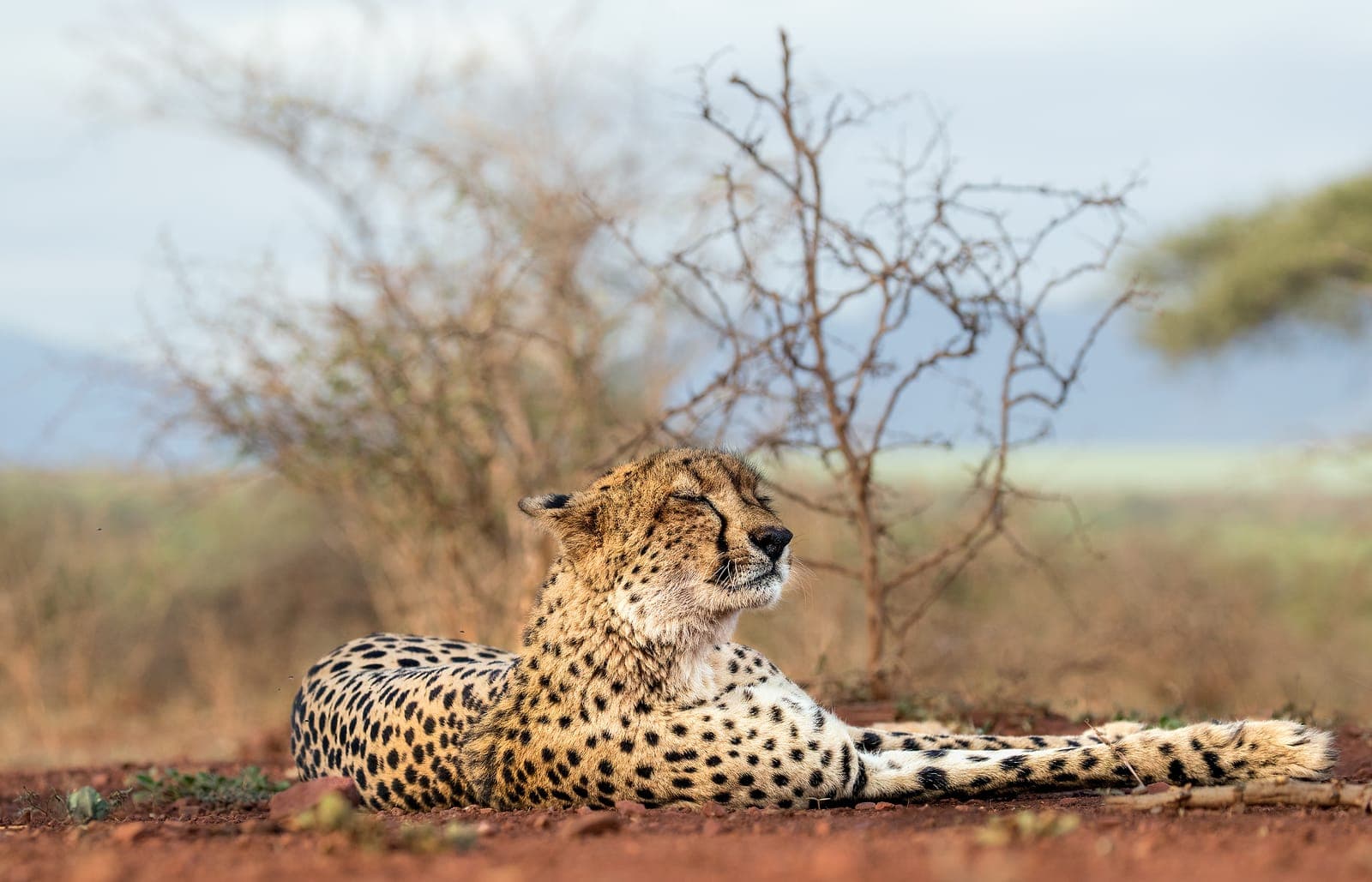
For certain species, like cheetahs, you sometimes step out of the vehicle and photograph from true ground level — something that is rarely possible on traditional vehicle-based safaris. These moments provide raw, intimate images.
Birds — 400+ Species
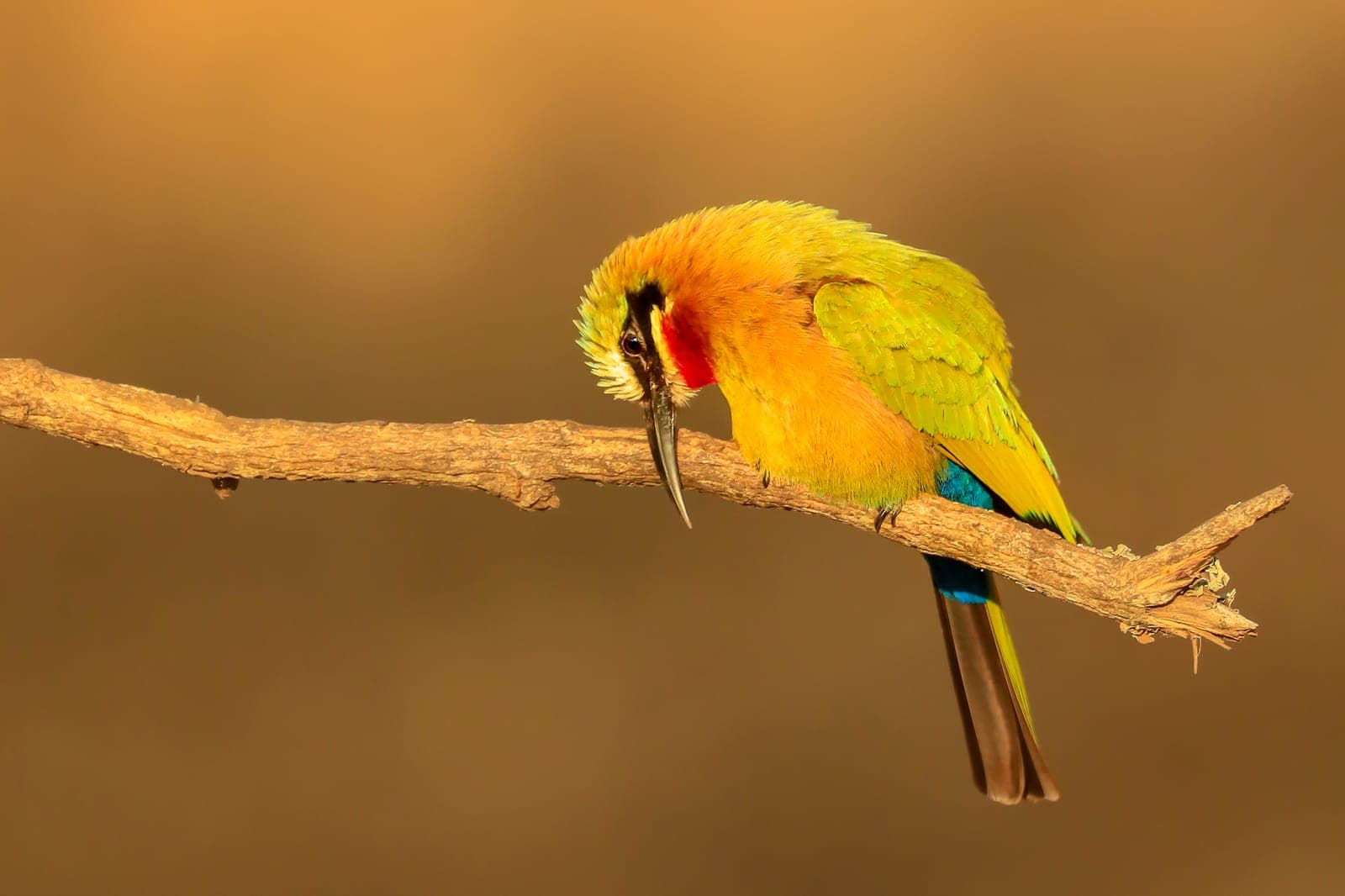
Zimanga offers dedicated bird bath hides (sometimes visited by mongooses) and two bee-eater hides. Bird photography is best early and late in the day. Spotted eagle-owls are common night visitors.
Best Season for Photography
The dry period (May–September) is the best time, with August as the peak. South Africa's winter means cool, clear weather (16–25°C) and wildlife gathers around water sources. Dark, clear skies also provide opportunities for Milky Way photography.
| Months | Season | Description | Rating |
|---|---|---|---|
| Jul–Aug | High season | Optimal dry season. Animals gather at water holes. Clearest weather and darkest skies for astrophotography. | |
| May–Jun & Sep | Excellent | Cooler temperatures, good animal activity. Slightly greener landscape in May. | |
| Oct–Nov | Mid-season | Warmer, more migratory birds arrive. Days become longer. | |
| Dec–Apr | Rainy season | Hot and humid. Greener landscape but more challenging photography conditions. |
Equipment for Zimanga
Camera Bodies
Full-frame camera with good high ISO performance — the night hides require ISO 3200–6400. Bring at least two camera bodies for quick switches between hide and safari.
Lenses
- 400–600 mm telephoto — for animal portraits from safari and hide
- 70–200 mm f/2.8 — perfect for environmental shots and low-angle vehicles
- 24–70 mm — for interior shots in hides and landscapes
- Wide-angle (16–35 mm) — for Milky Way and creative hide images
Accessories
- Beanbag or tripod (both are used in different hides)
- Dark clothing and thin black gloves (mandatory in hides)
- Headlamp with red light for night hides
In the night hides it's important to wear completely black or dark clothing, including thin gloves. Light clothing or reflections can scare the animals. A light balaclava can reduce visibility further, especially with wide-angle lenses.
Accommodation — Luxury Resort in the Bush
Zimanga's main lodge is more luxury resort than classic safari lodge. Each guest stays in a private villa with terrace overlooking the reserve. The rooms are designed by photographer and reserve founder Charl Senekal with multiple power outlets, double desks and spacious areas — perfect for image processing.
Next to the dining room is a dedicated projection room with top-class projector for image presentations and workshops.
Zimanga was founded by Charl Senekal — photographer, reserve manager and zoology PhD student — as an alternative to the trophy hunting industry. The reserve plays an active role in rhino and elephant conservation with 14 armed rangers patrolling around the clock. Part of the travel fee supports these efforts.
Practical Information
Vaccines and Documents
- Zimanga is located in a low-risk malaria area — consult a doctor for personal advice
- Valid passport required, Swedish citizens need no visa
- Book 8–12 months in advance — spaces are limited
Currency
South African rand (ZAR) and cash for tips. Cards accepted at the lodge.
Climate
August (dry season) is like a mild Swedish summer: 16–25°C daytime, cool in mornings/evenings. Bring warm sweater, jacket and long pants.
How to Get There
Fly to King Shaka International Airport in Durban. Transfer to the reserve is usually included in the trip.
Why Zimanga for Nature Photographers?
- World-leading photo hides — Eye-level with animals day and night, designed by master photographers
- Low-angle platforms — Custom-built safari vehicles for photography at eye-level
- Big Five — All five big game species in a single reserve
- Exclusivity — Small groups, no other tourists, off-road driving permitted
- Luxury accommodation — Private villas with photographer-adapted rooms and projection room
- Conservation — Active protection of rhinos and elephants, founded as alternative to trophy hunting