
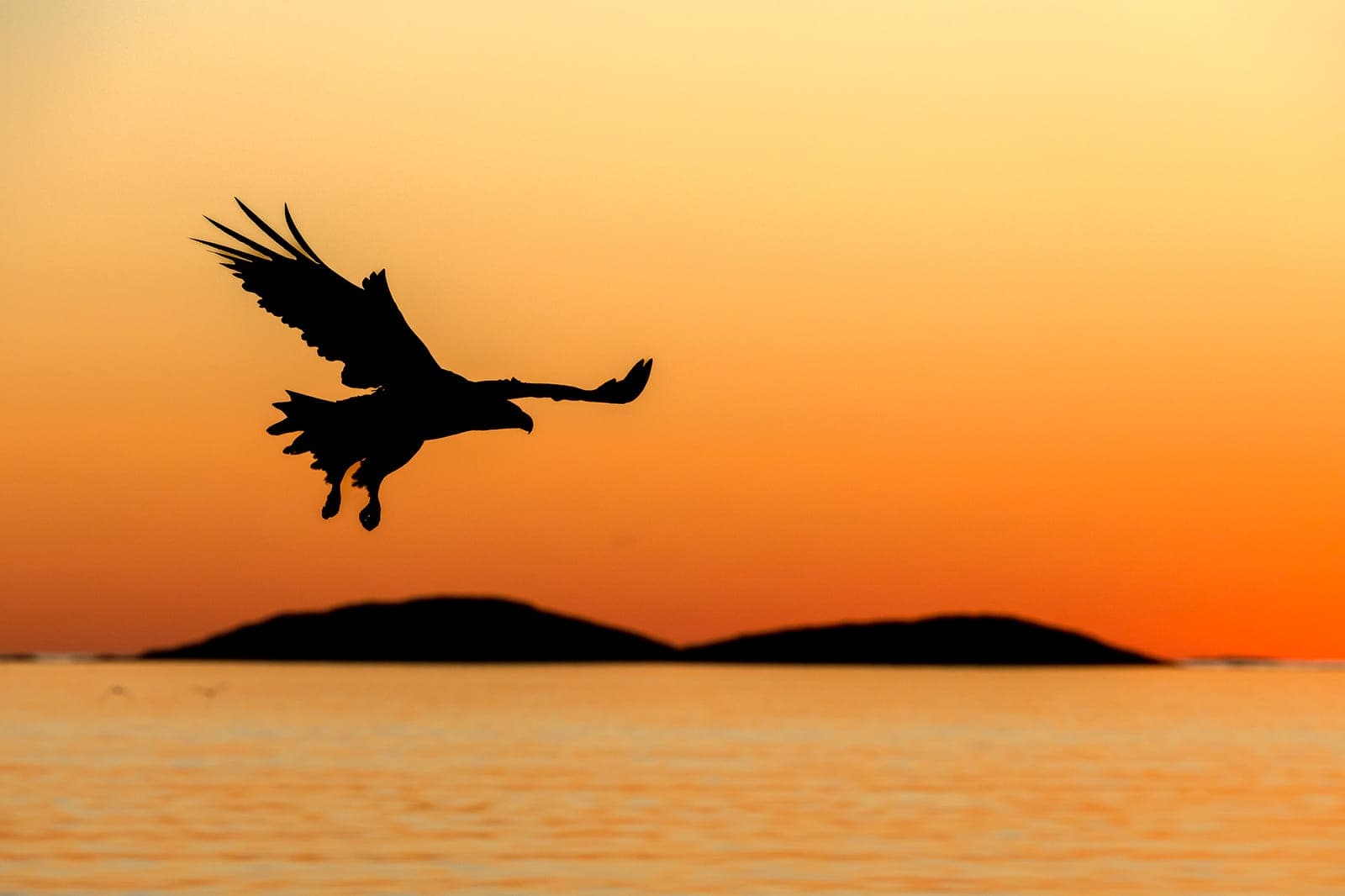
Wildlife photography is about capturing nature's beauty and animal behaviors – but with this privilege comes great responsibility. As a nature photographer, you are a guest in the animals' home, and it's your duty to respect and protect the life you document.
The Photographer's Ethical Responsibility
Rule number one in responsible wildlife photography is that animal welfare always comes before the shot. No matter how fantastic the photo opportunity seems, you must never compromise the animals' safety or natural behavior.
Maintain Proper Distance
Different animal species have varying tolerance levels for human presence. Large mammals like elephants and lions require significantly longer distances than smaller birds, but even here great caution applies. A telephoto lens of 400-600mm is often necessary to photograph at safe distances.
Respect Breeding Periods
Nesting birds are particularly vulnerable to disturbance. During breeding season, even brief disturbance can cause parents to abandon their nest, resulting in breeding failure. If you discover nesting birds, maintain extra distance and use longer telephoto lenses.
Read Animal Body Language
Stress signals in animals include alertness, restlessness, fleeing or flight attempts. If an animal shows signs of stress, it's time to back away. Natural behaviors like resting, foraging, or playing indicate that the animal feels secure.
Controversial Methods – What Works and Why Some Techniques Are Problematic
Baiting – A Complex Issue
Using bait (food to attract animals) is controversial in wildlife photography. In some cases, such as at commercial hides with controlled conditions, it may be acceptable. But feeding wild animals independently can:
- Alter their natural behaviors
- Create dependence on human food
- Increase risk of human-wildlife conflicts
Bird Call Playback
Playing bird calls to attract birds can work, but is often used incorrectly. Excessive use can stress birds and disturb their territorial behaviors. Use playback sparingly and never during breeding season.
Hides – Photography with Minimal Disturbance
One of the most effective methods for photographing animals without disturbance is using photographic hides. From a concealed position, you can observe and photograph natural behaviors without affecting the animals' normal routines.
Advantages of hide photography:
- Animals display natural behaviors
- Possibility for closer photography without stressing animals
- Longer observation time provides better understanding of species behavior
- Lower risk of disturbing sensitive species
FocusRAW's Responsible Approach
At FocusRAW, we build all our tours around principles of responsible wildlife photography. Our small group sizes of maximum 6-8 participants minimize environmental impact and give each photographer better opportunities for quality photography.
Our local guides often have backgrounds in conservation and ecology, ensuring we always follow best practices for wildlife-friendly photography. They know animal behaviors and can read situations to determine when it's appropriate to photograph and when we should maintain distance.
We work exclusively with local partners who share our values regarding sustainable tourism. This ensures our tours contribute positively to local communities and conservation in the destinations we visit.
Choosing Responsible Tour Operators
When planning your next photo tour, carefully research the tour operator's ethical guidelines:
Certifications to look for:
- Membership in responsible tourism organizations
- Sustainable tourism certifications
- Clear ethical guidelines for wildlife photography
Local Ownership and Partnerships
Choose operators who work with locally owned businesses and employ local guides. This ensures tourism money stays in the local community and contributes to conservation work.
Conservation Contributions
Many responsible tour operators contribute directly to conservation projects or local community development. Ask what your tour operator does to give back to the areas you visit.
Techniques for Minimal Disturbance
Camera Settings for Long-Distance Photography:
- Use telephoto lenses (400mm or longer)
- Raise ISO rather than moving closer
- Activate silent shutter mode if your camera has it
- Use image stabilization for sharper images at distance
Clothing and Equipment:
- Wear earth-toned clothing that blends in
- Avoid reflective materials
- Use camera covers or camouflage cloth in sensitive situations
Responsible wildlife photography is about respect – respect for animals, their habitats, and the local communities dependent on natural resources. By following ethical guidelines, we help ensure future generations can also experience and photograph our planet's amazing wildlife.
Want to learn more about our work with sustainable ecotourism, contact us and we'll gladly tell you about our responsible photo tours.
Enjoying what you read?
Subscribe to our newsletter for more photo tips and travel inspiration.