
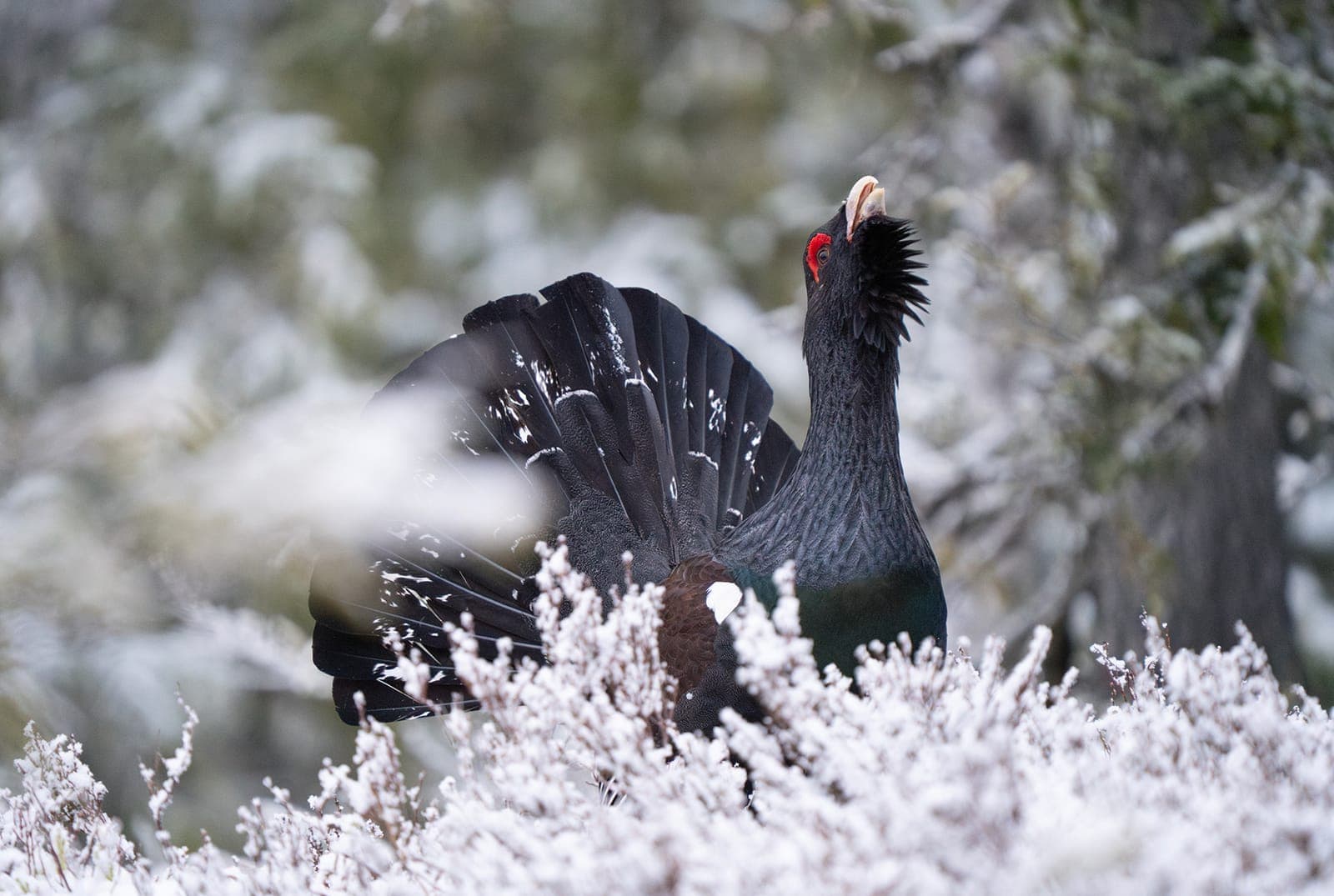
Choosing the right camera equipment for a photo tour can make the difference between stunning images and missed opportunities. As a wildlife photographer, you face unique challenges – from photographing fast animals at distance to handling tough weather conditions.
Modern System Cameras – Why Mirrorless is the Future
Mirrorless system cameras have revolutionized wildlife photography and become the first choice for most professional photo safaris. The main advantages are:
Silent Shutter – Invaluable when photographing shy animals that react to the slightest sound. In electronic shutter mode, you can take completely silent pictures.
Fast and Precise Autofocus – Modern system cameras have hundreds of focus points covering most of the frame, giving you flexibility to compose more freely.
Animal Eye Autofocus – Advanced AI recognizes and automatically focuses on animals' eyes, even when they're moving quickly. This feature is particularly valuable for bird photography and predator portraits.
Electronic Viewfinder – You see exactly how the image will look with current exposure and white balance settings, saving time and battery power.
Smaller Size – Important on long photo safaris where every kilogram counts.
Telephoto Lenses – Range Determines Everything
Your telephoto lens choice depends entirely on your destination and photography style:
400-600mm for Africa – On traditional photo safaris, you need longer focal lengths since safety distances to large animals are often 20-50 meters. A 200-600mm zoom or fixed 400mm/500mm is ideal.
100-400mm for Europe and Hides – When photographing from hides or in European environments, shorter telephotos are often sufficient. Birds at feeding stations and smaller mammals can be effectively photographed with 300-400mm.
Zoom vs. Prime – Zoom lenses provide flexibility and reduce the need for lens changes in dusty environments. Prime telephoto lenses are often slightly sharper and faster, but less practical for fieldwork.
Tripod or Handheld – Adapt to the Situation
Handheld photography works best during:
- Photo safaris from vehicles where mobility is important
- Fast animal movements
- Early morning or late evening light with short shutter speeds
Tripod or monopod is necessary for:
- Long waiting periods at hides
- Heavy telephoto lenses over 500mm
- Photography in low light with long shutter speeds
- Precise composition of landscape images
A carbon fiber tripod is worth the investment for photo tours – it provides stability without unnecessary weight.
Memory Card Management on Tour
A structured backup routine can save your entire photo tour:
Dual Card Slots – Use your camera's RAW+JPEG function to save RAW files on one card and JPEG on another. This provides immediate backup.
Daily Backup – Transfer images to laptop or external hard drive every evening. Cloud upload rarely works in remote locations.
Storage Capacity – Count on 2-5 GB per day for intensive photography. For a week-long photo safari, you need at least 50-100 GB total storage capacity.
Card Management – Label your memory cards and have a system for used vs. empty cards. A missed card can mean lost unique images.
Protection Against Dust and Moisture
Modern cameras are built for tough conditions, but preventive measures extend your equipment's lifespan:
Minimize Lens Changes – Especially in dusty savannah or at sandy beaches. Plan your lens choices in advance.
Cleaning Equipment – Bring blower brush, microfiber cloths, and cleaning fluid. Dust on sensor or lens ruins images.
Protective Storage – A well-functioning camera bag with rain protection is more important than expensive equipment that gets damaged.
Battery Management – Cold and heat affect battery capacity. Always have spare batteries and protect them from extreme temperatures.
Practical Tips for Fieldwork
Test Your Equipment before departure – Learn your camera's menus and shortcuts. During a photo safari, the technology should be automatic so you can focus on the image.
Packing List – Make a detailed list and check it off. Forgotten chargers or adapters cannot be replaced in remote locations.
Backup Equipment – Have at least one spare camera body and a shorter telephoto lens as backup. Technical problems always occur at the worst times.
The right equipment is the foundation for successful wildlife photography, but remember that technology never replaces knowledge of animals, light, and composition. Invest time in learning your equipment before you leave – then you can concentrate on what really counts: capturing nature's amazing moments.
Enjoying what you read?
Subscribe to our newsletter for more photo tips and travel inspiration.