
Hide photography in Shompole Wilderness
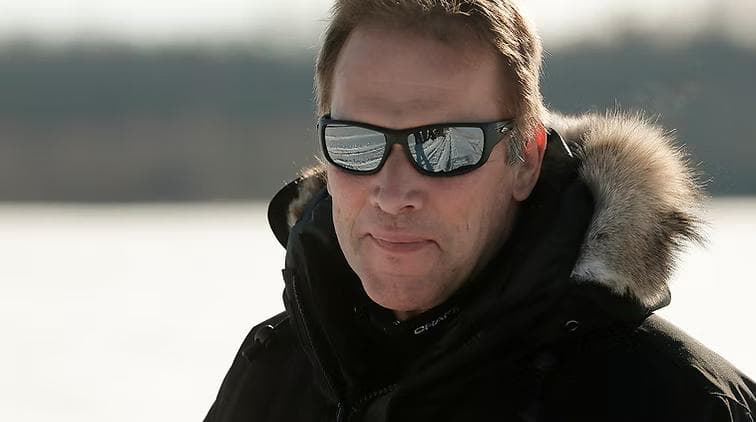
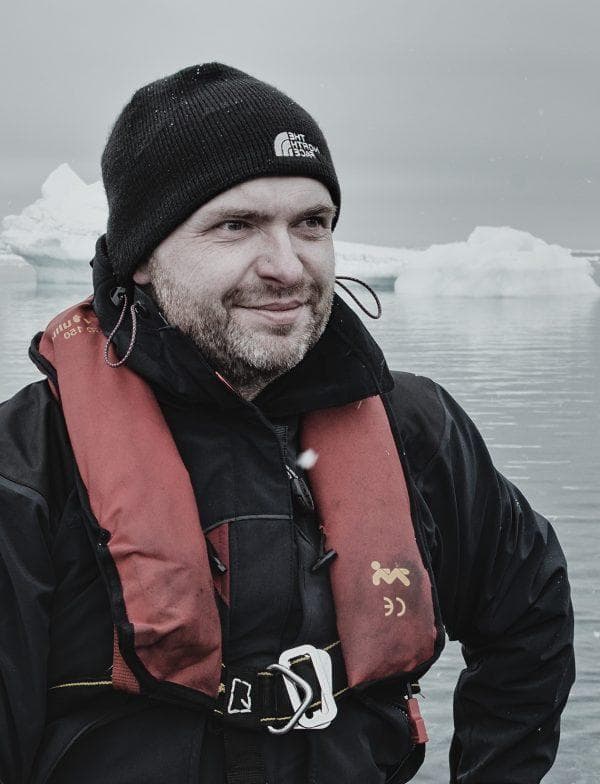
With guidesBrutus Östling, Michael Ahlén
- Dates
- 5 Mar – 12 Mar 2027
- Duration
- 8d / 7n
- Group size
- 4–8
- Difficulty
- Easy
- Price
- From 6,250 EUR · ≈ $7,000 USD
Trip description
Exclusive hide photography in Shompole Wilderness, Kenya
Join FocusRAW to one of East Africa's most exciting and untouched wilderness areas – Shompole Wilderness in southern Kenya. Here, in the dramatic Rift Valley near the border with Tanzania, open savannahs, bushlands, riverine forests and the shimmering landscape around Lake Natron come together.
This is a trip for you who want to get truly close to Africa's wildlife. Not through stressful game drives or long days chasing the next subject, but through long, concentrated sessions in specially built photography hides where the animals come to you themselves. The result is an intense, focused and deeply photographic experience – with the possibility of images at eye level, in controlled light and with a closeness that is difficult to achieve on a traditional safari.
Shompole Wilderness encompasses over 140,000 hectares of privately managed wilderness area. The reserve is run in close cooperation with the local Maasai population, which makes the place both genuine and sustainable. Tourist pressure is very limited, the animals move naturally and the environment still feels truly wild.
There are 21 predator species here, most of Africa's large mammals – with the exception of the rhinoceros – and over 435 bird species. For the nature photographer this means an unusually rich combination of large mammals, nocturnal species, birds of prey, small birds and more rare subjects.
A trip built for serious hide photography
This trip is tailored for photographers who want to work methodically and get the most out of every situation. Only four participants + guide per hide, which provides a calm, personal and flexible atmosphere with plenty of room for each photographer.
During the trip we stay and photograph several nights in specially built hides at active waterholes. The hides are constructed specifically for photographers and placed with great care for light, background, subject variation and distance. Here we photograph without glass in front of the lens, with open photo hatches and effective net camouflage that ensures the animals are not disturbed.
The water reaches all the way up to the hides and many subjects come in at very close range, often around 9–10 metres from the camera. This makes it possible to create images with a low angle, a strong sense of presence and a completely different expression than when photographing from a vehicle.
One of the great strengths of Shompole is the ability to work with the light. Depending on the hide, time and situation, we can photograph in front light, side light and back light. This opens up everything from graphic silhouettes at dawn to dramatic night images and detail-rich portraits with directed lighting.
Plains Hide – large mammals and open landscapes
Plains Hide lies in an open savannah landscape and is particularly strong for larger mammals. Here elephant, giraffe, buffalo, zebra, impala, waterbuck and wildebeest may come in to the waterhole, often in very photogenic situations.
Predators such as lion and leopard also move through the area, and during the night there is a chance of several nocturnal species. Civet, spotted genet, porcupine and other more difficult-to-photograph animals may appear in the darkness.
The hide is also very interesting for bird photography. In the evenings large flocks of guineafowl can gather at the waterhole, while the mornings often offer doves, sandgrouse and other activity in the first light.
Kichaka Hide – shyer species and a more intimate feel
Kichaka Hide lies in denser and more bushy vegetation, with higher grass and a different character than Plains Hide. Here the images often take on a more intimate and mysterious feel, and the location is particularly interesting for shyer and smaller species.
Among the possible subjects are caracal, African wildcat, honey badger, bat-eared fox, civet and genet. The number of animals may sometimes be lower than at the open savannah hide, but the species list is very exciting and the potential for unusual images is great.
Kichaka Hide is also excellent for birds and smaller mammals, and the variation between the two main hides gives the trip a broader photographic expression.
Bird Hide – relaxing photography at the camp
In the camp area there is also a smaller bird hide. It is a fine option during the daytime, especially when you want to photograph at a calmer pace or use the time between the night sessions for lighter image-making.
Here there is the opportunity to work with small birds, details and more low-intensity situations without leaving the camp.
Comfortable hides for long sessions
Since the photography takes place from late afternoon to the next morning, the hides are built so that you can spend many hours there comfortably. Each hide has five beds, a toilet, wifi as well as food and drink for the night.
A local field guide and at least one photographic leader from FocusRAW are always with the group. The transport to the hides is part of the experience: we walk a short stretch down to the river, cross by boat and then continue by Landcruiser to the respective hide.
Sessions normally begin around 16:00 and we return to the camp around 10:00 the next morning.
A typical day in Shompole
After a night in a hide we come back to the camp in the late morning. There brunch, rest, sleep, image work or a review of the night's images await. In the middle of the day there is time for recovery, since the nights can be both long and intense.
In the afternoon we gather for coffee or high tea before it is time to prepare the equipment and head out towards the next hide session. Dinner is eaten in the hide, and after that the photography continues through the evening, the night and the dawn.
The trip is intense, but the rhythm works very well: strong photo sessions during the most interesting hours of the day and much-needed recovery in the beautiful camp by the Ewaso Ng’iro river.
The camp is small and personal, with only seven tents. It feels both comfortable and wild – a place where you are close to nature without having to compromise on safety and recovery.
Description of the hides:
Waters Edge: The furthest part of the water edge is TEN meters and it is TWELVE meter across. The water comes right up to the Hides.
Lighting: There are THREE types of lighting all DIMMABLE. 1. FRONT lighting, 2. SIDE lighting with adjustable height, and the 3. is the BACK lighting that gives great silhouettes and enhances the dust.
Getting there from the camp: Please note that the Plains Hide is 4.7kms (3miles) away from the camp on the other side of the river and you need to drive there. Firstly, there is a five minute walk to river where you will cross in a boat, that is pulled across the river with a rope. Once across, the vehicles will be waiting for you. it is a drive 15 minute drive.
Once inside the Hide we open up the windows (there is NO GLASS between you and the animals). There is netting to camoflage you from the animals seeing you.
You can spend an afternoon and evening there, or an early morning or like most people you can stay the whole night in the hide.
There are 4 beds, fans, flushing loo and Starlink internet! We provide gimbals and bean bags (please bring your own camera mounting plates).
Mammals seen at Plains Hide
Guides
Brutus Östling
Travel Guide & Photographer
Brutus Östling, born in 1958 in Stockholm, worked for three decades as a book publisher before breaking through as a bird photographer with his debut book Mellan vingspetsarna (Between the Wingtips) (2005). Since then, he has p...
Read more about BrutusMichael Ahlén
Wildlife Photographer
Michael Ahlén is a wildlife photographer, filmmaker, and guide whose visual style often leans toward the monochrome and blackandwhite. His imagery is built on atmosphere, patience, and a strong sensitivity to nature’s most inte...
Read more about MichaelPrice & booking
Clear pricing. Small groups. Focus on the images.
Standard price
6,250EUR
≈ $7,000 USD
per person · Shared double room
Booking deposit500 EUR
Travel guarantee included
You’ll get confirmation and next steps by email.
Photo gallery
Itinerary
Day 1 – Arrival in Nairobi
We arrive in Nairobi and stay overnight at a hotel near the airport (included in the tour price, including transfer from the airport to the hotel).
Day 2 – Transfer to Shompole and the first hide session
After breakfast we continue by car to Shompole Wilderness. The journey takes about four hours. After arrival we check in at the camp, have lunch and go through equipment, safety and the plan for the coming nights. In the afternoon coffee awaits before we head out to the first hide.
Day 3–7 – Hide photography, rest and image work
We normally return to the camp around 10:00 after the night's photography. After that, brunch, rest, image review and recovery await. In the afternoon we prepare for the next session. During the trip we alternate between the different hides to get maximum variation in subjects, environments and light.
Day 8 – Return to Nairobi
After brunch we check out from the camp and travel back to Nairobi in good time for the journey home.
Included in the price
- Accommodation in a double room
- 6 nights in a hide
- Meals and drinks incl. beer & wine
- Entrance to reserves/parks
- Transfer Nairobi - Shompole
- Transfer airport - airport hotel
- Premium Hotel near Nairobi airport
Not included
- Personal expenses
- Champagne
- Round-trip flights to Nairobi
Rekommenderad fotoutrustning
Shompole bjuder på en ovanligt stor variation av motiv – från elefanter och giraffer på nära håll till mindre rovdjur, nattaktiva däggdjur och fåglar. Därför rekommenderar vi att du tar med ett flexibelt objektivurval, från vidvinkel till tele.
Ett mycket användbart grundkit är en normalzoom i området 24–70 mm, gärna kompletterad med en 70–200 mm. För många situationer i gömslena är dessa brännvidder perfekta, särskilt när större djur kommer nära vattenhålet. Har du möjlighet att ta med ännu vidare vinkel kan det vara mycket effektfullt för elefanter, giraffer och miljöbilder där du vill få med landskapet och känslan av platsen.
Ett teleobjektiv eller en telezoom upp till omkring 300 mm är också mycket användbart. Längre brännvidder än så kan ge ganska tajta utsnitt, eftersom djuren ofta kommer nära, men de är utmärkta för porträtt, detaljer, mindre arter och fågelfotografering. För små kattdjur, fåglar och mer grafiska närbilder kan 300 mm eller längre vara mycket värdefullt.
Som generell riktlinje fungerar vidvinkel bäst för stora djur som elefant och giraff, medan 70–200 mm ofta är idealiskt för lejon, leopard, zebra, impala och gnu. Brännvidder från 300 mm och uppåt passar bäst för mindre däggdjur, fåglar, porträtt och mer komprimerade bildutsnitt.
Eftersom mycket av fotograferingen sker i svagt ljus, skymning, natt och tidig gryning är ljusstarka objektiv en stor fördel. Objektiv med f/2,8 eller bättre ger både snabbare slutartider, lägre ISO och bättre arbetsmarginal när ljuset är som mest intressant.
Gimbals och beanbags finns i gömslena, men ta med egna fästplattor till kamerahus och objektiv så att din utrustning passar de stativhuvuden och stöd som finns på plats. Ett extra kamerahus är också en klar fördel, eftersom det gör att du snabbt kan växla mellan exempelvis vidvinkel och tele utan att byta objektiv i gömslet.
Practical information
Photographic leader
Brutus Östling
Number of participants: Minimum 4, maximum 8
Included in the price
Share in a double room/tent, all meals are included as well as alcoholic beverages except Champagne.
Local field guides, entrance fees and other charges, photographic guidance by our photographic leaders, who are available for questions or advice.
Accommodation
We stay in a tented camp of medium standard. However, we spend the nights in the hide, so our tented camps are mostly used for daytime rest and showers. The camp is very family-oriented; unlike most other camps, this one is run by the du Toit family, i.e. Johann and Samantha with their two children. During brunch we are usually joined by the family.
Not included in the price
Round-trip flights to Kenya, insurance and other items of a personal nature.
Tips for local field guides and the camp's service staff (people usually give at least 12 USD per day to the guide; for the service staff it varies more, but we usually recommend giving the same amount). Tipping is not mandatory but it is greatly appreciated.
Start and end of the trip
The trip begins and ends at Nairobi airport.
About flight times
We will get back to you before the trip with flight suggestions.
Clothing
It is warm in March. Most of the time you wear shorts and a shirt/sweater. Mornings can possibly be a little cool. A cap or hat is good as protection against the sun. A pair of sturdier but breathable sneakers is the best choice for your feet.
Payment terms
The payment terms deviate from our general travel conditions. The booking deposit of 500 EURO is paid by invoice in connection with registration; the booking deposit is not refunded upon cancellation. A further 1000 EURO is paid no later than the end of October 2026. This amount is not refunded if cancellation occurs after this date. The remaining amount is paid no later than 70 days before the trip begins. If cancellation occurs later than 70 days before the trip begins, the traveler is obliged to pay the full price of the trip, even if payment has not been made on time.
Extra travel conditions for this trip:
If the lodge increases the price Fokus can increase the price up to 5 % of the total price, if more we will have to ask you if it is OK. The price is based on exchange rate of 9,60 SEK for 1 USD.
Availability
The accommodation and hides have limitations regarding availability.
Visa/Passport
Swedish citizens no longer need a visa for Kenya. An "ETA" (Electronic Travel Authorization) is required for entry into Kenya. This is done through an online application via the Kenyan immigration authority's website, at the earliest 90 days before departure. A passport is required at check-in for flights. Rules may change, and we keep the person who books informed as soon as we know.
Health
Contact your doctor to seek advice about vaccinations.
The group and language
Our trips are intended for Swedish-speaking/Scandinavian groups. We try to stick to Scandinavian participants. The trips are open to other nationalities, which means that the group can in some cases be international. But generally our groups have been Swedish or Scandinavian.
The travel leaders on our trips speak Swedish and English.
Information about key rights under Directive (EU) 2015/2302
Good to know
Popular signature expedition
This is one of our most requested tours among wildlife photographers.
See current availability and prices in the booking form above