
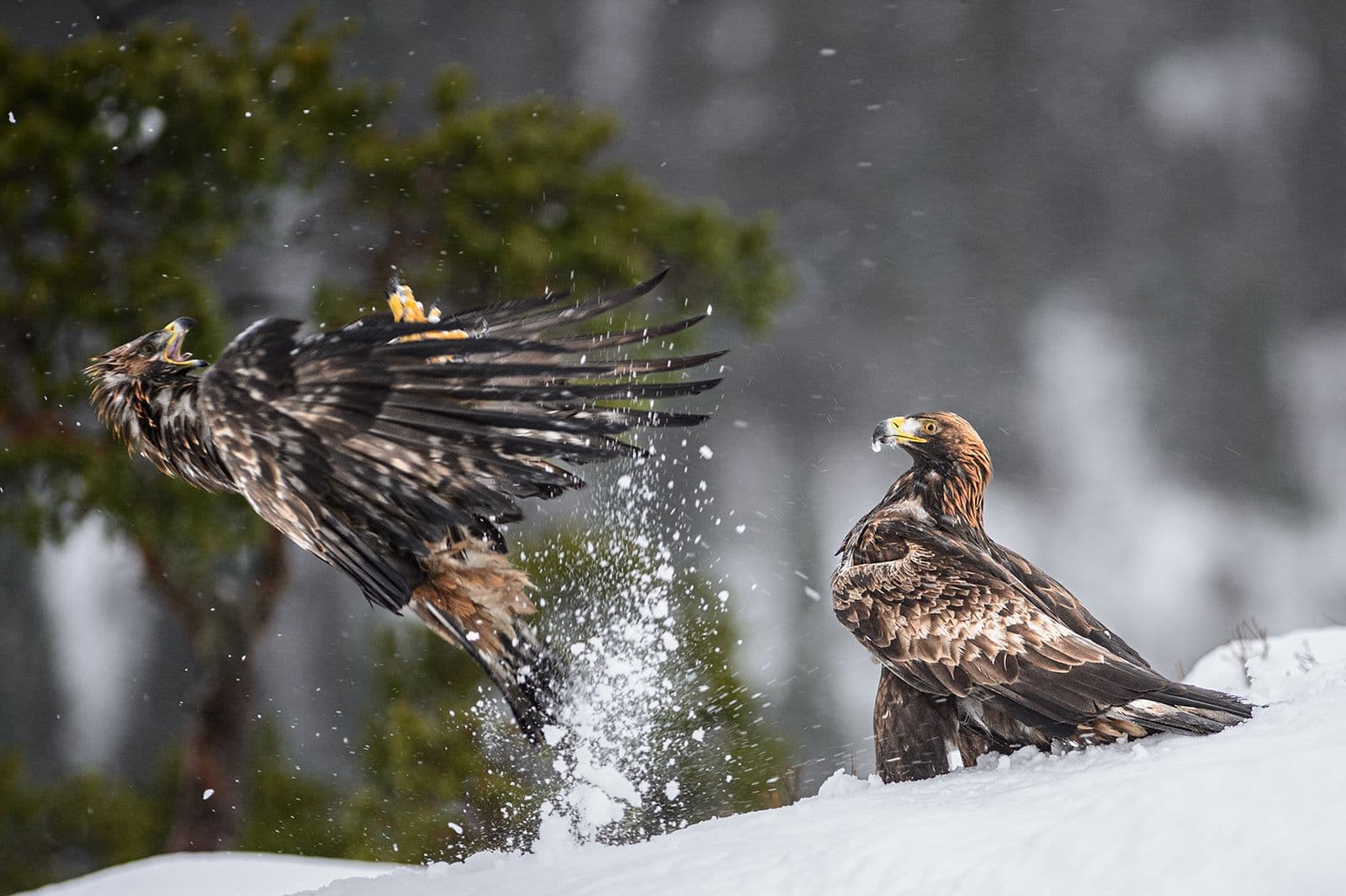
Golden eagle and sea eagle photography in wintry Norwegian mountain environment
Winter in the Eagle Kingdom
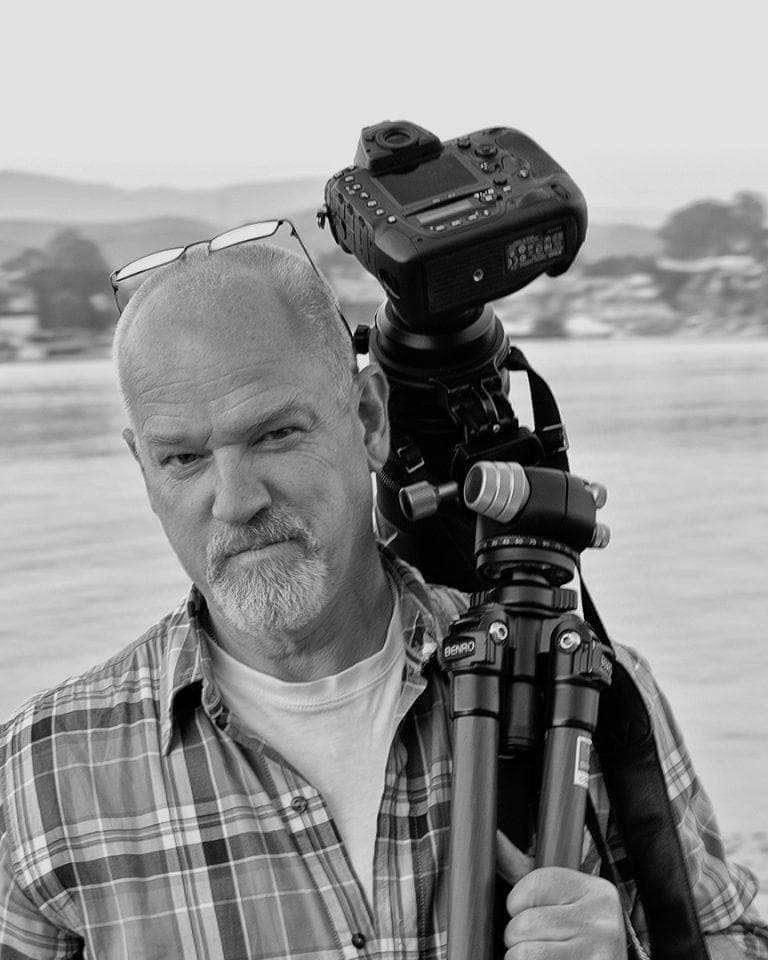
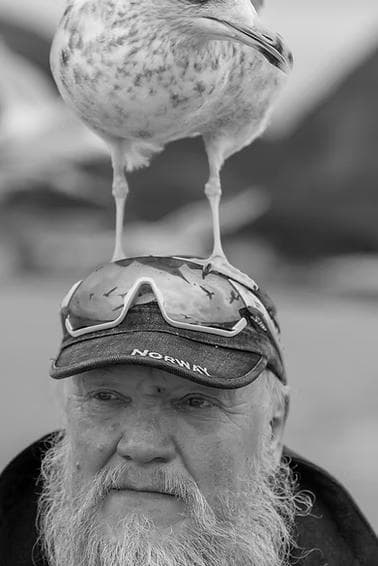
With guidesFrode Wendelbo, Ole-Martin Dahlé
Fokus Fotoresor
Trip description
Fantastic eagle photography in wonderful environment. We use the well-established golden eagle hide at the mountain edge. One of the days we spend at sea photographing sea eagles together with one of our finest eagle guides, Ole Martin. In winter there is often even more extreme action, and this season becomes extra exciting with sea eagles that come even closer than in summer. Three full days of intensive photography, four nights. Frode Wendelbo has been here many times over many years, and he naturally provides advice before the photo sessions in the mountains and at sea.
Golden eagles in wonderful mountain environment
The golden eagle hide in the mountains has attracted photographers from all over the world.
The hide is located on a mountain, behind the place where the eagles are fed lies a "valley" and the background in the pictures becomes the mountain on the other side.
It is a fantastically beautiful environment, the light is favorable from early morning to afternoon, and here comes not only golden eagle but also nutcrackers, crows, magpies and even ravens. During the covid period, a more modern and significantly more spacious hide has replaced the fifteen-year-old hide.
Here lenses from 200 mm to 400–500 mm apply if you shoot with a full-frame camera. Somewhat shorter if you shoot with a camera with crop sensor. A 1.4x converter that fits the long telephoto or the long telephoto zoom is good for close-ups. A 100-400 mm or equivalent is usually perfect, and preferably a converter for close-ups. Those who have faster lenses can of course bring them. A 300 mm f/2.8 with converters provides opportunities for variation.
Sea eagles are rougher and tougher in winter
One of the three photo days we go out to sea. Sea eagles catching fish in winter is something special. They are rougher, go closer to the boat and make intense dives.
"FISH IS OUT, EAGLE IS COMING" shouts Ole Martin Dahle from his position at the helm. Ole Martin operates the boat with experienced hands, he checks the wind direction and after throwing the fish he positions the boat so that we get the eagle either from the side, diagonally from the front or in the best case almost straight from the front. Everything depends on the circumstances: the direction and strength of the wind and the position of the sun but also on which eagle it is.
In Ole Martin Dahle's eagle kingdom in Nord-Trøndelag, it's about more than a hundred eagles, if you count the younger ones too. The sea eagles recognize the boat and Ole Martin.
Over the years, Ole Martin has refined his photographic skills and his homemade technique to perfection. Regardless of which direction the eagle comes from, Ole Martin always ensures that we "shoot" on the left side of the boat. We never need to hesitate, when the eagle approaches, the boat will lie with the port side towards the direction where the eagle will make its dive to take the fish. The photographers can concentrate on getting the shots.
We stay at the Eagle House
We stay at Ørnehuset, a modern, airy and cozy house by one of the fjords down on Ole Martin's land. Here we prepare some meals ourselves, arrange "breakfast packages" or visit the village restaurant Zanzibar.
Guides
Frode Wendelbo
Nature Photographer
Frode Wendelbo is a Swedish nature and wildlife photographer known for his captivating images of wild animals, birds and landscapes. With a sharp eye for detail and a deep appreciation for nature, Frode has dedicated his career...
Read more about FrodeOle-Martin Dahlé
Guide
Ole Martin Dahle, better known as “Eagle Man,” is our local guide in Flatanger. For more than twenty years, he has built up a unique bond of trust with the local whitetailed eagles, allowing them today to come remarkably close...
Read more about Ole-MartinPrice
Clear pricing. Small groups. Focus on the images.
Early bird price
1,660 EUR
≈ $1,900 USD
per person
Normally 1,750 EUR
Save 90 EUR
Shared double room
Booking & peace of mind
Booking deposit
460 EUR
Travel guarantee included
Small group with personal guidance
Planned for the right light, place and pace
You’ll get confirmation and next steps by email.
Photo gallery
Itinerary
The workshop/trip starts and ends in Lauvsnes, Nord-Trøndelag.
Day 1
Arrival to Ole Martin, latest 7 PM. Frode has an evening review of photo technique before the photography.
Days 2, 3 and 4
During these days we do two days in golden eagle hides and one day at sea with sea eagles. We plan the days with consideration to the weather.
Day 5
After breakfast we travel home.
Included in the price
- Share in double room
- Two days in golden eagle hide and one day sea eagle photography in winter environment at sea
Not included
- Travel to and from Lauvsnes
- Pick-up at Steinkjer station can be arranged for a certain cost, from the airport there is an express train every hour to Steinkjer, about one hour
Norway
About Norway
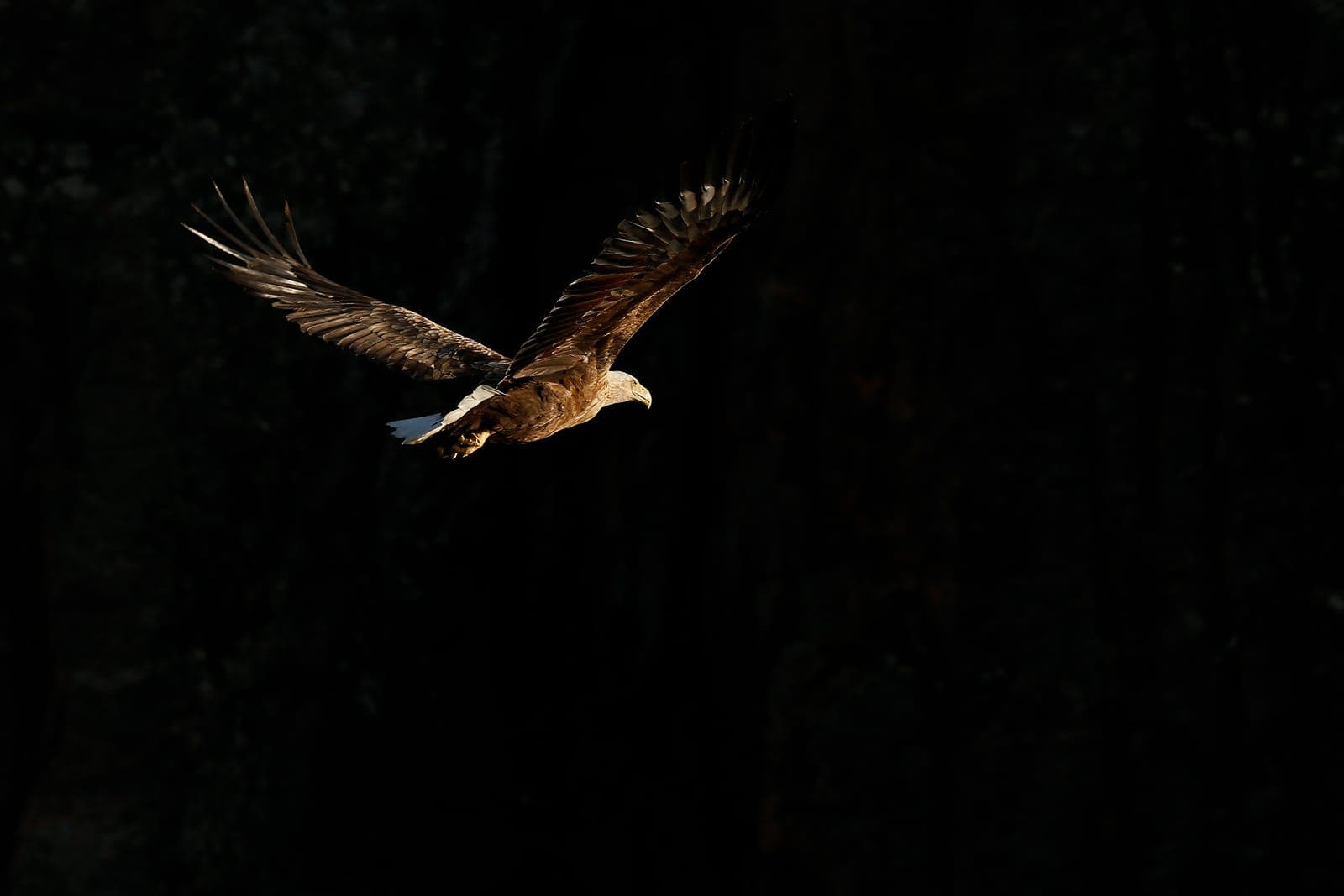
Photograph Norway's dramatic nature with sea eagles in Lofoten, moose in the forests, and northern lights over the fjords.
Highlights
white-tailed eagle, moose, Nordic light, fjord landscapes
Best time
Jan, Feb, Jun, Jul, Aug, Sep, Oct
Difficulty
Moderate
Practical information
Trip leader/guide
Frode Wendelbom / Ole-Martin
Number of participants
Min 5 / Max 5.
Included in the price
Share in double room. Two days in golden eagle hide and one day sea eagle photography in winter environment at sea.
Accommodation
We stay in Ole Martin's Ørnehus, a large, spacious and modern house where we can cook our own food, arrange "breakfast packages" etc. to the hide.
Not included in the price
Travel to and from Lauvsnes. Pick-up at Steinkjer station can be arranged for a certain cost, from the airport there is an express train every hour to Steinkjer, about one hour. We can also help arrange carpooling from Stockholm - if possible.
Single room
Supplement 2,200 kr subject to availability.
Camera equipment
Golden eagle hides in the mountains respectively on the mountain. Here lenses from 200 mm to 400–500 mm with full format apply. Somewhat shorter if you shoot with a camera with crop sensor.
A 100-400 mm or equivalent is usually perfect, and preferably a converter for close-ups. Those who have faster lenses can of course bring them. A 300 mm f/2.8 with converters provides opportunities for variation. In the golden eagle respectively goshawk hide you cannot change lenses, because they stick out.
Since we will have opportunities for many different types of subjects, it is suitable to bring everything from wide-angle lens or normal zoom to telephoto lens. Telephoto zoom lenses, e.g.
70-300 mm or 80/100-400 mm or 200-500 mm (Nikon) alternatively 200-600 mm (Sony) are good because you cannot change lenses in the hide. The alternative is fixed focal length with converters for increased usability.
Since there is a risk that it sometimes snows or in worse case rains, seawater (saltwater!) may splash in the boat. Waterproof equipment or a waterproof camera cover. Also consider having waterproof covers for the camera bag or backpack for boat trips.
If you have access to two camera bodies, it is good to bring both.
Tripod head must be brought for the hides.
A light tripod for possible northern lights photography at night.
Everyone will take more pictures than they might think, so bring several memory cards and hard drives.
Clothing
In the hide we can usually maintain 5-10 degrees with a heater (if it's minus 5-10 outside). Toilet is available in the hide. At sea it is cold not least because of the wind. We get to borrow a warm and relatively wind-protective suit but underneath you need a couple of sweaters and underwear in addition to regular pants. Scarf or neck warmer, wool terry socks, roomy mittens with separate finger gloves under these mittens. We must have mobile fingers to handle the camera equipment during the actual photography. Hat.
When we move on land and walk to the hides, warm outer clothing is needed.
Accessibility
The boat as well as the hide have limitations regarding accessibility for mobility impairments. But a lot can be solved. Contact us well in advance and ask.
The accommodation
is a modern house with four bedrooms, two with two beds and two single rooms. A desk in each room. Good standard. Terrace with bay view. The village is surrounded by high mountains and fjords. Large common area on the ground floor, two large shower rooms and toilets, kitchen with large dining table that is often used for computer work when we are not eating. Self-catering but there is a restaurant down by the harbor in the village. Well-stocked grocery store, Spar, in the village.
Visa/Passport
Swedish citizens need a passport or national ID card issued by the police. When checking in for flights, a passport is required. In these times, everyone must keep track of special rules, and we will naturally check everything extra carefully and inform as much as we can as it approaches.
Payment terms
The payment terms deviate from our general travel terms.
The registration fee is 4,400 SEK. An additional 5,600 is paid no later than 120 days before. The remainder is paid no later than 60 days before the trip begins. In case of cancellation up to 60 days before the workshop begins, nothing more than the booking fee and invoice number 2 of 5,600 kr is charged, however Fokus retains this. In case of later cancellation than 60 days before the workshop, the full price is charged, regardless of the reason for cancellation.
Our price is calculated based on an exchange rate where the Norwegian krona costs 0.92 SEK (February 3, 2023). The price is based on the price information we received for 2026. Possible increases from Ole Martin Dahle's side may be added.
With fewer than 5 participants = 4 participants, a supplement of 2,500 kr per participant is added.
Insurance
In collaboration with Europeiska ERV, we offer a complement to your home insurance and cancellation protection. All to make you feel as safe as possible on your trip. Read more about what the insurance covers and
Good to know
Plan early for the best light windows
Early decisions improve flight options, logistics, and access to peak photo opportunities.
See current availability and prices in the booking form above