
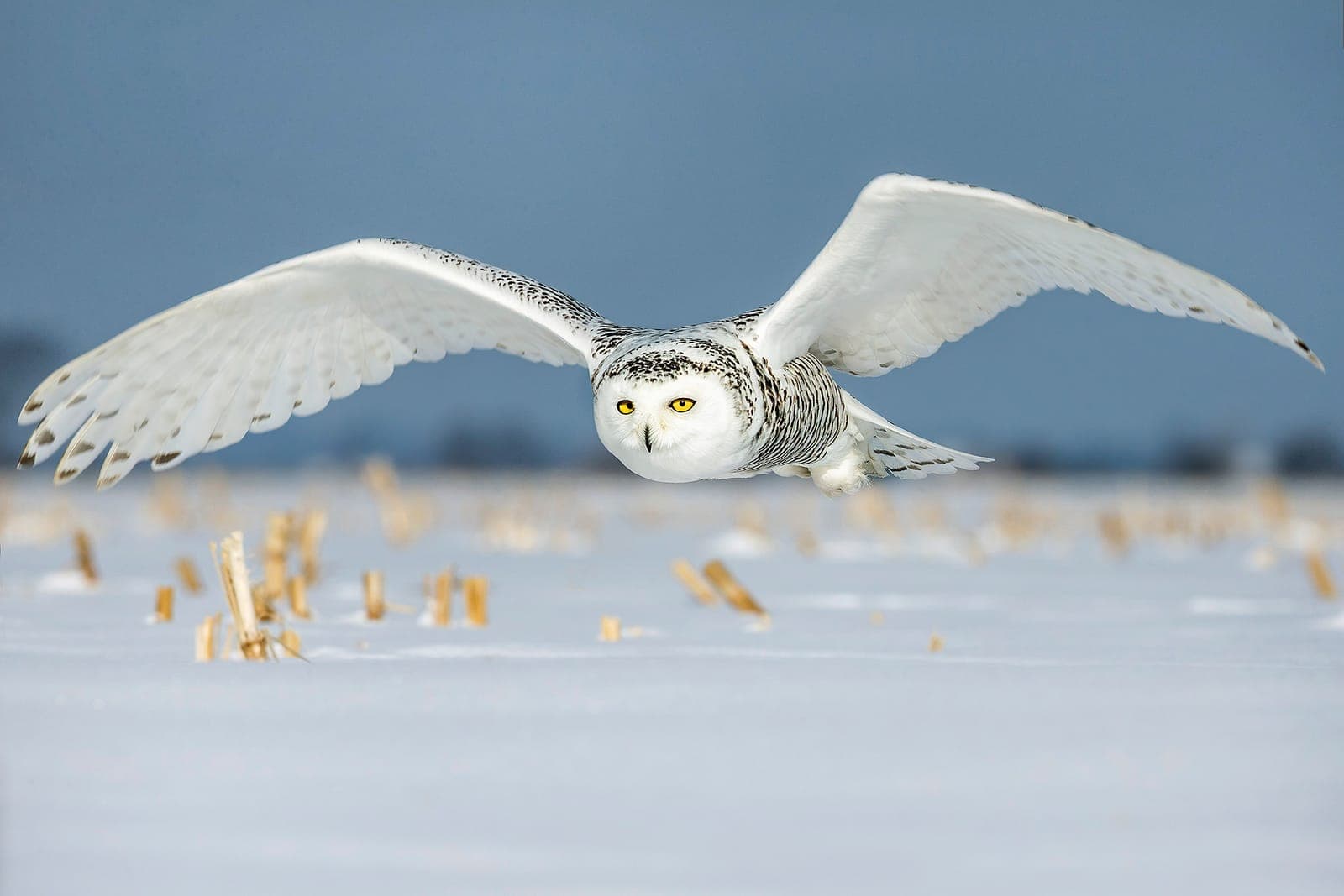
Winter offers some of the year's most spectacular opportunities for wildlife photography of owls and birds of prey. When snow falls and temperatures drop, both challenges and unique chances are created for the prepared photographer.
Snowy Owls in Canada – A World-Class Photo Adventure
Snowy owls represent one of wildlife photography's most fascinating adventures. These majestic owls, with their piercing yellow eyes and distinctive plumage, offer completely unique photo opportunities in Canada's winter landscape.
Success with snowy owl photography requires above all patience and proper positioning. The owls are often active during the day, making them perfect for winter photography when light is limited. Proper positioning means studying their behavioral patterns and placing yourself where they're expected to hunt or rest.
Want to experience this fantastic adventure yourself? Read more about our snowy owl photo tour in Canada.
Birds of Prey in Hungary – Winter Concentration at Feeding Sites
Hungary's winter landscape becomes a gathering point for impressive birds of prey. Common buzzards, red kites, and white-tailed eagles congregate at feeding sites, creating exceptional opportunities for flight shots and behavioral photography.
These feeding sites concentrate the raptors in a way rarely seen during other seasons. The white-tailed eagles, with their impressive wingspans, deliver dramatic images as they dive for food in the snow-covered landscape.
Discover these opportunities on our winter photo tour to Hungary.
Technical Tips for Cold Weather Photography
Battery Management is Crucial
Battery capacity decreases drastically in cold conditions. Always bring extra batteries and keep them warm in inner pockets. Switch batteries regularly and store used batteries warm – they often regain capacity when warmed up.
Protect Your Equipment
Keep the camera under your jacket between shots to maintain operating temperature. This also prevents condensation from forming on the lens when you bring out the camera.
Handle Condensation Smartly
When moving from cold outdoor environment to warm indoor environment, place the camera in a plastic bag before going inside. Then let it slowly adjust to indoor temperature before removing it. This prevents condensation from forming inside the camera.
Exposure in Snow Landscapes
Snow fools the camera's light meter because it reflects a lot of light. To maintain snow's white color instead of getting it gray, overexpose by +1 to +1.5 stops from the camera's reading. This is especially important when snow dominates the image.
Use the histogram to check exposure – the snow should be near the right edge without being clipped.
Proper Clothing for Comfort and Mobility
Layer System Principle
Build up your clothing in layers that you can adjust according to temperature and activity level. A good base is:
- Base layer in merino or synthetic material
- Insulating mid-layer of fleece or down
- Outer jacket that protects against wind and moisture
Hand Protection for Photographers
Fingerless gloves with inner mittens are perfect for photography. You can expose fingers for precision camera adjustments while keeping the rest of the hand warm. Hand warmers in pockets provide extra comfort during long waits.
Planning for Success
Winter photography of owls and birds of prey requires careful planning. Weather conditions can change quickly, and animal behavior is affected by temperature and snow conditions.
Study the weather forecast and be flexible with your plans. The best images often come when you adapt to conditions instead of fighting against them.
With proper preparation and technique, winter photography of owls and birds of prey becomes an unforgettable experience that gives you some of nature's most dramatic images.
Enjoying what you read?
Subscribe to our newsletter for more photo tips and travel inspiration.
Related photo tours
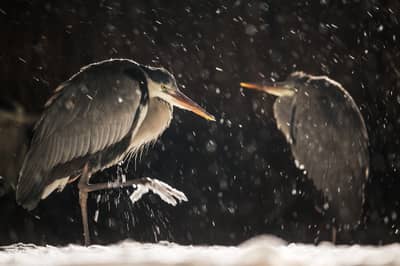
Hungary winter
Photography from the winter hides here at Bence's is an exclusive opportunity. We now invite you to experience Bence Máté's fantastic hides during winter.
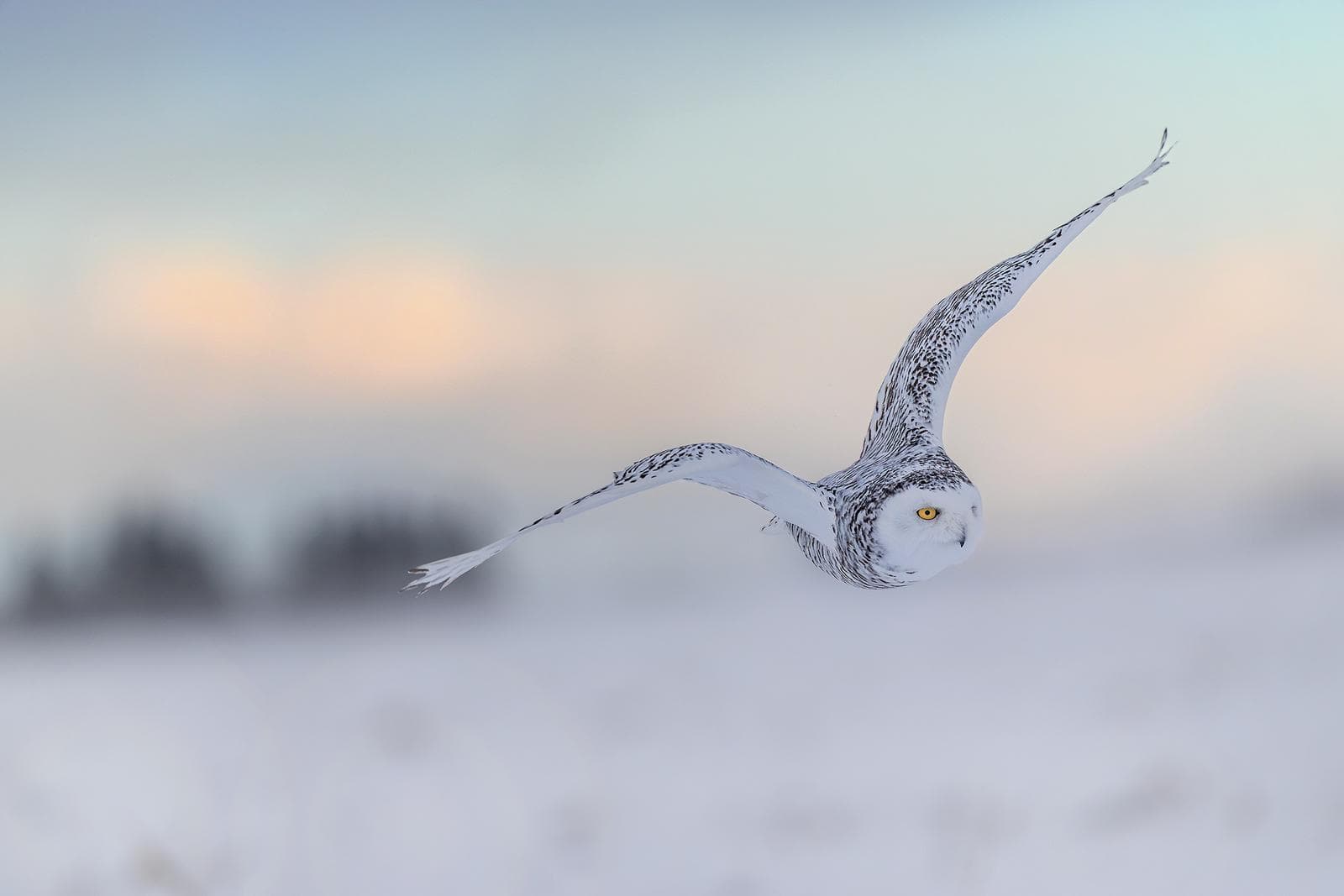
Snowy Owls in Canada
We have set a maximum limit of 7 participants because if we are too many, it becomes crowded for photo positions in certain situations.