
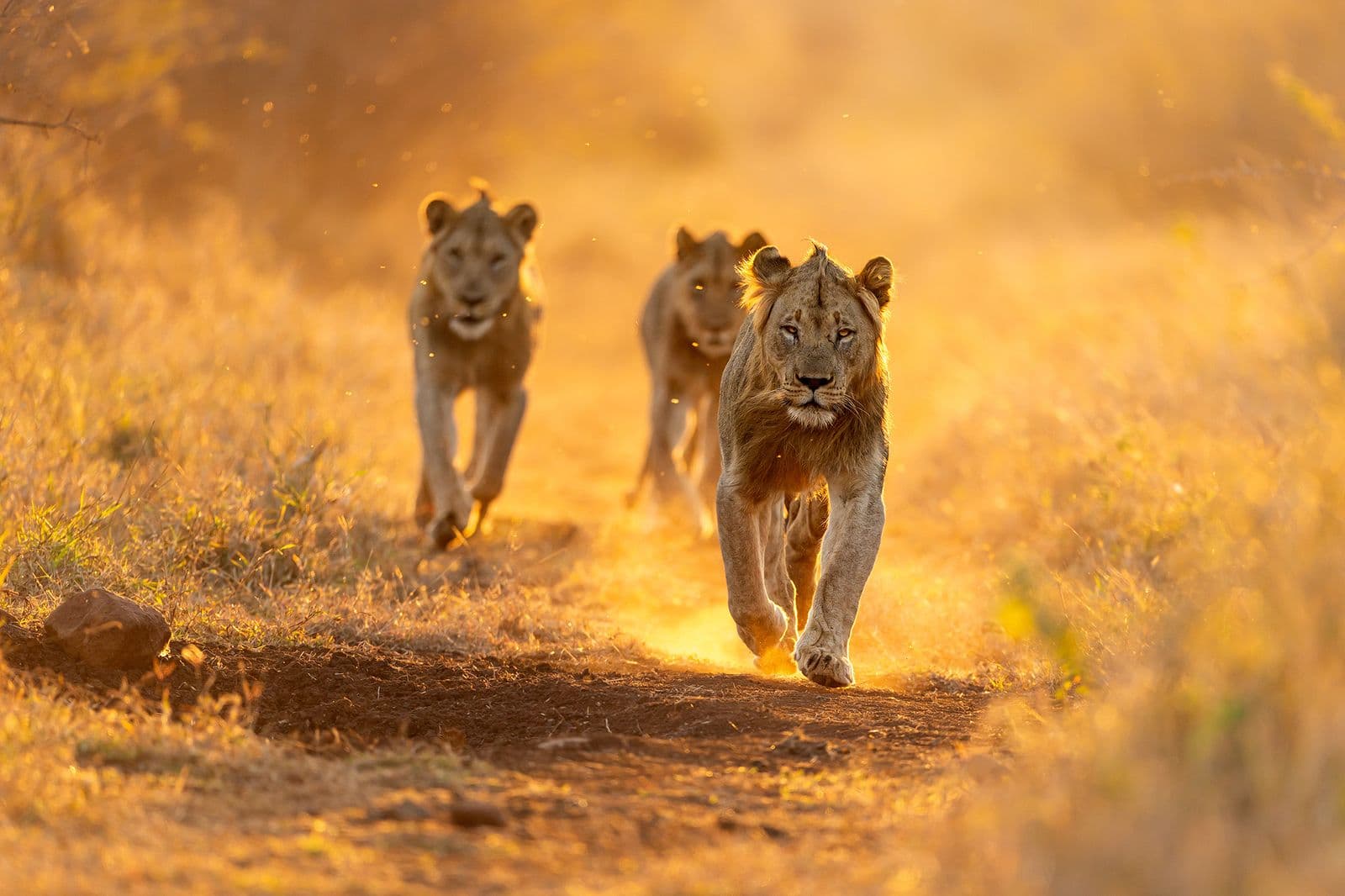
Absolutely world-class photography of Africa's wild fauna in South Africa
Zimanga August 2027
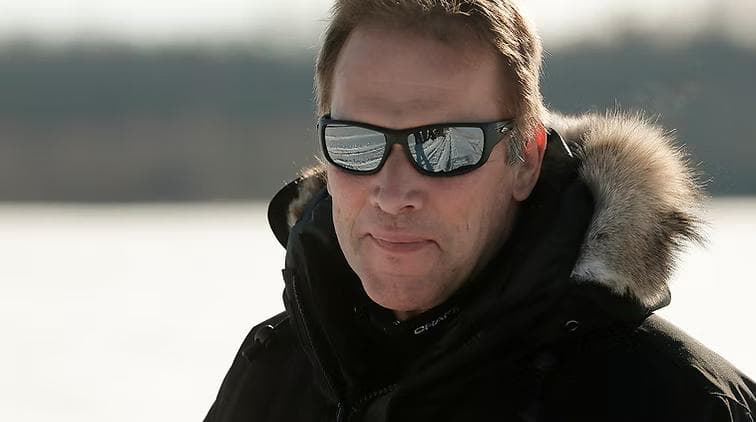
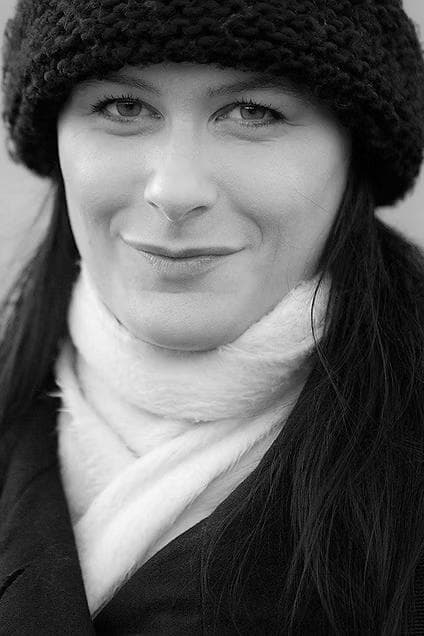
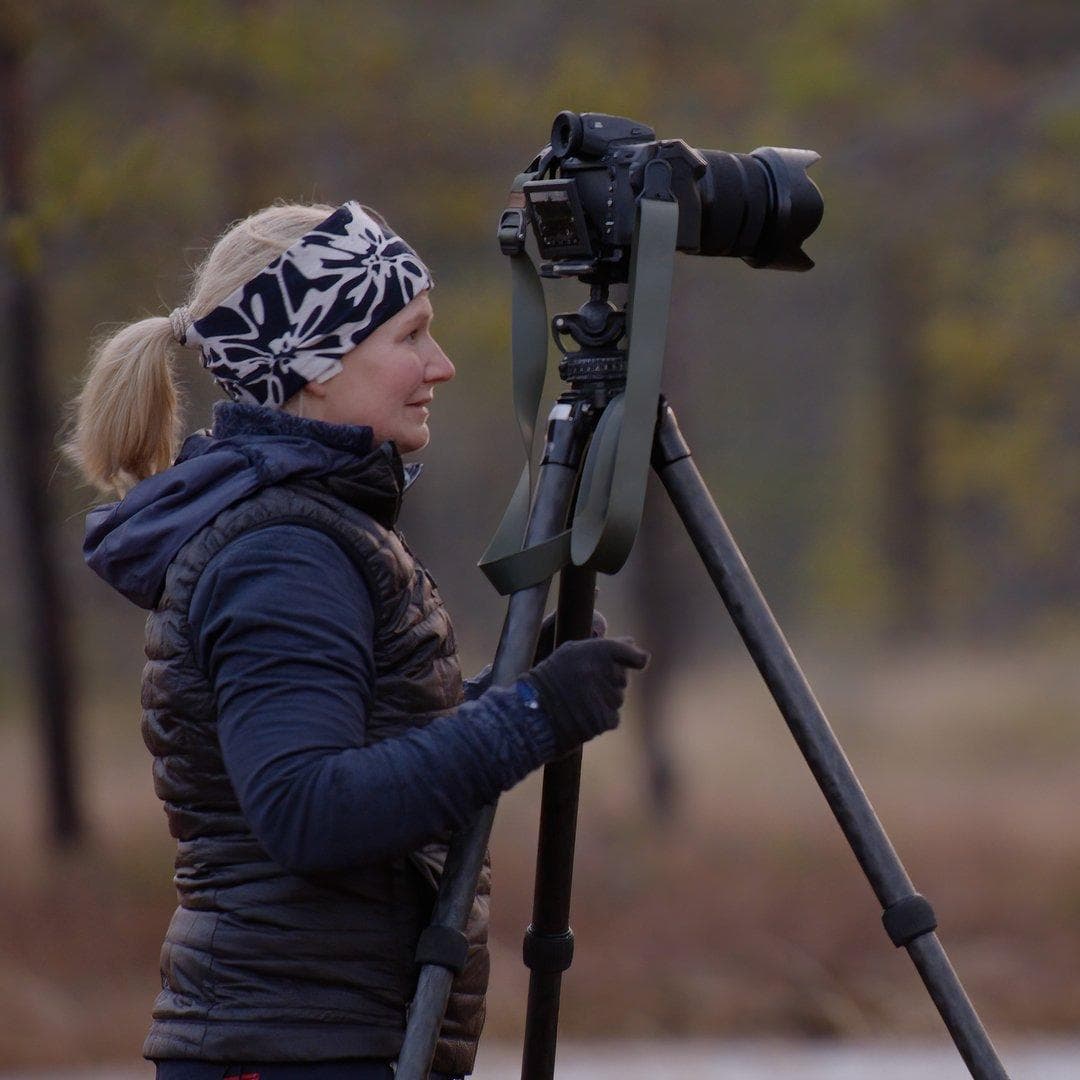
With guidesBrutus Östling, Agneta Östling, Catharina Ahlén
- Dates
- 4 Aug – 13 Aug 2027
- Duration
- 10d / 9n
- Group size
- 14–18
- Difficulty
- Easy
- Price
- From 6,295 EUR · ≈ $7,050 USD
Trip description
If you're going to travel as far as South Africa, it's a waste to skimp on days. That's why we have a longer trip than others do.
All inclusive, now including all extra drinks and more, except for more expensive wines and the like. In addition, the use of four Landcruisers where you can lie down and photograph from a low angle. Jeeps with lie-down capability for low angles apply to all game drives. There are two lie-down positions in each jeep. Normally there are 2-3 photographers per jeep. And you never have to crowd in with a lot of other jeeps.
Zimanga is a reserve entirely dedicated to photographers, with photographically exciting game drives and with completely unique photo hides originally designed by the Hungarian photographer Bence Máté. By 2026, new small-bird hides and perhaps a bat "hide" will be built within the fenced lodge area. Construction of a third night hide began in 2025.
NEWS THIS YEAR, 2026: Over ten to fifteen years, Zimanga has contributed to the reintroduction of wild dogs into African parks and reserves where they were previously found. No fewer than 13 packs could be formed thanks to Zimanga's efforts. The African wild dogs disappeared from Zimanga for a number of years. But now they are back from the spring of 2026.
NEWS no. 2 2026: New lighting has been created in the Tamboti night hide. Now you can photograph both in front lighting (as before) and in creative backlighting. See the first images at the very bottom of the gallery below. This is going to be very exciting. New creative photo opportunities open up.
That Zimanga means world-class photography opportunities is one thing, but the stay here also means a pure luxury holiday. The accommodation, like the food, is first class. The lodge with the detached houses is located in the middle of the reserve; it is close to both the hides and the game drives. And we have chosen the luxurious, fantastic lodge, for the feeling of a holiday, plenty of space—we stay in our own houses, not in cramped rooms! Yet it doesn't cost more per photo day.
Two of the hides are night hides, with room for up to four photographers. We photograph through glass at the level of the water surface; we ourselves sit "below the water surface". The hides are built so that several elephants could "jump" on the roof without any risk to us. Behind the "photography ditch" each person has their own bed, and in a couple of additional rear rooms there is a kitchen and bathroom.
Several hides are dedicated to birdlife, and here too you photograph along the water level, or ground level in the case of the vulture hide. The latter holds four photographers, and it is visited daily by up to twenty to thirty vultures and birds of prey. The background lies a kilometre or so away. Visits by warthog or spotted hyena are common, sometimes also by porcupine. Unique opportunities to isolate the vultures or the mammals against a softened background far away.
Zimanga's night hides have over a few years gained more and more species as more or less regular visitors. In the beginning it was mostly African buffalo, white rhinos and warthogs and sometimes lions or elephants. Among the irregular but recurring guests are now also more species of antelope, giraffes, zebras, spotted hyenas and leopards, and more recently sometimes also serval and, though very rarely, brown hyena and caracal. In 2023 we even had vervet monkeys on a nightly visit to drink water three metres in front of us.
Zimanga was created by Charl Senekal, manager, photographer and doctoral student in zoology. He was tired of all the private reserves that wanted to make money from hunters who buy in to shoot big game in a small fenced area, in other words what is usually called trophy hunting. Zimanga was therefore created for photographers and nature enthusiasts.
Since the reserve works to save rhinos and elephants, it has fourteen armed guards who, both by day and above all at night, protect the reserve's coveted animals against poachers. As visitors we help finance this work.
Zimanga is located in the south-western part of Zululand. The reserve is about 13 kilometres long and has recently been expanded when land that previously belonged to the sugar plantation was incorporated (it is Charl's brothers who run the sugar plantation).
Brutus Östling has visited the reserve fifteen times since 2015 and brought groups nine times. Nowadays Zimanga is good for photography even during other seasons, but we have taken exclusive reserve use during perhaps the best season, July–August. In South Africa it is winter during July–August and therefore the dry season. And for photography at the hide and also for game drives, the dry season is the best period, since many more animals come to drink at the waterholes.
But it is not only the photography that is first class. The same applies to the accommodation and the food. The lodge with the detached houses is located in the middle of the reserve, and it is, in other words, close to all the hides and we can also start the safari trips without long driving distances.
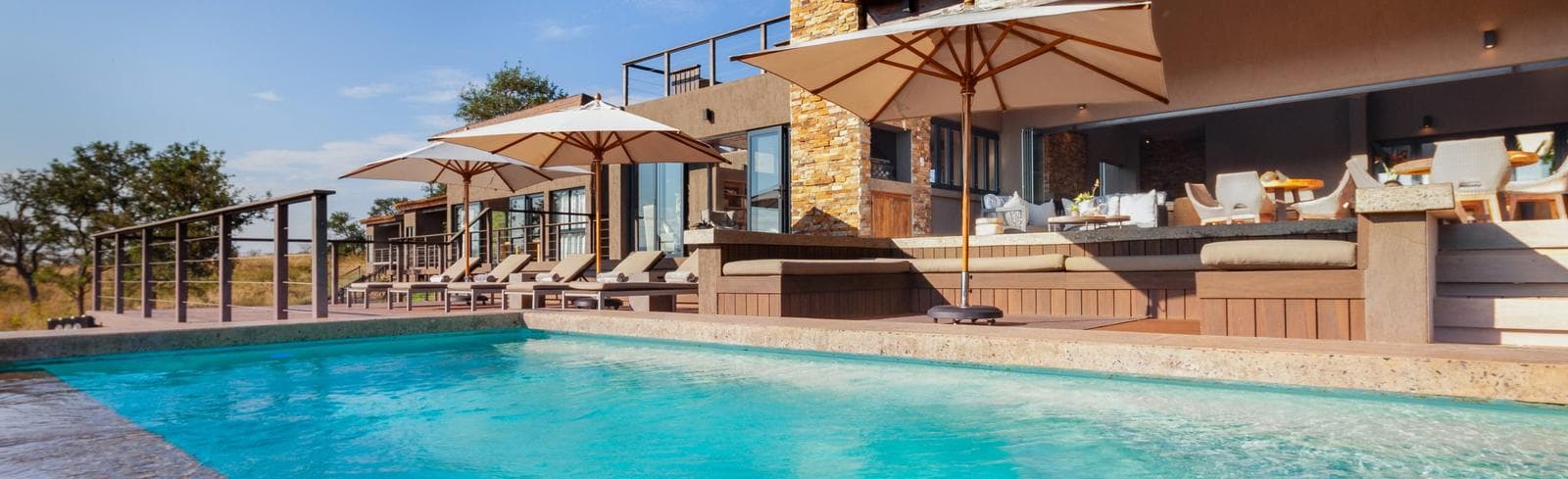
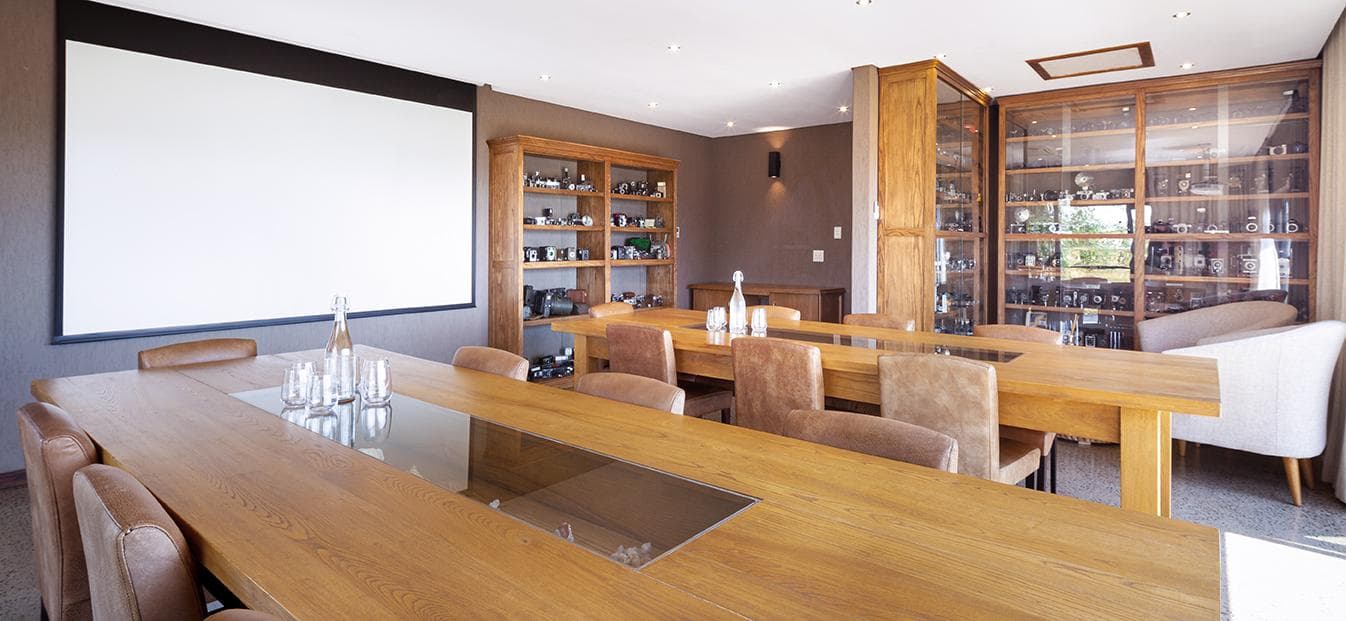
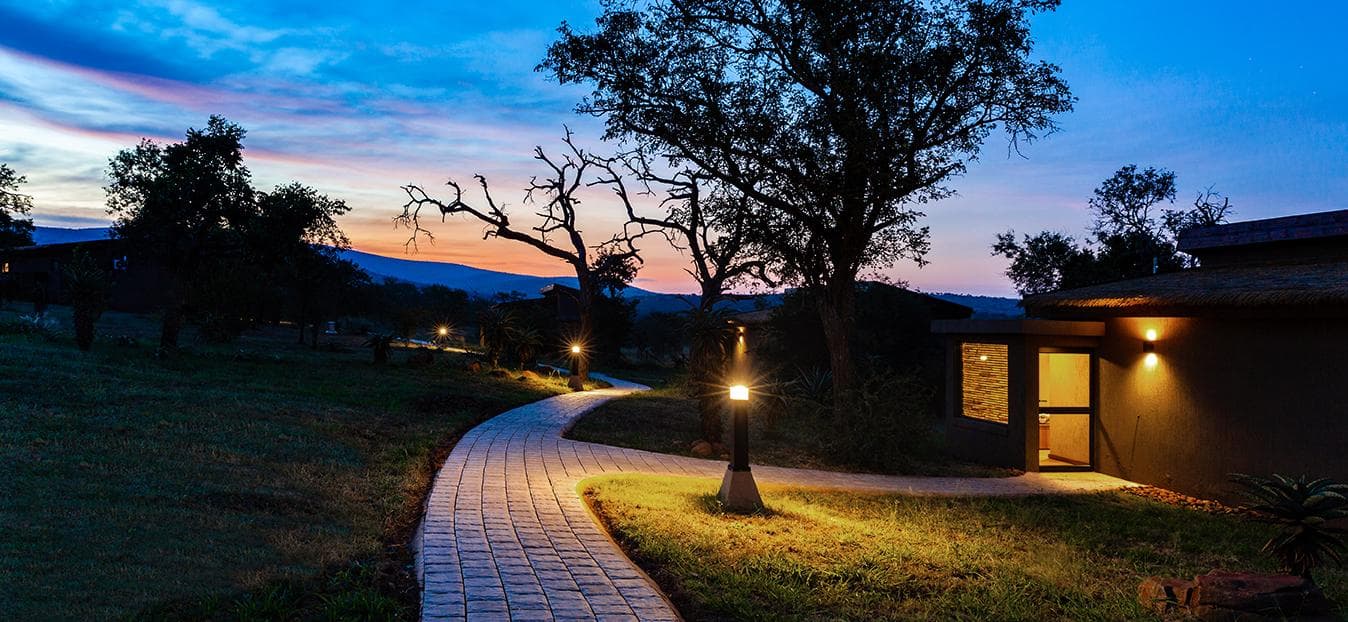
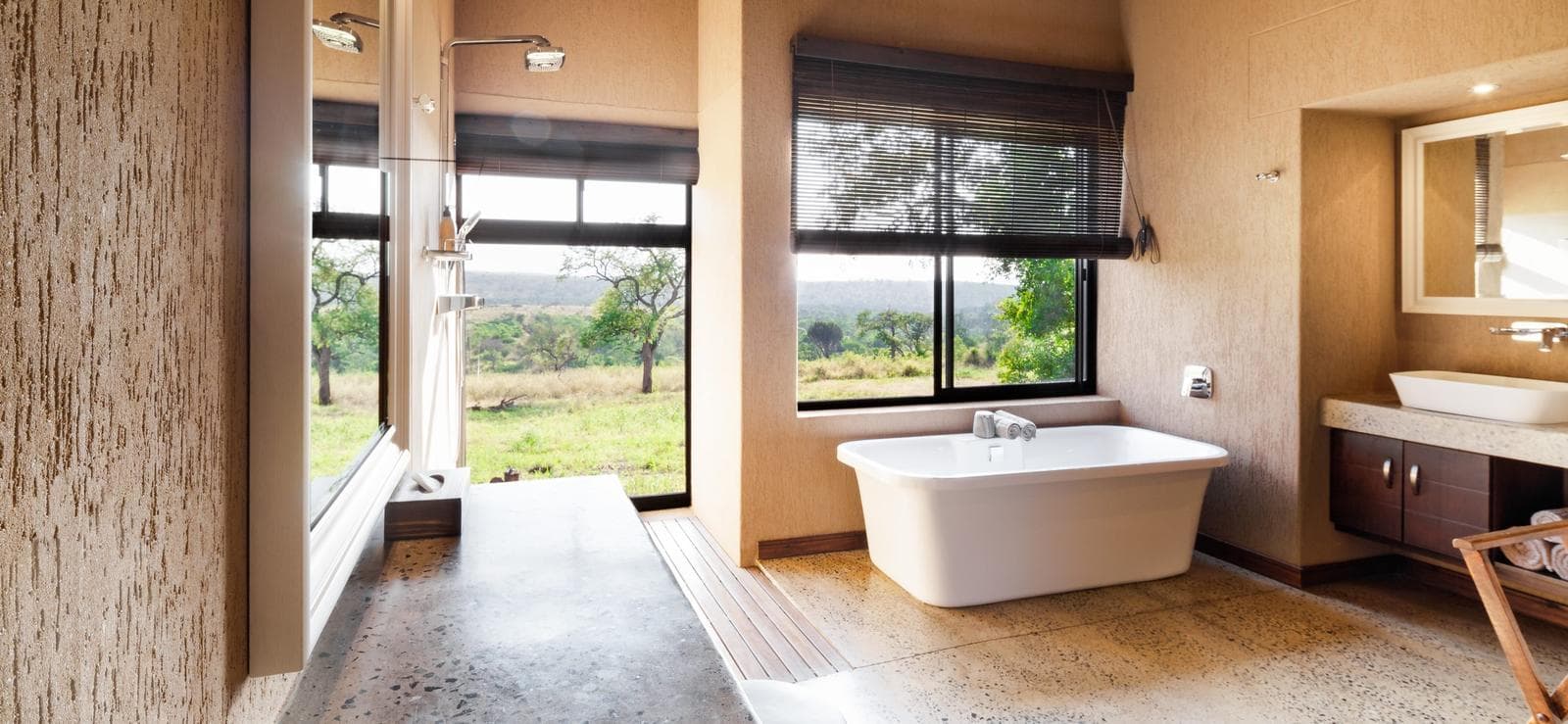
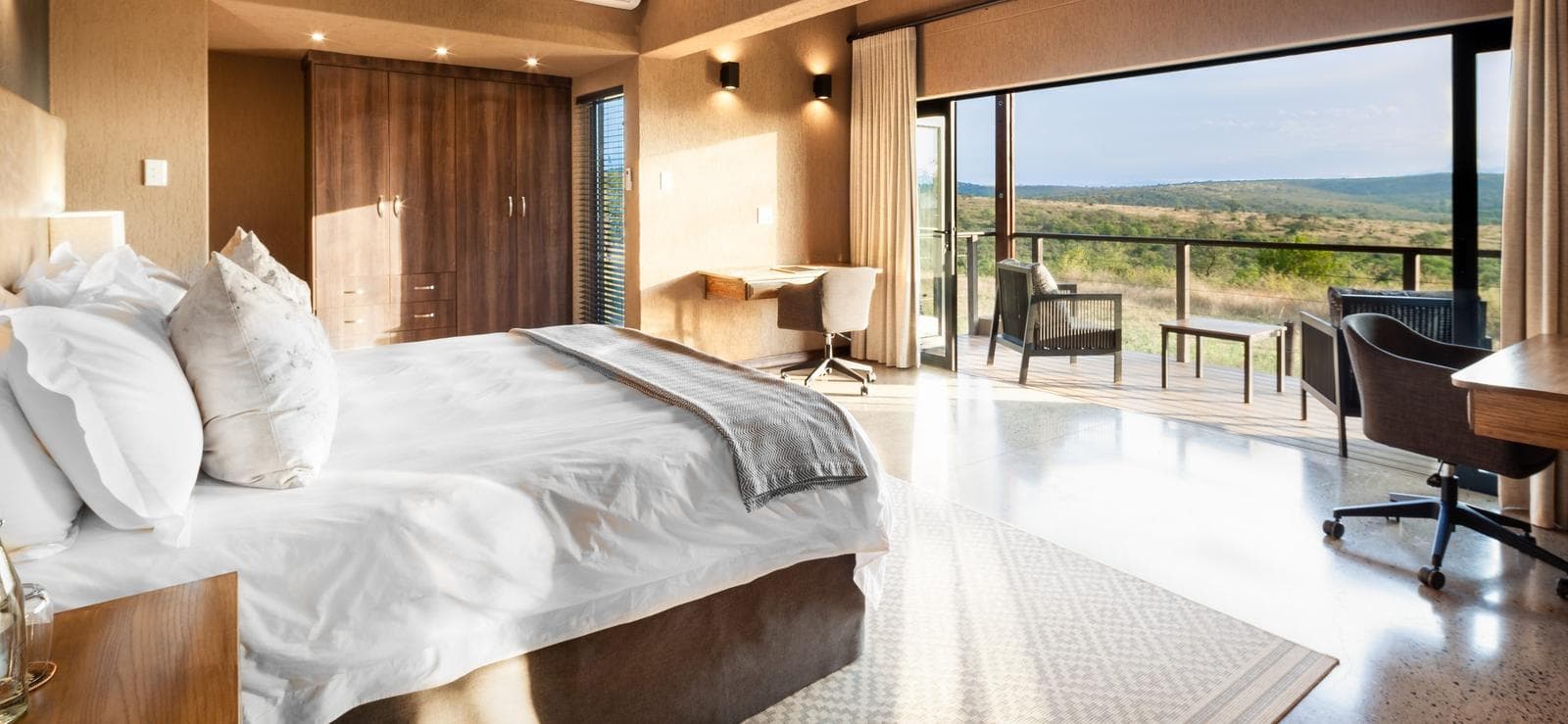
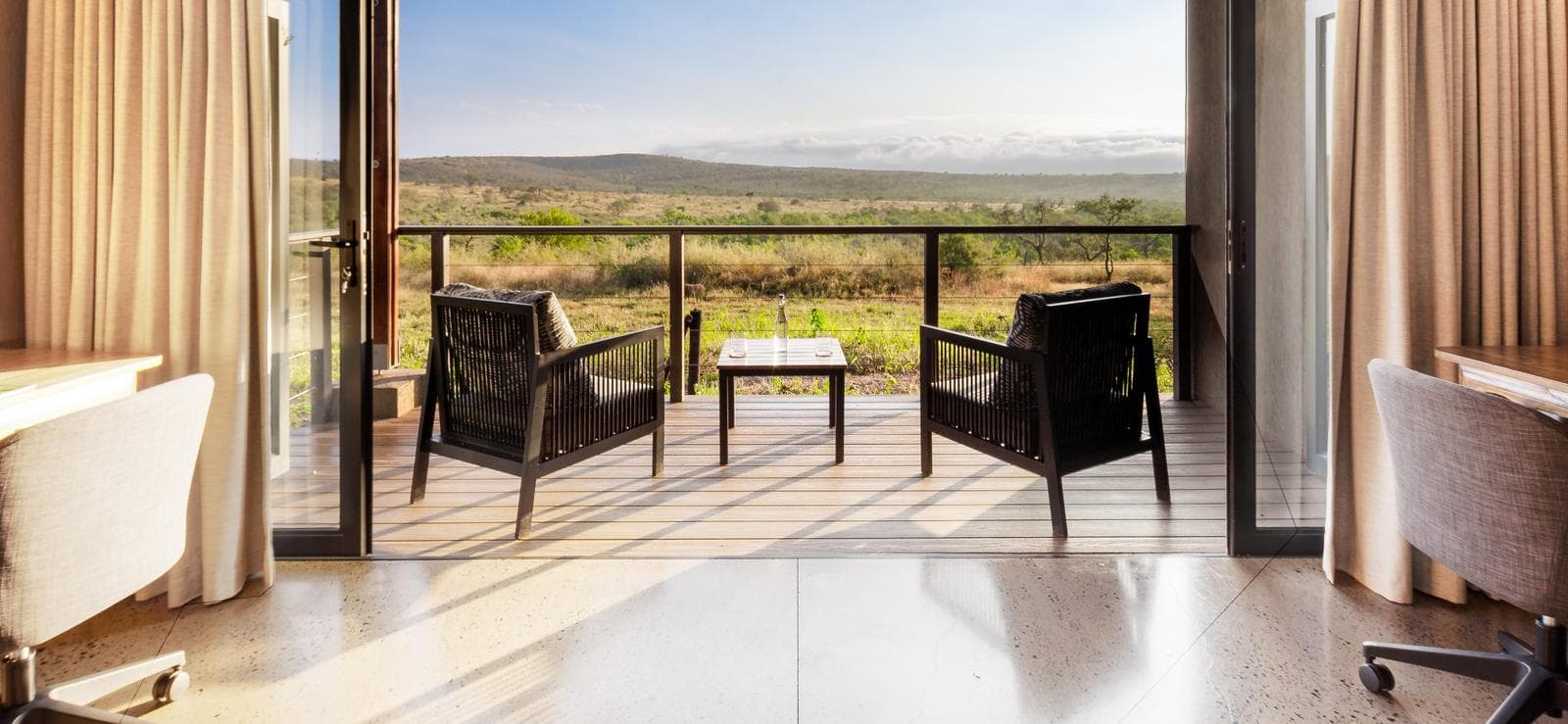
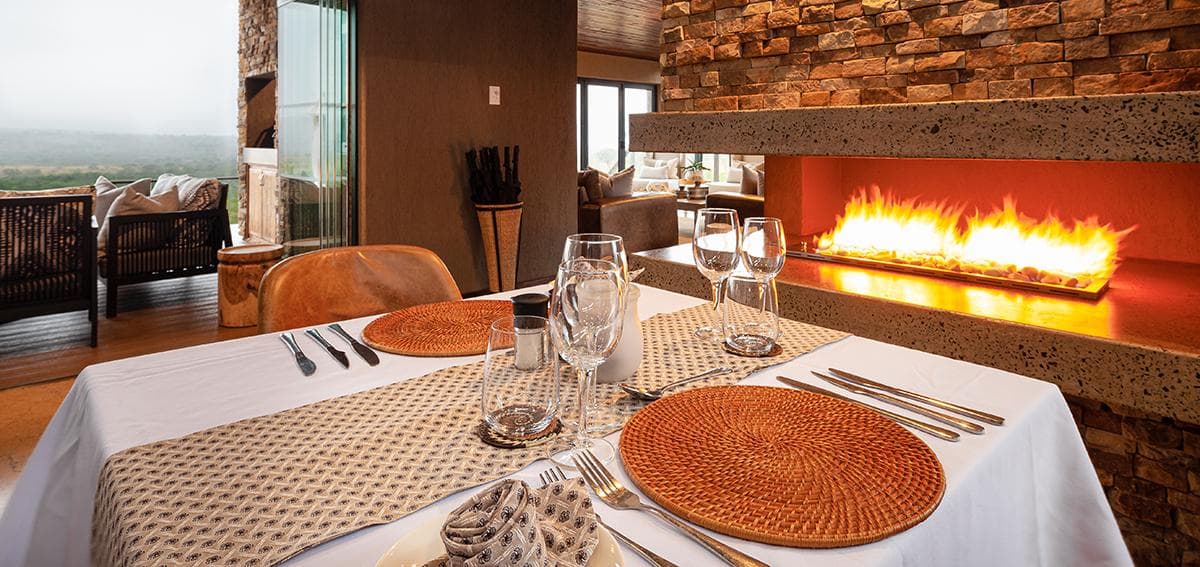
We stay in our own houses. Each house has its own terrace with a view over the reserve. The interior is designed entirely with photographers in mind; there are plenty of power outlets and two work desks in each double house. Since Charl is himself a photographer, he knows what is appreciated, and he has been extremely involved in the design of both the accommodation and the communal areas. Next to the open dining room with a terrace and an impressive view over the reserve there is a projector room, unusually with a first-class projector that does the images justice. Here, during the ten days, we hold one or two smaller workshops, in addition to looking at each other's images.
The reserve today has a number of lions, many white but also the occasional black rhino, cheetahs, leopards, spotted but also the occasional brown hyena, black-backed jackals, serval, wildebeest, a large number of African buffalo, zebras, a multitude of antelope and other mammal species, and of course plenty of warthogs. But the area also has a relatively large group of elephants, just under thirty, and in addition giraffes. Several hundred species of exciting birds visit or breed in the reserve. For the birds there are several hides, from bird baths (which are sometimes also visited by mongooses) to two simple bee-eater hides. And of course one must mention the vulture hide at the top of a hillside, probably the best-suited for photography in all of Africa.
Zimanga offers fantastic photo opportunities of many of the South African mammals. For more than ten years a pack of African wild dogs lived in the reserve, but the hope is to resume, within a year or so, the work of saving this endangered species. During these ten years, Zimanga contributed to at least ten new packs being formed in other reserves and national parks even outside South Africa.
Many of the reserve's animals we can photograph on "classic" game drives; the guides and management, together with the reserve's fourteen armed guards, help keep track of where many animals are, and they help each other. This means that we usually know where to go, though sometimes the choices can instead be difficult.
The hides are located at waterholes with a couple of exceptions. Two of these hides are night hides with artificial lighting. In the night hides there is room for four photographers, and behind the "photography ditch" there is a bed for each person (so you can take turns resting while one or two keep watch). And behind that room there is also a kitchen and a bathroom with a flush toilet. The night hides of course have electricity; in the kitchens there is a microwave so you can heat up the food, a kettle, a fridge and whatever you might need. The waterholes are visited by everything from warthogs, white rhinos, African buffalo, antelope to lions, leopards, elephants and sometimes also serval and hyena. While it is light, giraffes sometimes come and drink. The photo opportunities that are offered, I usually say, many times correspond to images I might only have dreamed of.
The night hides are also visited by many birds when it is light, in the afternoon and in the morning, and at night by, for example, spotted eagle-owl.
In the lagoon hide we photograph masses of different waders, larger and smaller; it is constantly visited by malachite kingfisher, herons of various kinds and a range of other exciting birds such as water dikkop, white-faced whistling duck, glossy ibis, blacksmith lapwing, greater painted-snipe and hamerkop. In addition, crocodiles that we can thus also photograph from water level.
The hippos and crocodiles largely stay in the reserve's large dam, where the river flows out.
The ten days contain a varied combination of hides and game drives. The jeeps have four rows; each photographer usually has their own row. Off-road driving is permitted throughout the reserve, as long as it does not mean we disturb the animals in a way we don't want to. In some places dense thickets and mud can make it difficult and risky to leave the "road".
Besides our own photographer on site to help anyone who wishes, the guides are themselves very skilled photographers who make sure to position the jeep in the best way in relation to the animals and light. Hendri Venter, for example, is one of South Africa's best safari photographers.
Subject to minor writing/calculation errors and any not-extensive changed conditions.
We take a private reserve takeover just for ourselves. No other photographers crowding for the subjects, and we avoid experiencing a lot of safari vehicles queuing up.
If you're going to travel as far as South Africa, it's a waste to skimp on days. That's why we have a longer trip than others do.
And we have chosen the luxurious, fantastic lodge, for the feeling of a holiday, plenty of space—we stay in our own houses, not in cramped rooms! Yet it doesn't cost more per photo day.
We have chosen August because the middle of July–August is the best time, but also because August means we can more easily photograph the Milky Way at night.
The hides are absolutely world class. They are built so that you photograph both birds and mammals from water or ground level.
Off-road safari is possible everywhere in the reserve, as long as we do not risk disturbing the animals.
Because we are alone in the reserve, at least three hide nights are included for each participant.
When it comes to certain animals we sometimes go on foot; this can apply, for example, to the cheetahs, which we can then photograph from ground level.
Zimanga also has plenty of big game, antelope, wildebeest, buffalo, which is interesting in itself, but it is not uncommon for us to also get to follow hunts where lions or cheetahs try to bring down prey.
From 2024 we can also use Landcruisers where you can lie down and photograph from a low angle. During 2025-2026 further converted jeeps will be added.
The hippos and crocodiles stay in the reserve's large dam, where the river flows out. We get out of the jeeps and photograph from ground level, which essentially becomes water level if you lie down.
The accommodation, like the food, is first class. The lodge with the detached houses is located in the middle of the reserve; it is close to both the hides and the game drives.
The vulture hide holds four photographers and is visited daily by up to twenty to thirty vultures and often also birds of prey. But also by warthog, jackal or spotted hyena, on some days also by porcupine. Unique opportunities to isolate the vultures and the mammals against a softened background far away.
Guides
Brutus Östling
Travel Guide & Photographer
Brutus Östling, born in 1958 in Stockholm, worked for three decades as a book publisher before breaking through as a bird photographer with his debut book Mellan vingspetsarna (Between the Wingtips) (2005). Since then, he has p...
Read more about BrutusAgneta Östling
Administration
Agneta Östling is responsible for administration and finance within the company and is also a shareholder. She is an important part of the team around Brutus Östling, contributing both structure and experience behind the scenes...
Read more about AgnetaCatharina Ahlén
Photographer
Price & booking
Clear pricing. Small groups. Focus on the images.
Early bird price
6,295EUR
≈ $7,050 USD
per person · Shared double room
Normally 6,495 EURSave 200 EUR
Valid until 30 November 2026
Booking deposit450 EUR
Travel guarantee included
You’ll get confirmation and next steps by email.
Photo gallery
Itinerary
The trip begins and ends at Durban airport
Day 1
We are picked up in the morning at 8:00 AM at Durban airport, so that we arrive at Zimanga in time both to have a little lunch and to settle into our accommodations. After a short briefing by Brutus Östling and the guides at Zimanga, there will be a safari or hide photography at 3:00–3:30 PM.
Day 2–9
During these days we will alternate between hide photography and game drives, both morning and afternoon. We run one activity in the morning and one in the evening. We follow a set schedule whose purpose is to give all participants the same number of game drives and hide photography sessions. During one or a couple of the days, Brutus Östling will hold a small photo workshop, and of course we will look at each other's images a bit into the trip. But the idea is that between the morning and afternoon activities you can either enjoy a little luxurious vacation or find time to process your images, for those who wish to do so.
Day 10
Morning safari/hide session, followed by brunch. Then we are picked up and driven to Durban airport.
Included in the price
- Accommodation in Zimanga's luxurious houses/rooms,
- Shared house/apartment, game drives and access to hide according to a schedule
- All meals included as well as alcoholic beverages
Not included
- Round-trip flights to Durban
- Cancellation protection and travel insurance
South Africa
About South Africa
Everything about photographing wildlife in Zimanga Private Game Reserve, South Africa. World-leading photo hides, safari vehicles with low-angle platforms and Big Five.
Highlights
photo hides, Big Five, vultures, night photography
Best time
May, Jun, Jul, Aug, Sep
Difficulty
Easy
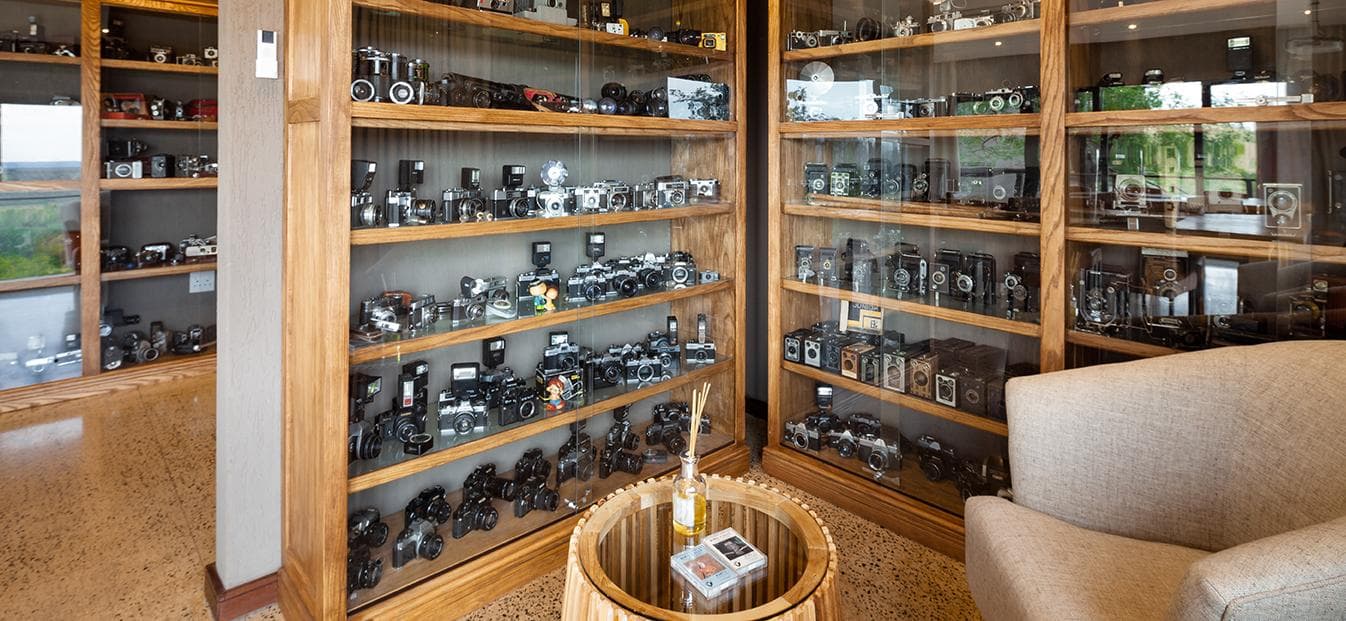
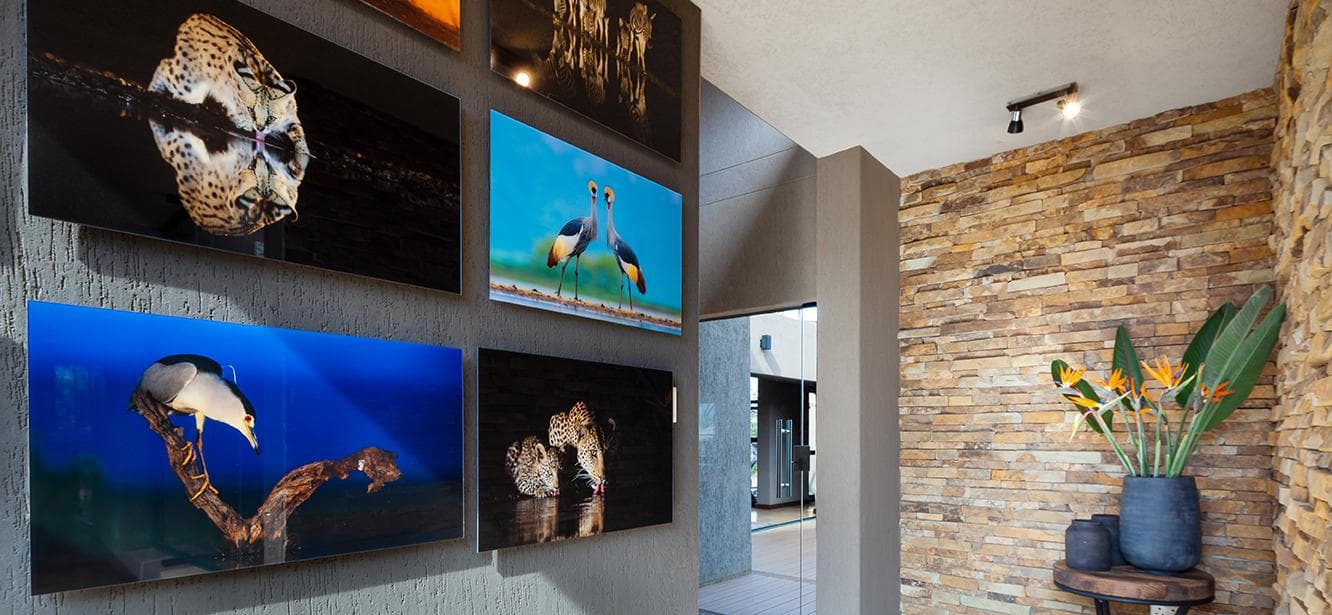
Your luxury accommodation at Zimanga
Think luxury resort rather than classic safari lodge – and yes, we have booked the entire lodge exclusively for our group.
Practical information
Regular price: 71,700 SEK / 6600 EURO
Early-booking price 2: 65,800 SEK. 6200 EURO
Valid until 30 November 2026
Booking deposit: 5,000 SEK / 500 EURO
Number of participants
Min 14 / Max 18
Included in the price
Accommodation in Zimanga's luxurious houses/rooms, all meals included as well as non-alcoholic beverages, transfer from Durban airport to Zimanga and back.
Shared house/apartment, game drives and access to hide according to a schedule.
Accommodation
The accommodation and food are of a more luxurious kind. At the same time, there is a very relaxed atmosphere at the lodge.
Not included in the price
Round-trip flights to Durban, South Africa, tips, insurance and other things of a personal nature. Cancellation protection and travel insurance.
Tips for local field guides and the lodge's service staff (nowadays it is customary to give 12-15 euros per day to the guide(s); for the service staff it varies, but we usually recommend at least 10 euros per day).
Single supplement (subject to availability)
7,000 SEK / 650 EUR=
Additional travel conditions for this trip:
Our Swedish price is calculated based on at least 14 participants and a euro exchange rate of 10.80 SEK. See also below.
With fewer than 14 participants, the price must be increased, based on Zimanga's increase per participant.
Start and end of the trip
The trip begins and ends at Durban airport, exact time will be announced later.
Camera equipment
Since we will be photographing many different types of subjects, everything from landscapes with and without animals to portraits of mammals and birds, it is advisable to bring everything from a wide-angle lens (for example equivalent to 24 mm on a standard zoom) to longer telephoto lenses. On safari with a jeep and on foot, lenses such as an 80/100-400 mm or 100/200–500 mm zoom are excellent. A 70-200 mm zoom should be supplemented with a longer focal length or a 2x teleconverter. To increase the focal length, you should use a teleconverter in certain situations. A camera body with a crop format apparently turns 400 mm into 600 or 640 mm. With a full-frame body, you should bring a 1.4x converter if the longest lens has a focal length of 400 mm.
In the hides we use everything from a 16 mm wide-angle to 400–600 mm (full frame). The animals are often just three meters away from us. And most of the time a 24–105 mm zoom works excellently, but when it comes to giraffes or elephants, a 16 mm wide-angle (full-frame body) or equivalent is required in some cases.
If you have access to two camera bodies, it is good to bring both and have slightly different focal lengths on the bodies. This is to avoid having to change lenses if it is very dusty. Tripods are available in all hides. A monopod can be useful during our game drives. A simple lightweight tripod can be handy if there is an opportunity for night photography outside the night hides.
Clothing
Winter in South Africa in August is like a more ordinary Swedish summer, 16-25°; in the morning and evening it can get colder, so a warm sweater, long trousers and a jacket are good to have. Ordinary sneakers work most of the time. At the lodge something casual, for example sandals or airy sneakers. Sun protection for the head is important.
Hide clothing
In the hides we should wear black or dark sweaters, if possible with long sleeves. This makes us more invisible, especially to the cats. Thin dark fingered gloves are strongly recommended for wide-angle shots in the night hides, as light-colored fingers are easily visible through the hide glass. A thin so-called balaclava can be used, but fingered gloves for the wide-angle shots are the most important.
Availability
The accommodation, the vehicles and the hides have some limitations regarding availability. The areas we move through for photography may involve reduced availability in the case of impaired mobility. Feel free to call us and ask.
Visa/Passport
Swedish citizens do not need a visa for South Africa. If you are not a Swedish citizen, it is important that you find out which visa rules apply to you. A passport is required at flight check-in.
* Payment terms
The payment terms differ from our general travel conditions. The booking deposit of 5,000 SEK is paid via invoice in connection with registration and is non-refundable upon cancellation. Invoice 2, an installment payment of 7,000, is due on 26 November 2026. If cancellation occurs after 26 November 2026, the first 7,000 and 7,000 respectively that have been paid are not refunded.
Invoice 3 of 13,000 is paid no later than 1 February 2027. This, as well as previously paid amounts, is non-refundable upon cancellation after 1 February 2027.
The remaining amount is paid no later than 26 May 2027.
Please note: If cancellation occurs after 26 May 2027, the traveler is obliged to pay the full price of the trip - even if the final payment is delayed and not paid.
NOTE! We urge everyone to have cancellation protection in the event of illness or similar.
The booking deposit is 5,000 SEK.
Insurance
In cooperation with Europeiska ERV, we offer a complement to your home insurance and a cancellation protection. All to ensure that you are as secure as possible on your trip. [Read more about what the insurance covers as well as
From past travellers
What they brought home
After the trip, our guests share their photos and reflections. Here is a selection from photographers who have travelled with us before.
Photos from travellers' own cameras“Zimanga delivered an unbeatable experience – lying just two meters from a hunting cheetah family with perfect light in golden hour was magical. Best cheetah photography I've done so far!”
Photos from past travellers
A selection of photos guests shared after the trip.
Good to know
Plan early for the best light windows
Early decisions improve flight options, logistics, and access to peak photo opportunities.
See current availability and prices in the booking form above