
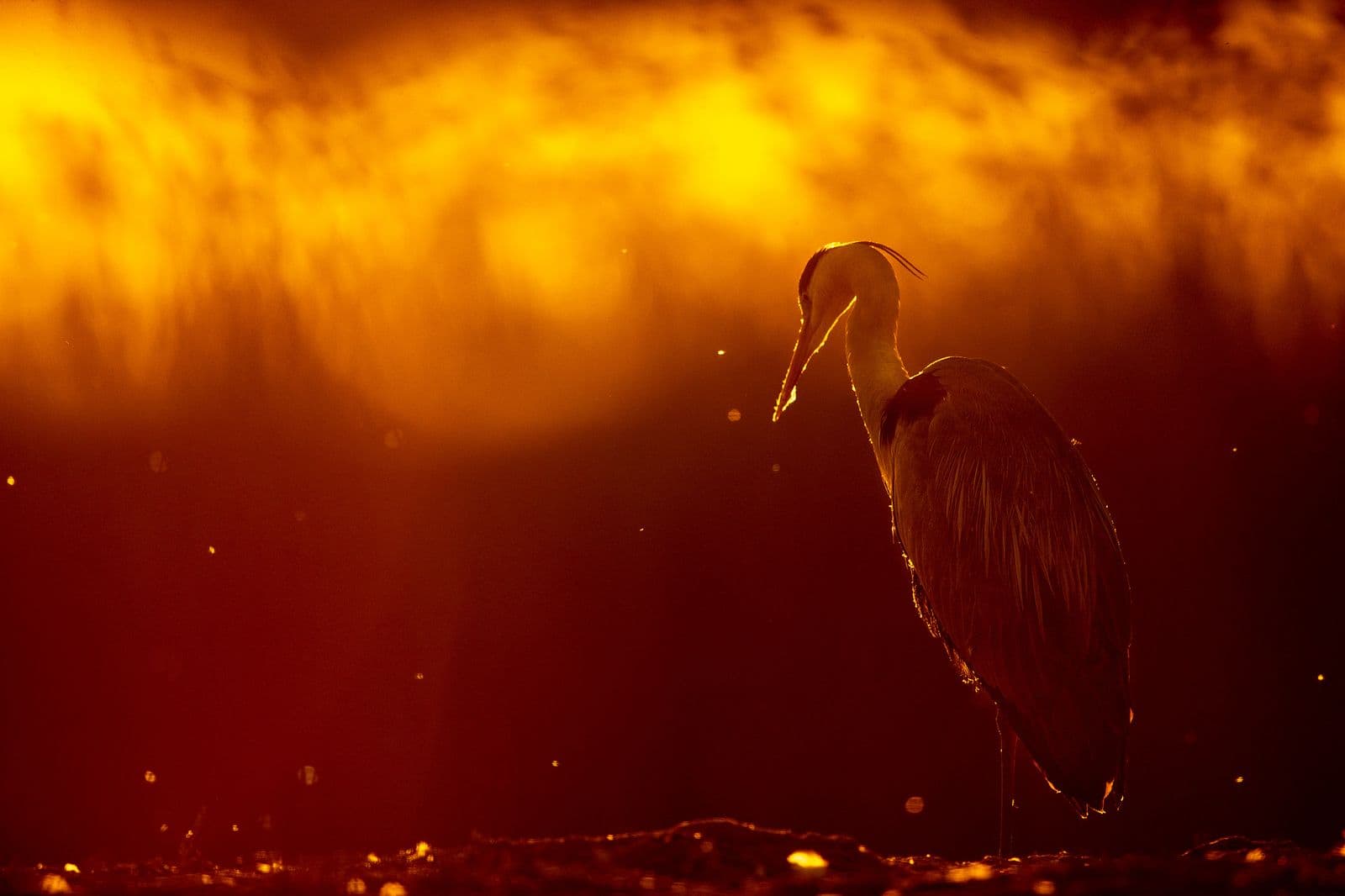
World-class photography opportunities at Bence Máté's farm
Hungary Spring 2027
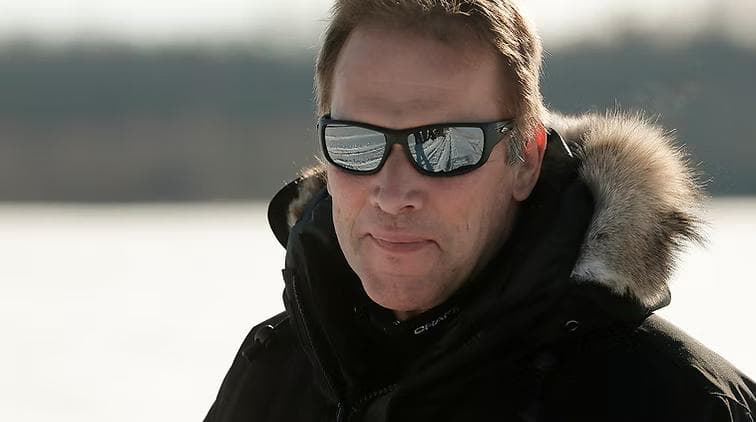
With guideBrutus Östling
Fokus Fotoresor
Trip description
Join Brutus to southern Hungary and photograph from the spectacular hides Bence Máté has created in and around Kiskunsági National Park. Brutus was the first foreign photographer to visit Bence Maté in June 2006. Together, the two traveled around southern Hungary in an old communist-era Lada, setting up tent hides but also photographing from Bence's first five permanent hides. Bence was twenty or twenty-one, but already then he had won prestigious national and international awards. He told us he would renovate a house he had bought (which at the time looked like nothing more than a ruin) and afterwards he would bring photographers there from both Hungary and Europe. Today, Bence Máté is well-known among nature photographers worldwide.
To his system of over twenty permanent hides, photographers now come from all continents. They all want to take advantage of the unique opportunities the hides provide for spectacular images.
Bence's farm and hides are located outside the village of Pusztaszer and lie just north of the border with Serbia. The highway from the airport passes just a couple of kilometers from the farm, an hour and a half drive. Brutus has brought photographers to Hungary from Sweden and our neighboring countries for fourteen years. During this time, the hides have been improved and have become more numerous, as have the species that visit them, and the latest development is that the accommodation buildings have now been significantly expanded. With twenty different hides there is plenty of space, and furthermore the photo opportunities have increased even more during the pandemic, new hides have been added, one cannot utilize all the photo opportunities available during a week, and therefore photographers return, some every year. Moreover, the photo opportunities change during the season.
Bence's hides are unlike anything else. They involve creative and innovative solutions, all with the purpose of making it possible to get unique images of birds and animals that are otherwise difficult to approach without scaring them away. Many have probably sat in hides, but here - and we actually dare to use the cliché because in this context it feels completely right - here the hide technology has been "taken to a new level".
From the hide called "The Theatre", we photograph for example grey herons, great white egrets, night herons but also spoonbills. This early in spring we also photograph diving ducks like red-crested pochard, teal and others. And furthermore, the black stork usually remains at least the first half of May.
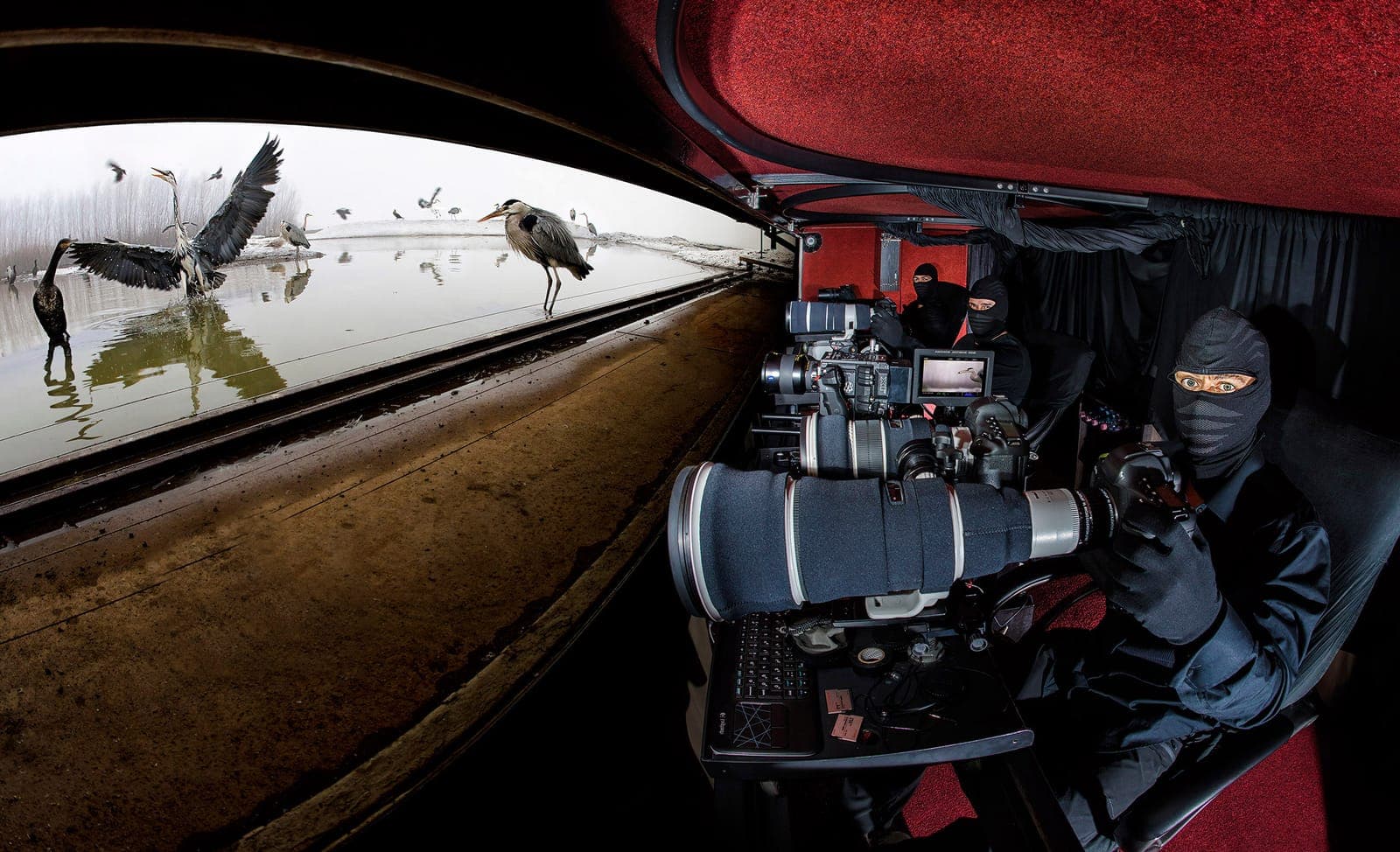
We photograph along the water surface, we ourselves sit below water level in comfortable swivel chairs. Can this really be hides? The tripods are movable and you can easily pan flying birds. "The Cinema" is built in a similar way, we sit comfortably "below" water level and photograph along the water surface. Here the otter is one of the subjects, especially at night when we use fixed spotlights and fixed lighting. At night, for example, the night heron is also active. In the morning light, the bittern - or little bittern, may appear in the opening between the reeds that we utilize. The squacco heron, great white egret, grey heron are usually there too.
A new specialized hide has been built for kingfishers, these beautiful pearls among bird species.
In spring the temperatures are pleasant, 11-12 degrees on cool days but up to 25 at lunchtime. At night it is usually cool, and you sleep well.
Even at Bence's "drinking station" hides we sit below water level. We shoot birds that drink or bathe, here there is often incredible action, ten-fifteen-twenty frames per second is a recommended speed when birds bathe or squabble. The so-called drinking station hides are located in the forest and naturally attract forest birds - many we recognize from home - but also birds of prey like buzzard, sparrowhawk and goshawk.
Birds are mostly in focus, but also fox, roe deer and as mentioned otter usually generate high-class images.
The hides have a glass that took Bence a few years to find, it reflects less in one direction, we become more easily "invisible" inside the black-covered hides, but the quality is so good that the glass allows us to photograph even at 45-degree angles - and sometimes more - with good results. That the hide is dark inside makes the glass become like mirror glass. We can shoot without being seen or disturbing, and we can change openings without it being noticed. Guidelines: dark clothing, preferably black; sometimes it can be good to have long-sleeved shirts, this especially applies if we have backlight. In backlight we are more easily "seen" and we must make ourselves really dark.
When Brutus visited Bence in the 2000s, there were six-seven bee-eater nestings on the "farm", as the property is colloquially called. Six-seven years ago, Bence rescued a hundred ground squirrels from the airport outside Budapest, where they attracted birds of prey (which disturbed air traffic). "Ground squirrels" as they are called in English. Bence wasn't sure how it would go, but now there are at least over 1000 ground squirrels, and three-four years ago two hides were built that make it easier to photograph - or film - these incredibly charismatic animals.
Overall, the hides are fantastic not only for photography but also for filming.
The disadvantage of moving the ground squirrels was - seen from a photographic point of view - that the bee-eaters disappeared from the farm. For a couple of years it was difficult to photograph bee-eaters. But a new location for bee-eaters was found at a riding school a half-hour drive from the farm. And here not only five-six pairs nest but perhaps up to a hundred pairs of bee-eaters, it is probably Hungary's largest colony. It can't get better. It's full action from the beginning of May, already at the end of April there can usually be action. Bee-eaters are fantastic flying hunters. They can catch well over and even more than a hundred insects per day, everything from dragonflies, beautiful butterflies to bumblebees, bees - and in emergencies even ordinary flies will do.
This photo trip to the hides in southern Hungary will give the photographer so many images that it will take some time to go through them. We will sit with the images on location and look at some of them together, but it is unlikely that much of the editing work won't happen after the trip. Sleep is also needed during these intensive days.
We eat a communal dinner outdoors in the evening when it has gotten dark, coffee and breakfast everyone fixes themselves in the kitchen before we head to the hides. Different hides have different wake-up times. Andrea takes care of lunch, who otherwise handles the administrative work. Very good homemade food. Coco, Fanni and Czaba are our guides who help us get to the hides and pick us up at agreed times or if we text or call and want to leave before or after the agreed time. If a goshawk or buzzard settles down in front of our mirror glass to drink or bathe; then you might not want Fanni, Coco or Csaba to come and scare it away.
Do you need pocket money? We have so far never had time to spend any coins outside the farm. But here instead you'll find everything you need.
All photos in the gallery © Brutus Östling
Here we photograph from what are perhaps the world's best photo hides, and the fun thing is that it largely involves the species we also have in Sweden.
Spectacular photo opportunities that get photographers from all over the world to come here.
25 different hides are built so that you comfortably photograph from water or ground level.
Among the forty bird species we usually can photograph during a week: spoonbill, black stork, grey heron, night heron, great white egret, squacco heron, bee-eater, black-winged stilt, kestrel, buzzard, goshawk, sparrowhawk, little owl, eagle owl, red-crested pochard, ferruginous duck and other duck species, water rail, cormorant, pygmy cormorant, woodpecker, green woodpecker, nutcracker, starlings and of course a range of small bird species we know from Sweden plus some more.
Mammal species we usually photograph from the hides: otter, fox, roe deer, hare. Around the farm there are about three thousand ground squirrels, steppe ground squirrels and for these there are several hides within 100 meters distance from where we live. The ground squirrels run more or less around our legs on the farm, the hides are not needed to get close but they are made to give us good opportunities for action and good light and background.
From the water hides we photograph along the water surface which gives fantastic backgrounds to the birds - and mammals.
Several specialized hides for among others herons, bee-eaters and jays.
The hides are located between thirty meters and a couple of kilometers away from Bence's farm where we live (except for the bee-eater hides which are located half an hour away).
Photographing from early morning to late evening, and lots of action.
We decide ourselves how long we want to sit in the hides.
Brutus helps and gives photographic advice and tips. Brutus has experience with several camera systems.
Price
Clear pricing. Small groups. Focus on the images.
Early bird price
2,990 EUR
≈ $3,430 USD
per person
Normally 3,350 EUR
Save 360 EUR
Valid until 30 November 2026
Then 3,100 EUR t.o.m. 31 December 2026
Shared double room
Booking & peace of mind
Booking deposit
400 EUR
Travel guarantee included
Small group with personal guidance
Planned for the right light, place and pace
You’ll get confirmation and next steps by email.
Photo gallery
Itinerary
The trip begins and ends at the airport just outside Budapest.
Day 1
Arrival at Budapest airport midday, we are driven to Bence's farm, check into our rooms, eat something and then straight to the hides for photography. Latest arrival at the airport: 12:20. If arriving later, transport can be arranged, but an additional cost of approximately €170 per transport applies.
Days 2–7
During these days we will split up, we will follow a schedule for the hides. We go out to the photo locations or in the hides both morning and afternoon/evening each day, except arrival and departure days. We can make deviations from the schedule upon request as long as it doesn't conflict with others and the plan that Coco and Csaba set up with us. Since Brutus has been here many times, we can more easily help with driving to different photo locations and hides. This increases flexibility.
Meals are prepared by Andrea, she also handles administration for Bence. She makes really good food and has recently also completed training as a "chef". We fix breakfast ourselves, two refrigerators guarantee there's always something to choose from.
Day 8****fet text
After the hide session we leave Bence's farm at approximately 12:30. We naturally get something to eat first.
Included in the price
- Transport from Budapest airport to Bence's farm and back
- Share in double room, all meals included as well as non-alcoholic drinks
- All hide activities, all guiding and driving on location included
Not included
- Flight to Budapest
- Insurance and other private matters
- Alcoholic beverages
- Tips for the guides
- Don't forget cancellation protection
Hungary
About Hungary
Photograph bee-eaters, rollers and raptors from specially built hides in the Hungarian puszta.
Highlights
bee-eaters, European roller, raptors, hides
Best time
Mar, Apr, May, Sep, Oct
Difficulty
Easy
Practical information
Dates
23 - 30 May 2026 (eight days, seven nights)
Early booking price until 31 August 2025: 32,900 SEK
Early booking price 1 September - 25 November 2025: 33,900 SEK
(Registration fee 6,000 SEK, see below)*
Regular price: 36,900 SEK
Tour leader/photo leader
Brutus Östling
Number of participating photographers
Minimum 13
With fewer participants, a smaller surcharge applies, see below.
Included in the price
Transport from Budapest airport to Bence's farm and back. Share in double room, all meals included as well as non-alcoholic drinks.
All hide activities, all guiding and driving on location included.
Accommodation
We stay in a lodge, also called "the farm", the accommodation is middle-class in character, since this is also Bence's home everything is surrounded by an unusually familiar feeling. During the pandemic the accommodation has been made larger, with more rooms. For single room supplement, accommodation is included in the new lodge with much more space, private bathroom etc.
Not included in the price
Flight to and from Budapest. Insurance and other private matters. Alcoholic beverages. Tips for the guides. Don't forget cancellation protection.
Single room, newly built lodge of higher class, private bathroom, floor heated rooms
Supplement 4,900 SEK. (Availability is limited, contact us.)
**The upper floor has two rooms with one shared bathroom, **but with only one other guest, and this only if all rooms are taken, this never becomes a problem since we get up at different times, but the price for these rooms is 4,300 SEK - Bence's administrator handles room allocation
Single room supplement in old lodge, toilet/bathroom/shower outside the room, shared with several:
700 SEK
Standard is share in double room, toilet/bathroom in the hall
Camera equipment
Since we will primarily photograph birds and animals, telephoto lenses or telezooms are mainly applicable. A zoom of 80/100-400 mm or 100-500/600 mm are excellent. A 70-200 mm zoom is good for "The Cinema", when we photograph otters. To increase focal length, teleconverters can be used in certain situations. A camera body with crop format transforms a 400 mm to 600 or 640 mm, regarding perspective. With a full-format body, you should also bring a 1.4x converter if the longest lens has a focal length of 400 mm. Since there is some night photography and action, it's always good if some telephoto lens has good aperture, f/2.8 or f/4 for example. If you have access to two camera bodies, it's good to bring both and have slightly different focal lengths on the bodies. This is to avoid having to change lenses. In all hides there are suspension devices or tripods for cameras. In both The Theater and The Cinema, you can hang two camera bodies with lenses simultaneously.
A normal zoom equivalent to 24 or 28 mm on the wide-angle side is good to have, because sometimes we or rather the birds come close. In the hides we are "invisible". A wide-angle zoom is not absolutely necessary, but good if we get the opportunity to photograph landscapes or night sky. Tripods should be brought, some hides have them.
Clothing
Temperature varies, cool at night, during the day between 10-12 degrees to 25 degrees. In some places it can be good with proper boots. However, boots in different sizes are usually available to borrow. Inside The Theater and Cinema, shoes are forbidden, but you can bring some warming indoor shoes/slippers.
Hide clothing
In the hides we should wear black or dark shirts, in backlight with long sleeves. This makes us more invisible to the birds, particularly sensitive with birds of prey. Thin dark finger gloves are good.
Accessibility
The hides have limitations regarding accessibility for mobility impairments. But much can be solved. Get in touch in good time and ask.
Visa/Passport
Swedish citizens need a passport. Passport is required for flight check-in. In these times everyone must keep track of special rules, and we will naturally check everything extra carefully and inform as much as we can.
*Payment terms
Payment terms deviate from our general travel terms.
The registration fee is 6,000 SEK.
By 26 November 2025 an additional 6,000 is paid, the remainder is paid 60 days before the trip begins.
With later cancellation than 60 days before the workshop, the full price is charged even if everything hasn't been paid on time.
With later cancellation than 26 November, Fokus retains both the booking fee and the 6,000 paid by 26 November. If payment is late but cancellation after 26 November occurs, Fokus has the right to demand the delayed payment on the overdue payment.
If we become fewer than 13 participants we must charge 1,000 SEK extra for the trip.
If we become fewer than 11 participants we must charge 1,600 SEK extra for the trip.
If we become fewer than 9 participants Fokus must charge 2,100 SEK extra for the trip.
If we become fewer than 7 participants Fokus must charge 2,700 SEK extra for the trip.
Applies regardless of which price was booked.
Our price is calculated based on a euro rate of 10.90 SEK (8 March 2025).
Insurance
In cooperation with Europeiska ERV we offer a complement to your home insurance and cancellation protection. All so that you should be as secure as possible on your trip. [Read more about what the insurance covers and
From past travellers
What they brought home
After the trip, our guests share their photos and reflections. Here is a selection from photographers who have travelled with us before.
“This was my first trip with Fokus Photo Tours and it truly exceeded my expectations. The trip was fantastically well-planned, and despite being fifteen participants, we got the most out of the experience thanks to mostly being just two people in each hide. I got the images I had wished for – and so much more besides!”
Good to know
Popular signature expedition
This is one of our most requested tours among wildlife photographers.
See current availability and prices in the booking form above