
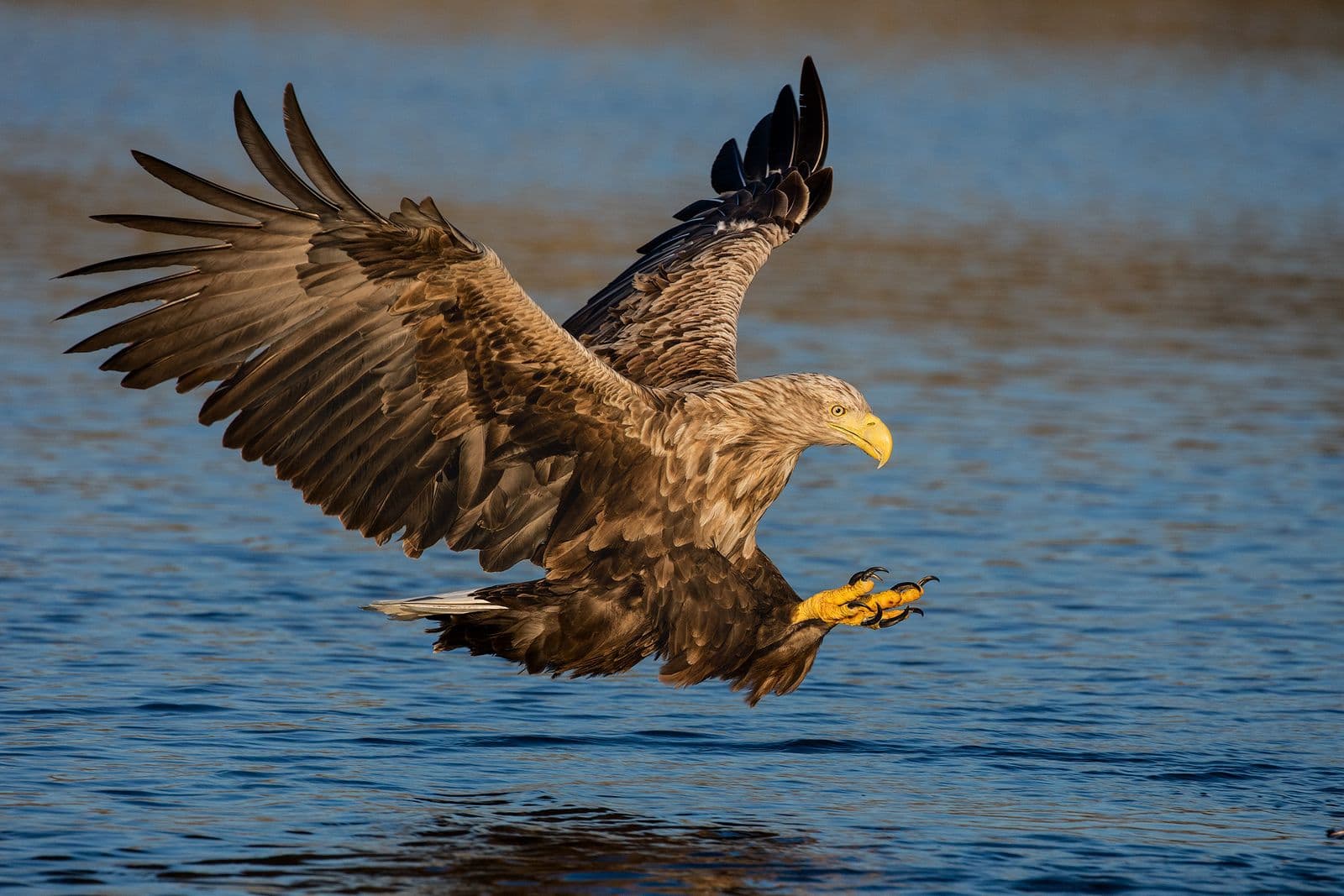
White-tailed eagle photography of absolute world class in Norway
The Realm of Eagles
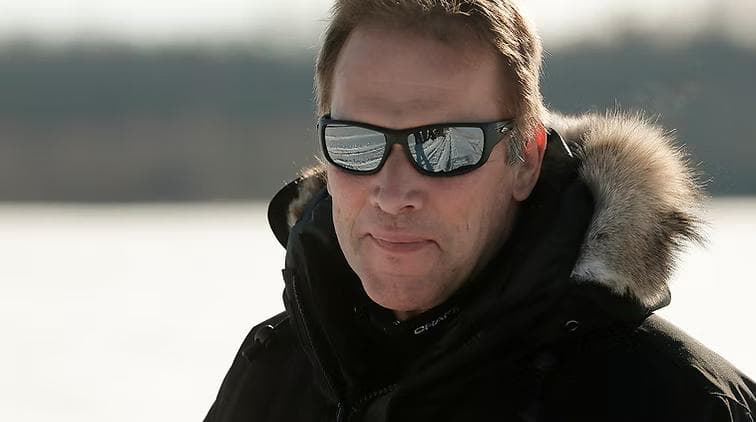
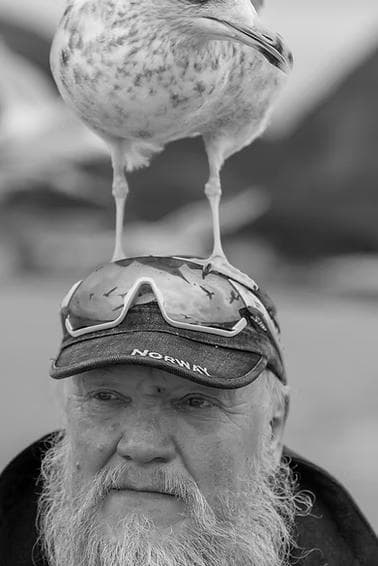
With guidesBrutus Östling, Ole-Martin Dahlé
Fokus Fotoresor
Trip description
"FISH IS OUT, EAGLE IS COMING" shouts Ole Martin Dahle from his position at the helm. Ole Martin operates the boat with a practiced hand, he knows where the eagles are, he checks the wind direction and after throwing the fish he positions the boat so that we get the eagle either from the side, diagonally from the front or in the best case almost straight from the front. Everything depends on the circumstances: the direction and strength of the wind and the position of the sun but also on which eagle it concerns.
In Ole Martin Dahle's eagle kingdom in Nord-Trøndelag it's about more than a hundred eagles, if you count the younger ones too. About thirty breeding pairs lie within the boat's reach. We are at a great distance from the nesting sites but the white-tailed eagles recognize the boat and Ole Martin. It's usually enough that we approach a territory and the eagles "know" that now there will be extra fish, and at this time the eagle pairs need to feed their young often.
When Brutus first visited Ole Martin in 2003 he only had three photographers there for the entire summer. Brutus visited him for a week, and they went out morning and evening. A successful day meant seven dives, something that then felt absolutely fantastic. Between dives Ole Martin and Brutus fished up additional "eagle fish" in a Norwegian sea that is still alive, especially compared to what we Swedes are used to.
Today there are even more white-tailed eagle breeding pairs, and on a really good day we're talking about ten times as many dives, that is seventy dives.
Over the years Ole Martin has refined his photographic skills and his homemade technique. Regardless of which direction the eagle comes from, Ole Martin always ensures that we "shoot" on the left side of the boat. We never need to hesitate, when the eagle approaches the boat will be positioned with the port side toward the direction where the eagle will make its dive to take the fish. The photographers can concentrate on getting the shots.
We can have special wishes, we want backlight or frontlight. Often it's possible to arrange for a few dives but wind and sun direction determine what's possible at each occasion (and we only want to take pictures of the dive and eagle catch from behind in exceptional cases).
The white-tailed eagles are the center of attention, but we also spend time with approachable and hyperfast Arctic skuas and during breaks we do "creative" photography with "gulls", gull and tern birds. Great black-backed gulls and herring gulls are most common, but there are usually quite a few both lesser black-backed gulls and kittiwakes.
We run two tours, morning and evening. We have three full days with opportunities for fantastic images that we may have only dreamed of before.
We're out for up to four hours at a time, morning and evening. Since the days are long – it doesn't get dark at this time of year – there are many free hours in the middle of the day. Boat trips can be varied with photography from a newly built hide where birds drink and bathe and in the best case a sparrowhawk or stock dove comes down.
And if you're a beginner, don't worry, you can shoot away 95-97% of the images and you'll still come home with pictures you may never have thought you'd get.
Six trips in Ole Martin's specially built aluminum boat for this purpose, unless the weather makes it impossible. We go out in the morning and after dinner. Here the sun doesn't set until around 11 PM and it never gets really dark. Even in bad weather it's usually possible to reschedule the times so we get the maximum out of it.
We stay in Ørnehuset, a modern, airy and comfortable house next to one of the fjords down on Ole Martin's land. Here we cook certain meals ourselves, arrange "breakfast packages" or we visit the village restaurant Zanzibar where Pål, the owner, sneaks around.
Photograph white-tailed eagles in action in an environment that is absolutely wonderful. When you get out between the islands or into the fjords between the mighty mountains it's about wilderness, or wilderness sea.
Innumerable opportunities for action shots you may not even have dreamed of being able to get.
During breaks between eagle dives we do a lot of creative photography with "gulls", tern and gull birds.
Now it's the photography that's the focus, but it's fundamentally about a nature experience of the highest rank.
Six trips in Ole Martin's specially built aluminum boat for this purpose, unless the weather makes it impossible. We go out in the morning and after dinner. Here the sun doesn't set until around 11 PM and it never gets really dark. Even in bad weather it's usually possible to reschedule the times so we get the maximum out of it.
Ole Martin Dahle knows most of the different eagle individuals and every corner of the archipelago. And he knows exactly how to position the boat so that we get both the best light and the most action opportunities. Each participant can fully concentrate on just getting the shots.
Brutus has been here sixty-seventy times and helps with tips and advice.
Guides
Brutus Östling
Travel Guide & Photographer
Brutus Östling, born in 1958 in Stockholm, worked for three decades as a book publisher before breaking through as a bird photographer with his debut book Mellan vingspetsarna (Between the Wingtips) (2005). Since then, he has p...
Read more about BrutusOle-Martin Dahlé
Guide
Ole Martin Dahle, better known as “Eagle Man,” is our local guide in Flatanger. For more than twenty years, he has built up a unique bond of trust with the local whitetailed eagles, allowing them today to come remarkably close...
Read more about Ole-MartinPhoto gallery
Itinerary
The workshop/trip begins and ends in Lauvsnes, Nord-Trøndelag.
Day 1
Arrival to Ole Martin, by 5 PM at the latest. The first evening we eat together and Brutus has a review of photo technique before the photography.
Day 2–3–4
During these days we run two photo tours on the sea, in the morning and in the evening for the best light. In between rest, photo and image review with Dennis or Brutus or perhaps photography from the new water hide. In bad weather the eagle photography on the boat can be exchanged for hide photography. But we can also reschedule to a longer tour, if the weather is better, than two tours.
Day 5
After breakfast we travel home.
Included in the price
- Share in double room
- Photo instruction and help from the photo guides
- Six boat trips (as long as weather permits) and local transportation included
Not included
- Travel to and from Lauvsnes
- Meals etc.
- Pickup at Steinkjer station can be arranged for a certain cost, from the airport there's an express train every hour to Steinkjer, about one hour
Norway
About Norway
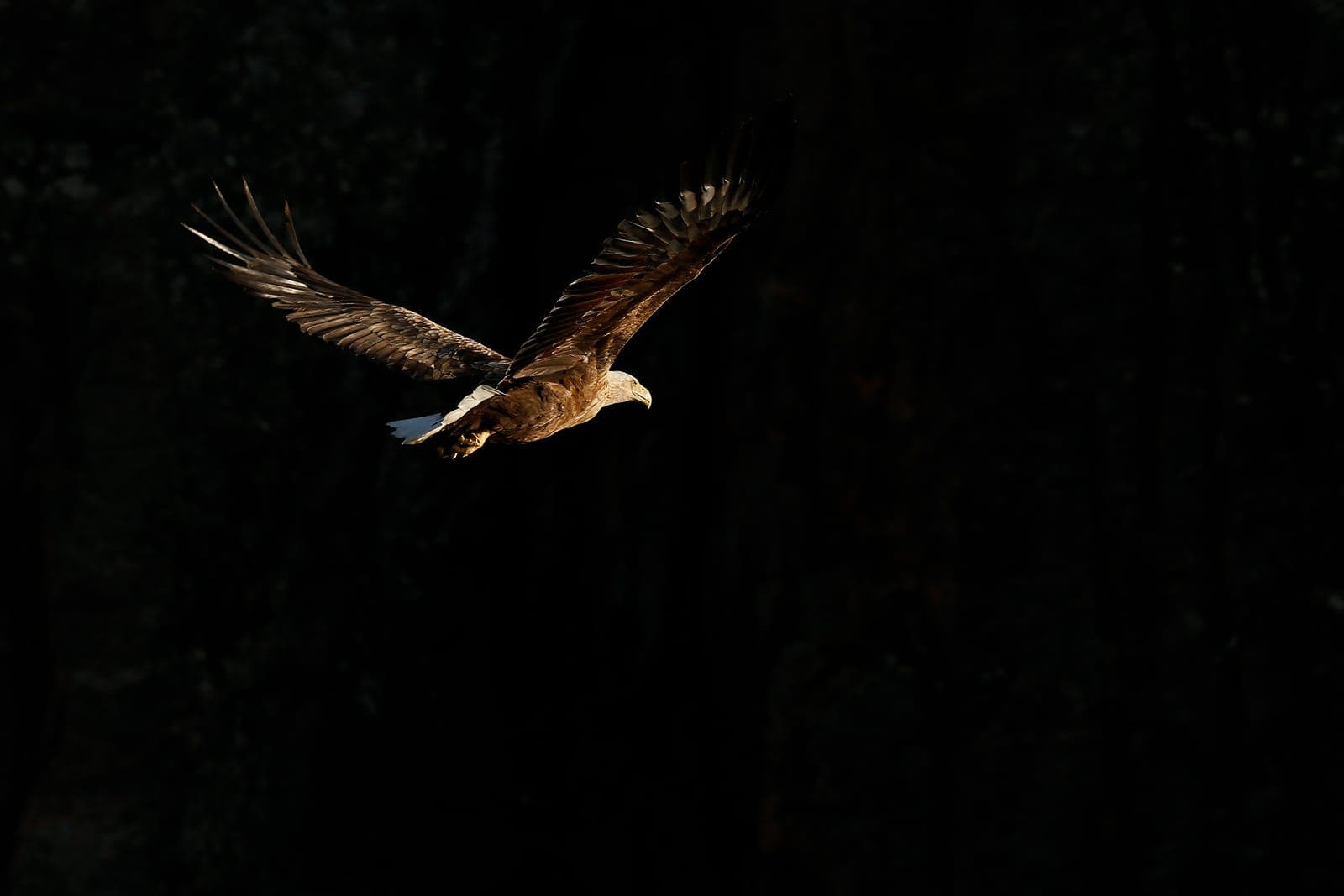
Photograph Norway's dramatic nature with sea eagles in Lofoten, moose in the forests, and northern lights over the fjords.
Highlights
white-tailed eagle, moose, Nordic light, fjord landscapes
Best time
Jan, Feb, Jun, Jul, Aug, Sep, Oct
Difficulty
Moderate
Good to know
High demand right now
Several departures are already fully booked or close to full. Book early to secure your preferred dates.
See current availability and prices in the booking form above