
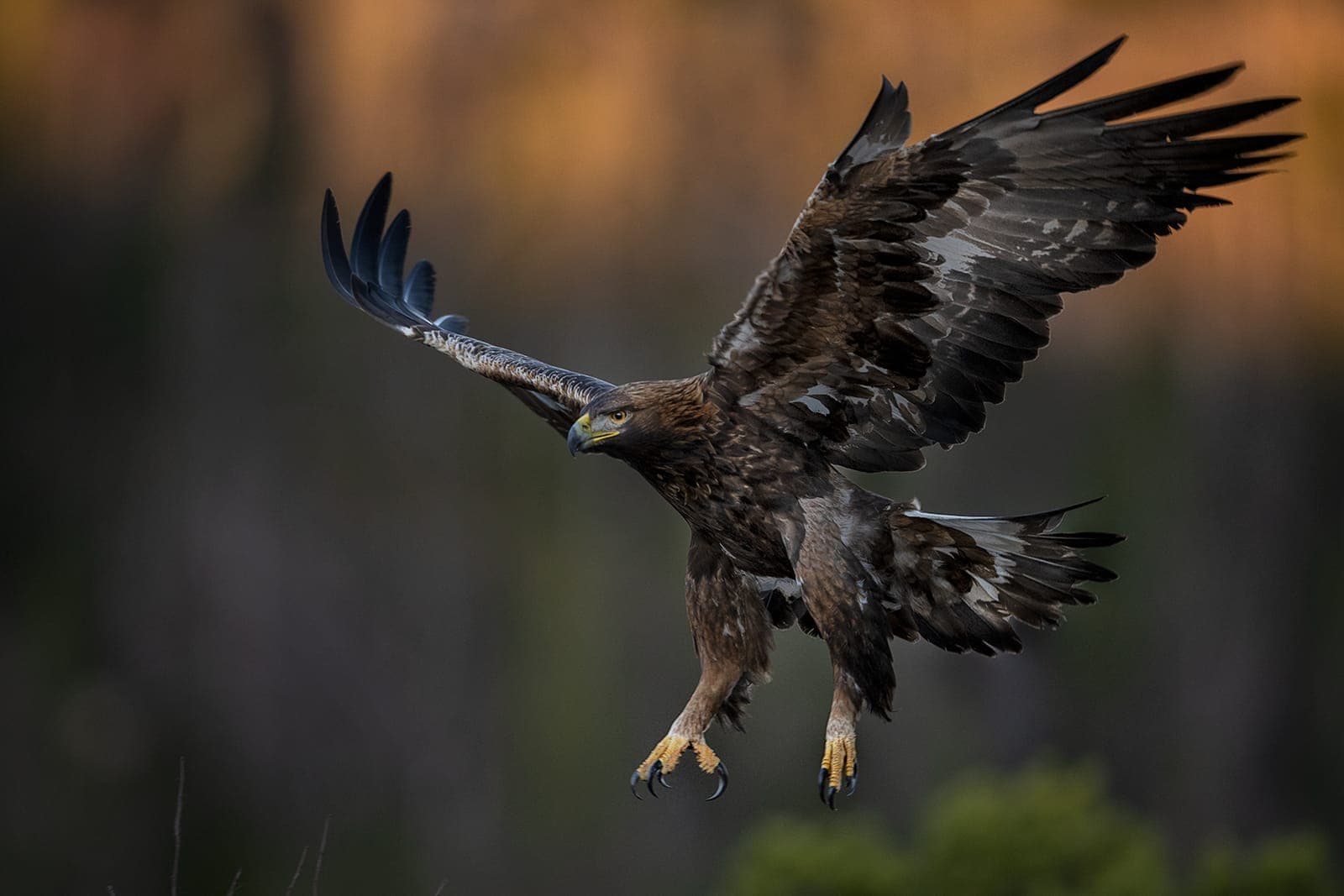
Sea eagles and golden eagles represent the apex of Scandinavia's raptor hierarchy. Photographing these majestic birds requires proper technique, patience, and knowledge of where and when they are most active. Here we guide you through the best locations and technical tips for successful eagle photography.
Flatanger – Europe's Sea Eagle Mecca
The Flatanger area in Trøndelag, Norway, has established itself as one of Europe's premier destinations for sea eagle photography. This spectacular coastal landscape hosts one of Norway's densest populations of sea eagles, with over 20 pairs breeding in the area.
What makes Flatanger so special is the combination of nutrient-rich coastline, sheltered bays, and a well-habituated population of eagles that are accustomed to boat traffic. Here you can often get within 50-100 meters of active eagles without disturbing their natural behavior.
Other Excellent Locations in Scandinavia
Norway:
- Lofoten: Spectacular backdrop of dramatic mountains and sea
- Helgeland Coast: Dense eagle population and beautiful archipelago environments
- Varanger: Opportunity to photograph both sea eagles and golden eagles
Sweden:
- West Coast: Particularly the area around Bohuslän
- Stockholm Archipelago: Growing sea eagle population
- Lapland: Primarily for golden eagle photography
The Optimal Season – Winter's Drama
The winter months, especially November to February, offer the best conditions for eagle photography for several reasons:
Activity Level: Eagles are more active during daylight hours when light is available, providing more photography opportunities.
Light Conditions: The low winter light creates dramatic moods with warm tones and long shadows that enhance the impressive silhouettes of the birds.
Behavior: During winter, eagles often gather at open water areas and fish sources, making them more predictable to find and photograph.
Background: Snow-covered landscapes provide clean, high-contrast backgrounds that make eagles stand out.
Technical Equipment for Eagle Photography
Telephoto Lenses Are Key
For successful eagle photography, a telephoto lens in the 200-600mm class is minimum. Many professional wildlife photographers prefer 400-800mm to maintain respectful distance while filling the frame.
Recommended Focal Lengths:
- 200-600mm: Good all-around option
- 400-800mm: Optimal for detailed portraits
- 1.4x or 2x teleconverters can extend reach
Stability in Winter Conditions
A robust monopod is invaluable when photographing from boats or standing for long periods waiting for the perfect shot. Carbon fiber is preferred for its light weight and stability.
Battery Management in Cold
Winter cold is hard on camera batteries. Always bring at least two spare batteries and store them warm against your body. Many photographers use battery grips for extended operation time.
Technical Settings for Flying Eagles
Shutter Speeds for Sharp Images
To freeze eagles' powerful wingbeats requires fast shutter speeds. A basic rule is minimum 1/2000 second, but for best results 1/3200 second or faster is recommended.
Shutter Speed Guide:
- Perched eagle: 1/500 second
- Slow flight: 1/1000 second
- Fast flight/attack: 1/3200+ second
Autofocus for Moving Subjects
Use servo/continuous autofocus (AI Servo/AF-C) to follow eagles' movements. Set the camera to 3D tracking or similar mode that can follow the subject even when it moves in the frame.
AF Settings:
- Continuous autofocus (AI Servo/AF-C)
- 3D tracking or dynamic AF area
- High number of AF points activated
- Back-button focus for quick reaction
Exposure for Varying Light Conditions
Winter light can be highly variable. Pre-set exposure modes save valuable time when action is intense:
- M mode: Full control for constant light conditions
- Av mode: Quick adjustments when light changes
- Exposure compensation: Important for white backgrounds (snow)
Ethical Aspects and Disturbance Minimization
Respect for the birds always comes first. Maintain at least 50 meters distance from breeding pairs and avoid persistently following individual birds. Use telephoto lenses to maintain distance while getting close-up images.
Ethical Guidelines:
- Respect breeding areas (March-July)
- Use boats or concealed positions
- Avoid attracting with food
- Never photograph at the expense of bird welfare
FocusRAW – Expert-Led Eagle Adventures
FocusRAW arranges specialized photo tours to northern Norway's best eagle areas during winter months. Our experienced photo guides know the birds' behaviors and optimal photography locations, maximizing your chances for exceptional images.
Our Winter in Eagle Kingdom and Realm of Eagles tours take you to Flatanger and other world-class destinations where you can photograph sea eagles in their natural environment under optimal winter conditions.
Conclusion
Successful eagle photography in Scandinavia is about combining the right place, right time, and right technique. The Flatanger area offers world-class opportunities, while winter months provide the dramatic light conditions that elevate your images from good to extraordinary.
With proper equipment, technical knowledge, and respect for nature, you can capture images of these magnificent birds of prey that will impress and inspire for years to come.
Enjoying what you read?
Subscribe to our newsletter for more photo tips and travel inspiration.
Related photo tours
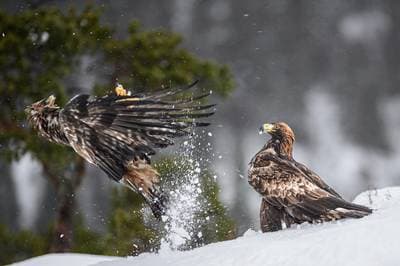
Winter in the Eagle Kingdom
There were so many who wanted to take the last chance so we have agreed with Ole Martin to run one more group.
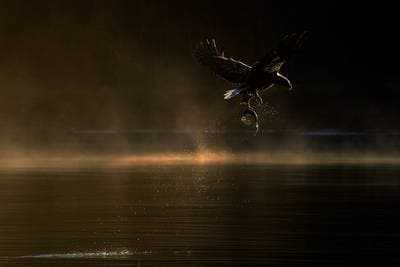
The Realm of Eagles - Autumn Colors
Brutus has run two-day workshops with Ole Martin several times in autumn. Now we're doing three full days on the boat and four overnight stays.
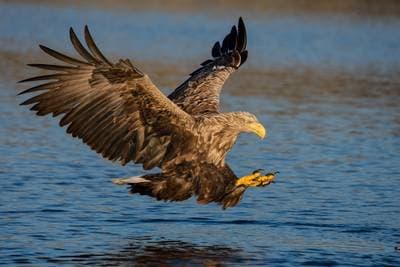
The Realm of Eagles
"FISH IS OUT, EAGLE IS COMING" shouts Ole Martin Dahle from his position at the helm.